 By admin
 Baking Soda for Skincare: Unpacking its Use as a DIY Exfoliant
Many individuals seek solutions for common skin concerns such as uneven skin tone, the increasing prominence of fine lines, and under-eye shadows that contribute to a tired appearance. These widespread issues often lead people to explore simple, at-home remedies using everyday kitchen ingredients. Among these, baking soda (sodium bicarbonate), a common pantry item, has garnered attention for its perceived potential as a gentle exfoliant in natural skincare routines. However, a crucial point to remember is that while some users report positive outcomes from DIY methods, skincare experts consistently advise caution due to baking soda’s significantly high pH level and its abrasive texture.
Could a ubiquitous household item truly offer a mild exfoliating boost to your regimen? This comprehensive guide will delve into how baking soda is sometimes utilized for skin, the limited scientific insights available, its potential drawbacks, and, most importantly, safer and more effective approaches to enhancing skin texture and radiance. Stay with us until the end for practical advice and alternative solutions that are widely considered more reliable by dermatologists.
Why Baking Soda Attracts Attention for Skin Concerns
Baking soda, or sodium bicarbonate, is inherently alkaline, typically possessing a pH around 9. This stands in stark contrast to healthy skin, which maintains a naturally mildly acidic pH between 4.5 and 5.5. This pH disparity is often why it’s incorporated into homemade pastes or scrubs, with the aim of achieving a rapid ‘polish.’ Some users suggest that occasional, careful application helps to slough off dead skin cells, which can impart a temporarily smoother and more uniform complexion. General research into exfoliation indicates that removing surface buildup can indeed reveal fresher-looking skin and facilitate better absorption of subsequent skincare products.
However, it is vital to note that dermatologists frequently highlight the scarcity of robust scientific evidence specifically supporting baking soda’s efficacy in improving issues like dark spots (hyperpigmentation), fine lines, or under-eye darkness. While some studies and reviews mention its use in certain highly diluted forms for other dermatological conditions, direct topical application on the face carries inherent risks, particularly concerning the disruption of the skin’s natural protective barrier.
But that’s not the complete picture. Let’s thoroughly examine the perceived advantages and the very real concerns associated with using baking soda on your skin.
Perceived Benefits of Baking Soda as an Exfoliant
For those who advocate for its use, baking soda offers a few theoretical benefits:
- Gentle Physical Exfoliation: The fine, granular particles are thought to help buff away dull, superficial skin layers, potentially leading to a brighter appearance in the short term.
- Oil Absorption: For individuals with oily skin types, baking soda might temporarily absorb excess oil, contributing to a mattified look and reduced shine.
- Cost-Effectiveness and Availability: Being inexpensive and readily available in most households makes it an appealing option for occasional, experimental use.
While general studies on exfoliation (not specifically on baking soda) do suggest that the regular, gentle removal of dead skin cells can improve overall skin texture and evenness, it’s crucial to distinguish this from specific claims about baking soda. Some reviews might reference baking soda in highly diluted forms for certain dermatological applications, but these are typically under strict professional guidance and not for general DIY facial use.
Critical Risks and Dermatologists’ Strong Warnings
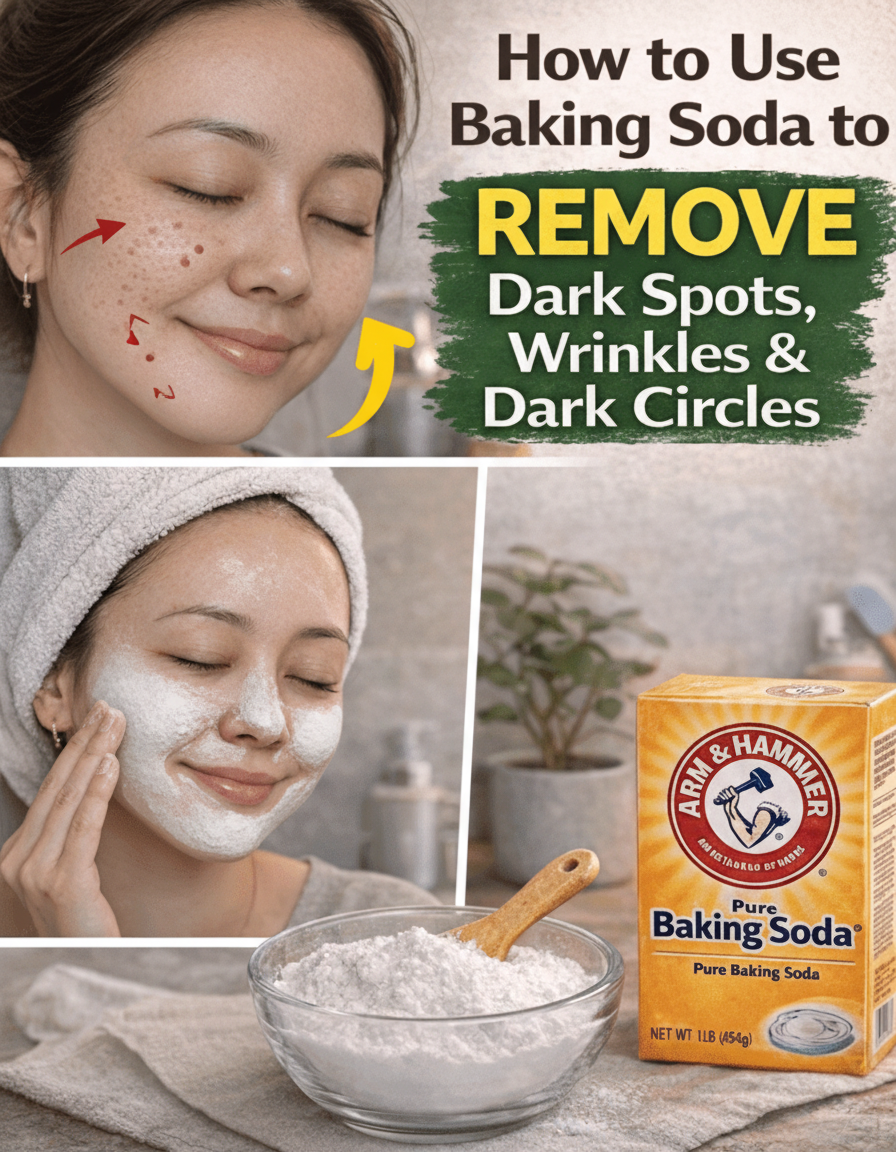
The most significant concern surrounding baking soda’s use on the skin is its pronounced alkalinity, which can severely compromise your skin’s acid mantle. This vital protective layer acts as a barrier, locking in moisture and shielding against environmental irritants and pathogens. Disrupting this delicate balance can lead to a cascade of negative effects:
- Barrier Damage & Irritation: It may result in dryness, redness, increased sensitivity, and paradoxically, could even worsen uneven skin tone over time by triggering irritation.
- Micro-Tears: The abrasive texture of baking soda particles can create microscopic tears in the skin, particularly on delicate areas such as around the eyes, making the skin more vulnerable.
- Worsened Hyperpigmentation: Far from helping dark spots, repeated irritation from baking soda can actually stimulate melanin production, thereby aggravating hyperpigmentation.
- Unsuitable for Vulnerable Skin: Experts emphatically warn against its use on sensitive, dry, or compromised skin (e.g., broken skin, eczema, rosacea), as it can cause significant irritation or irreversible barrier damage.
Many board-certified dermatologists strongly advise against the regular facial application of baking soda pastes, instead advocating for gentler, pH-balanced skincare alternatives. There is a distinct lack of high-quality scientific evidence to support its claims for improving dark spots, wrinkles, or under-eye circles, and numerous reports highlight potential harm resulting from its overuse.
How Some People Incorporate Baking Soda (With Extreme Precautions)
If, despite the warnings, you are still curious about trying baking soda very sparingly, here is a basic, highly cautious approach often discussed in online forums. However, it is imperative to always perform a patch test first and proceed with extreme care:
- Begin with a Small Amount: Mix approximately 1 teaspoon of baking soda with just enough water (or a gentle carrier like honey or a mild oil) to form a thin, workable paste.
- Apply with Utmost Gentleness: Using only your fingertips, very lightly massage the paste onto damp skin for a brief period of 30–60 seconds, strictly focusing on less sensitive areas. Avoid delicate skin, especially around the eyes.
- Rinse Thoroughly: Use lukewarm water to rinse off all traces of the paste, then gently pat your skin dry—never rub.
- Immediate Moisturization: Follow immediately with a hydrating, gentle moisturizer to help restore some balance to the skin.
- Limit Frequency Strictly: Use no more than once a week at most, and discontinue use immediately if you experience any stinging, redness, discomfort, or irritation.
Crucial Reminder: This method is not a substitute for scientifically proven skincare practices. Always consult a dermatologist before attempting this, especially if you have pre-existing skin conditions like eczema, rosacea, or acne.
Superior Alternatives for Smoother, Brighter-Looking Skin
Rather than risking irritation and potential damage, consider these evidence-backed and dermatologist-recommended options for achieving smoother, brighter skin:
- Chemical Exfoliants: Opt for gentle Alpha Hydroxy Acids (AHAs) like glycolic or lactic acid for effective surface renewal, or Beta Hydroxy Acids (BHAs) such as salicylic acid, which are excellent for oily and acne-prone skin. These work without harsh physical scrubbing.
- Brightening Ingredients: Incorporate powerhouse ingredients like Vitamin C (a potent antioxidant), Niacinamide (Vitamin B3, known for barrier support and anti-inflammatory properties), and licorice root extract, which can effectively target hyperpigmentation and enhance overall radiance.
- Retinoids: Derivatives of Vitamin A, such as retinol or prescription retinoids, are highly effective for improving skin texture, reducing fine lines, and evening out skin tone by accelerating cell turnover.
- Professional Treatments: For more significant concerns, consider professional treatments like mild chemical peels, microdermabrasion, or laser therapy performed by a qualified dermatologist.
Prioritizing your skin’s health and integrity with proven, gentle methods will yield far more consistent and safer results than relying on potentially harmful DIY solutions.