 By admin
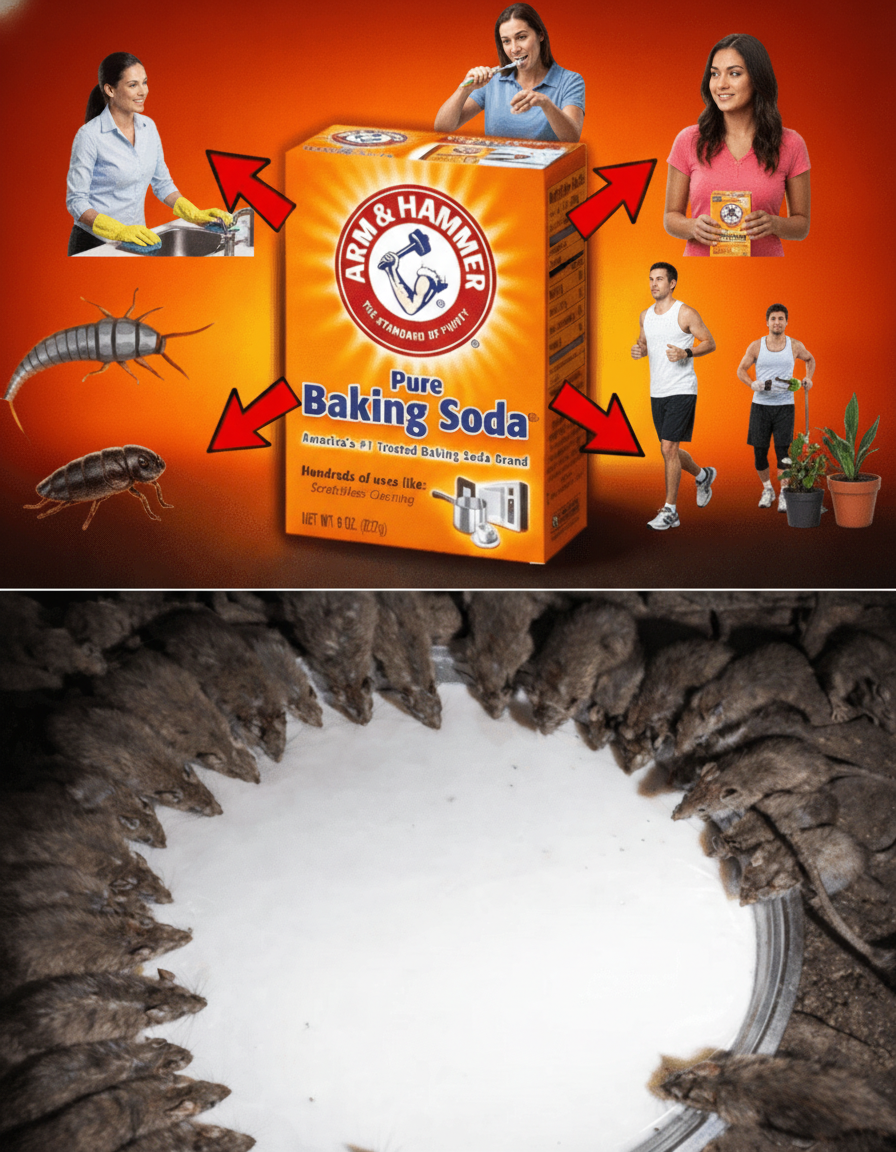
 Discovering unwanted pests like a scurrying cockroach or a persistent line of ants can quickly disrupt the comfort and hygiene of your home. These unwelcome guests are more than just an annoyance; they can carry bacteria, exacerbate allergies, and even interfere with your peace of mind. In the quest for safer, chemical-free solutions, many homeowners frequently reach for a common pantry item: baking soda. Hailed by some as a versatile natural pest control agent, baking soda’s appeal lies in its affordability and low toxicity. However, while numerous DIY success stories circulate, professional insights often temper these expectations, suggesting that its efficacy can be quite limited and highly dependent on the specific pest. This article delves into the popular uses of baking soda for pest management, examining both the anecdotal evidence and the practical realities, to help you understand where this household staple truly shines and where it falls short.
Why Consider Baking Soda for Pest Control 🏡
The challenge of managing household pests such as cockroaches, ants, bed bugs, or rodents can be daunting, particularly for families concerned about the use of potent chemical pesticides near children and pets. This is precisely why baking soda pest control gains popularity. Its primary allure stems from being highly economical, universally accessible, and possessing a generally low toxicity profile, making it a desirable initial attempt for minor pest nuisances. The underlying theories propose that when ingested, baking soda (sodium bicarbonate) can react with stomach acids, generating gas that certain pests cannot expel. Alternatively, when applied topically, it may absorb vital moisture from their bodies. Despite these promising concepts, real-world outcomes are highly inconsistent. Experts in pest management and scientific research caution that while baking soda might deter or impact individual pests on occasion, it seldom provides a comprehensive solution. Effective pest management strategies, including diligent sanitation, sealing potential entry points, and sustained preventative measures, typically yield far superior results than any single home remedy.
Unpacking the Science: How Baking Soda is Thought to Combat Pests 🔬
Understanding the theoretical mechanisms behind baking soda for pests is crucial for evaluating its potential. Primarily, two main hypotheses explain how sodium bicarbonate might impact unwanted invaders. The first theory focuses on internal disruption through ingestion. When mixed with an appealing bait and consumed, baking soda is believed to react with the pest’s digestive acids. This chemical reaction generates carbon dioxide gas, which, for insects and rodents incapable of expelling gas (like burping or flatulating), could lead to fatal internal pressure and organ damage. The second theory revolves around external dehydration or desiccation. Applied as a dry powder, baking soda is thought to absorb moisture and oils from the waxy exoskeletons of crawling insects, leading to dehydration and ultimately death. While these scientific principles appear plausible, their practical efficacy is largely contingent on the specific pest’s biology, behavior, and environment. Much of the supporting evidence for these methods remains anecdotal, with robust scientific studies offering only limited and often inconsistent validation. Therefore, while baking soda can serve as a supplementary measure in a broader pest control strategy, it is generally insufficient to tackle significant infestations, which typically require more potent, professional interventions.
Common DIY Baking Soda Pest Control Methods 🛡️
Across various online communities and DIY forums, homeowners frequently share their experiences with different baking soda pest control methods targeting specific household invaders. Below, we detail some of the most commonly discussed approaches, highlighting their purported effectiveness and practical considerations.
Sugar and Baking Soda Bait for Cockroaches
Among the most frequently cited DIY solutions for cockroaches is a simple bait combining equal parts baking soda and sugar. The sugar acts as an irresistible attractant, drawing these nocturnal pests to the mixture. Once ingested, the baking soda is theorized to react with the roach’s stomach acids, leading to a build-up of gas that they cannot release, ultimately proving fatal. Numerous DIY enthusiasts claim to observe a reduction in cockroach sightings over several weeks when small, dry piles of this mixture are strategically placed in discreet, hidden areas. However, it’s important to note that cockroaches may bypass this bait if more appealing food sources are readily available, and this method typically delivers results far more slowly than conventional commercial pest control products.
Onion or Peanut Butter Mix for Cockroaches
To amplify the attractiveness of baking soda for cockroaches, some homeowners suggest incorporating strong-smelling ingredients like finely chopped onion or a dollop of peanut butter. The potent aroma from these additions is intended to further entice roaches, potentially encouraging greater consumption of the baking soda. These enhanced baits are commonly placed in shallow dishes or jar lids in out-of-the-way locations such as under sinks or behind large appliances. While some users report a noticeable decrease in roach populations, others experience little to no significant change. For optimal results, these baits should be refreshed frequently, and their application should always complement a rigorous cleaning regimen.
Powdered Sugar Blend for Ants
When tackling ant infestations, a popular approach involves blending equal parts baking soda and powdered sugar. This fine mixture is then sprinkled directly along visible ant trails. The rationale is that worker ants, attracted to the sugar, will collect the blend and transport it back to their colony, inadvertently spreading the baking soda’s effects throughout the nest. Anecdotal reports indicate that some users observe a decline in ant activity within a few days. Nevertheless, ants are quite discerning and may detect the “off-taste” of the baking soda, leading them to simply bypass the bait. This method tends to be most effective against sugar-loving ant species, and it’s crucial to keep the powder dry, as moisture can cause it to clump and become less appealing.
Flour or Sugar Bait for Mice and Rats
For homeowners dealing with rodent issues, specifically mice and rats, a bait concoction involving baking soda mixed with flour, sugar, or peanut butter is often suggested. The theory here mirrors the approach for insects: rodents consume the bait, and the ingested baking soda reacts internally, causing gas buildup that they are unable to relieve, leading to distress and potential fatalities. Numerous accounts of success, particularly in less-trafficked areas like garages and attics, support this method. When deploying such baits, it is imperative to place them in tamper-resistant stations to prevent accidental consumption by children or pets. Pest control experts, however, often raise ethical concerns regarding the humane aspects of this method and strongly advise vigilant monitoring to ensure household pets do not access the bait.
Sprinkling Powder as a Barrier
Another common application of baking soda for pests involves using it as a physical barrier. By dusting a fine layer of baking soda along baseboards, window sills, and other potential entry points, the goal is to either repel crawling insects like ants and fleas or cause dehydration upon contact. While a limited number of individuals report experiencing minor deterrence from this method, scientific evidence supporting a strong, effective barrier effect is largely inconclusive. Regular vacuuming is essential to remove the powder and any associated debris. This approach is generally considered a low-impact deterrent rather than a robust solution.
Paste or Powder for Bed Bugs
For bed bugs, the suggestion involves liberally sprinkling baking soda over mattresses, box springs, carpets, and into crevices where these nocturnal pests might hide. The underlying premise is that the baking soda will absorb moisture and oils from the bed bugs’ exoskeletons, leading to dehydration and eventual demise. After a period, the powder is then vacuumed up. While this method is frequently circulated online, there is little to no scientific evidence to support its effectiveness against bed bugs. Bed bugs are notoriously resilient, and professional heat treatments or insecticides are typically required for successful eradication.
Realistic Expectations and Comprehensive Pest Management
While baking soda presents itself as an appealing, non-toxic, and affordable option for natural pest control, it’s crucial for homeowners to maintain realistic expectations. Its effectiveness is generally limited, often serving as a mild deterrent or a supplementary measure for very minor infestations. For established pest problems or species known for their resilience, relying solely on baking soda is unlikely to yield satisfactory results. True and lasting pest control hinges on an integrated approach. This involves diligent sanitation practices, identifying and sealing potential entry points, regularly inspecting your home, and, when necessary, consulting with professional pest control services. Baking soda can be a part of a broader strategy, particularly for those seeking eco-friendlier options, but it should not replace proven methods for effective pest eradication and prevention.