 By admin
 Baking Soda: A Natural Solution for Cockroaches, Ants, and Other Household Pests
Picture this: You arrive home after a demanding day, only to discover a cockroach darting across your kitchen counter or a relentless trail of ants making a beeline for your pantry. These unwelcome invaders do more than just shatter your peace of mind; they can introduce bacteria, trigger allergic reactions, and create a pervasive sense of unease and uncleanliness in your home. The frustration often escalates when conventional sprays and traps prove to be messy, ineffective, or too harsh, especially in households with children or pets.
In response, many homeowners seek out simpler, more natural alternatives. Among the most frequently discussed is baking soda – a common kitchen essential widely recognized for its cleaning and deodorizing properties. But here’s the intriguing part: while sodium bicarbonate isn’t a miraculous, guaranteed pest exterminator, many individuals report notable success when employing it in specific, strategic combinations. Join us as we delve into how this everyday ingredient can play a role in disrupting pest activity, and why an integrated approach often yields the most sustainable, long-term results.
Why Homeowners Explore Baking Soda for Pest Issues
Baking soda, scientifically known as sodium bicarbonate, is an accessible, mild alkaline powder. It’s not only incredibly inexpensive but also considered non-toxic when used appropriately, making it a staple in most kitchen pantries. While the Environmental Protection Agency (EPA) recognizes it as a fungicide for plants, its application against household pests largely stems from anecdotal accounts and time-honored home remedies.
The prevailing theory suggests that when specific pests ingest baking soda, particularly when incorporated into a bait, it reacts with their stomach acids. This reaction is believed to produce gas, potentially leading to discomfort, internal disruption, or even eventual demise. Scientific studies and expert opinions on its efficacy vary; some laboratory tests indicate that certain mixtures can impact insects like cockroaches under controlled conditions, while professional pest controllers often emphasize that it doesn’t offer the same reliability as professional-grade solutions.
Nevertheless, for minor infestations or as a proactive measure in pest prevention, many find baking soda a worthwhile option due to its relative safety for use around homes when handled carefully. The crucial insight? It typically performs best when combined with attractive food sources to encourage ingestion, rather than being used as a standalone powder.
Targeting Common Pests: How Baking Soda May Work
Different household pests may react distinctively to baking soda. Let’s explore its potential impact on some common invaders:
Cockroaches
These notoriously resilient insects are naturally drawn to sugary and starchy foods. When baking soda is mixed with an appealing treat, it encourages cockroaches to consume the bait. Upon ingestion, the chemical reaction with stomach acids is thought to cause a gradual buildup of internal pressure, often over 24-48 hours. User testimonials and some preliminary tests suggest a reduction in activity, though it’s important to note that results are generally not instantaneous or completely eradicating.
Ants
Ant colonies can quickly establish foraging trails within your home. Baking soda can potentially disrupt these paths or, when consumed as part of a bait, interfere with their digestive systems. Lightly sprinkling it as a physical barrier or incorporating it into sugary mixes can deter scouting ants in certain situations, preventing them from entering or establishing new routes.
Other Occasional Invaders (e.g., Silverfish)
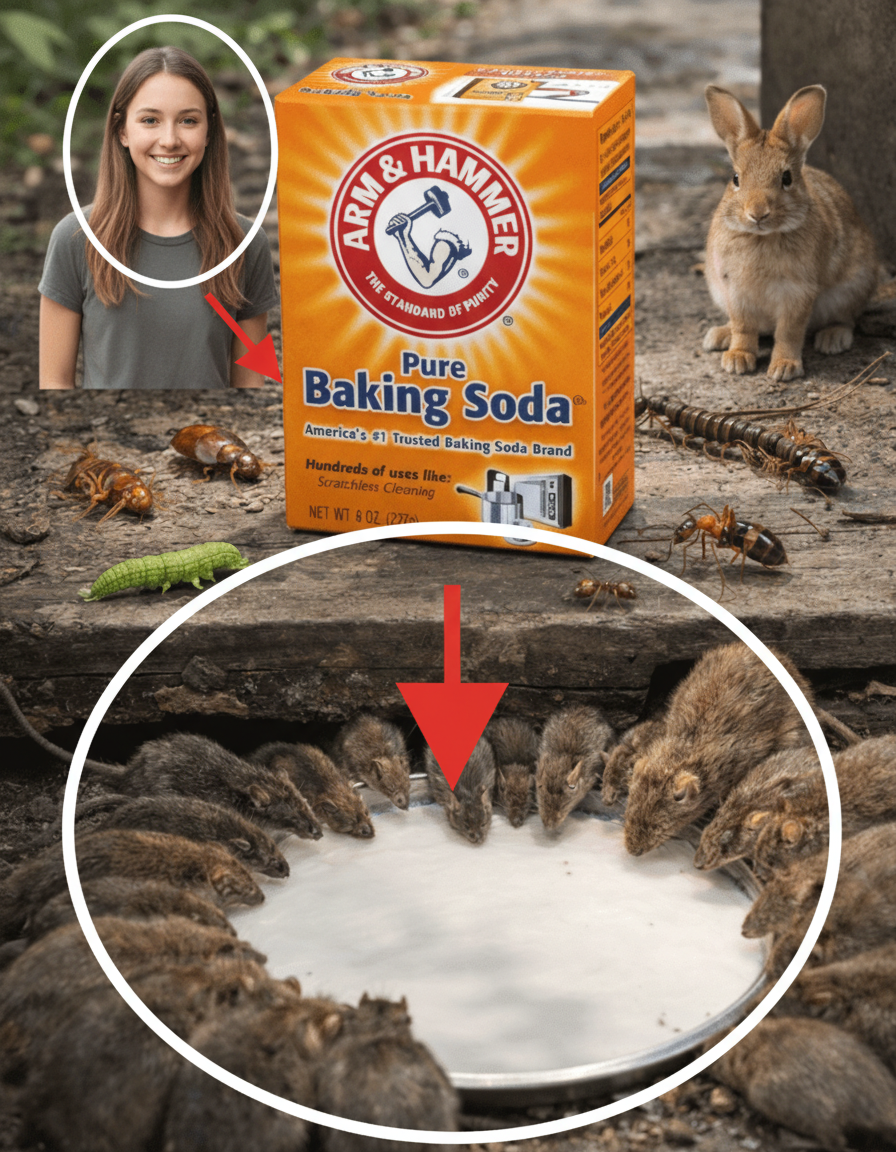
For pests like silverfish or other sporadic visitors, direct dusting with baking soda might have a mild drying or repellent effect. However, scientific evidence supporting widespread efficacy for these pests remains limited.
Pests Unaffected (e.g., Bed Bugs, Mice)
It’s vital to understand that baking soda shows little to no reliable effect against more severe infestations such as bed bugs or rodents like mice. For these persistent and challenging pests, professional intervention is almost always the most effective and recommended course of action.
Now, let’s explore practical and safe methods for trying baking soda in your pest management strategy.
Practical Application Guide: Simple Baking Soda Methods
Before attempting any pest control method, always prioritize fundamental cleanliness. Removing accessible food sources, sealing cracks and crevices, and reducing moisture levels are essential first steps that significantly enhance the effectiveness of any solution. Remember, baking soda is best utilized as a complementary tool, not a standalone ultimate fix.
1. Basic Bait for Cockroaches or Ants
- Preparation: Combine equal parts baking soda with powdered sugar (or regular granulated sugar if powdered isn’t available).
- Placement: Distribute small quantities of this mixture on disposable surfaces like paper plates or in shallow lids. Position these baits in areas where you’ve observed pest activity, such as behind kitchen appliances, underneath sinks, or along baseboards.
- Maintenance: Replenish the bait every few days. Regularly clean up any dead pests to prevent attracting additional scavengers.
- How it Helps: The sugar acts as a potent attractant, luring pests to the mixture. Upon ingestion, the baking soda is theorized to cause internal distress.
2. Barrier Sprinkle for Ants
- Application: Create a fine, light dusting of baking soda along known ant entry points, windowsills, or directly over ant trails.
- Reapplication: Reapply the barrier after cleaning or if it becomes wet from rain (for outdoor applications).
- How it Helps: This method creates a mild physical and chemical deterrent, as ants may be repelled by the texture and alkalinity of the powder.
3. Direct Dusting (for Visible Insects)
- Application: If you spot individual insects like silverfish, you can carefully sprinkle a thin layer of baking soda directly onto them.
- Safety Note: Always avoid inhaling the powder. Ensure you are in a well-ventilated area when performing direct dusting.
Important Safety Considerations and Best Practices
- Protect Children and Pets: While baking soda is generally considered safe, ingesting large quantities can cause stomach upset in both pets and young children. Always place baits and dust in locations inaccessible to them.
- Food Preparation Areas: Exercise caution when using baking soda near food preparation surfaces. Ensure thorough cleanup and rinsing of all areas before preparing food.
- Integrated Pest Management: For optimal results, integrate baking soda methods with consistent household hygiene practices. This includes regular vacuuming, storing all food items in airtight containers, promptly cleaning up spills, and repairing any leaky pipes or sources of moisture.
By understanding the potential and limitations of baking soda, you can thoughtfully incorporate this natural household item into a broader, safer strategy for managing common pests.