 By admin
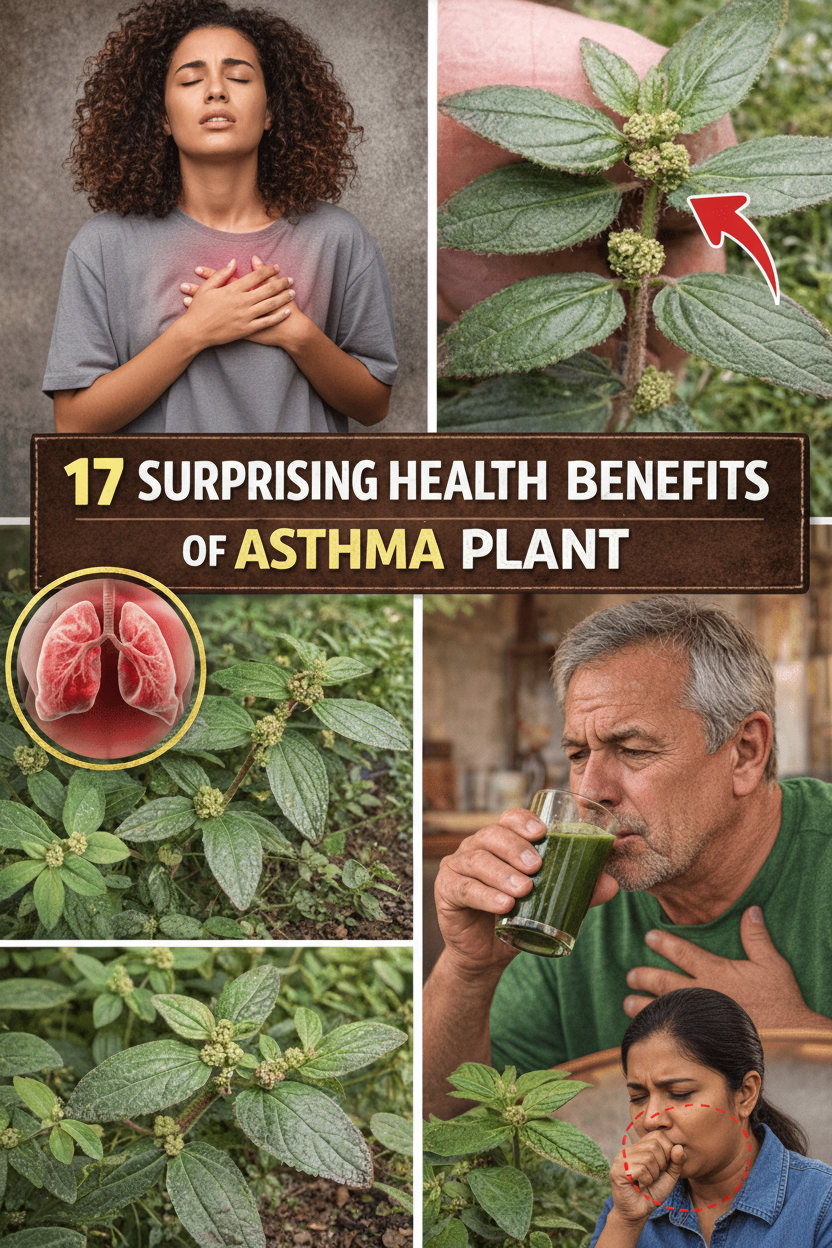
 The Asthma Plant (Euphorbia hirta), a humble yet powerful herb, thrives in tropical and subtropical climates worldwide, including regions like Vietnam. Known by various names such as tawa-tawa, snake weed, or fei yang cao in different cultures, this modest plant has been a cornerstone of traditional medicine for centuries. Its historical applications range from alleviating respiratory ailments and calming inflammation to promoting general well-being. Intriguingly, contemporary scientific investigations, including laboratory experiments, animal studies, and preliminary human observations, are increasingly validating many of these time-honored uses. Although extensive clinical trials are still in their early stages, Euphorbia hirta is recognized for its rich profile of bioactive compounds. These include flavonoids, alkaloids, tannins, triterpenes, and phenolic acids, which collectively contribute to its remarkable anti-inflammatory, antioxidant, bronchodilatory, and antimicrobial capabilities. Below, we explore 17 of the most compelling and frequently discussed health benefits of Asthma Plant, drawing insights from both ethnobotanical wisdom and emerging scientific data.
Respiratory & Breathing Support
- Relieves Asthma Symptoms: Historically, this is the primary application: a decoction or fresh juice made from its leaves is consumed to soothe wheezing, alleviate shortness of breath, and relax bronchial spasms. Animal research further supports these traditional claims, demonstrating significant bronchodilatory and anti-inflammatory actions within the airways.
- Reduces Bronchitis & Cough: It is often employed in folk medicine to help thin accumulated mucus and calm irritated airways, making it a popular remedy for both chronic and acute coughs.
- Supports Recovery from Respiratory Infections: Laboratory studies indicate its antimicrobial efficacy against various common respiratory bacteria and viruses. Consequently, it has been traditionally utilized to aid recovery during episodes of colds, flu, and even pneumonia.
Anti-Inflammatory & Pain Relief
- Lowers General Inflammation: The plant’s rich content of flavonoids and tannins is known to suppress key inflammatory pathways (such as COX, LOX, and NF-κB). This mechanism makes it potentially beneficial for managing joint pain, muscle soreness, and various inflammatory conditions.
- Eases Joint & Muscle Pain: Whether applied topically as a poultice or consumed as an internal tea, it has a long history of traditional use for alleviating discomfort associated with arthritis, rheumatism, and general muscle aches.
- Reduces Swelling (Edema): Its mild diuretic and anti-inflammatory properties can contribute to reducing fluid retention and localized swelling, offering relief from edema.
Digestive & Gut Health
- Calms Diarrhea & Dysentery: The presence of tannins provides astringent effects, which can help slow gut motility and minimize fluid loss. This makes it one of the most historically documented traditional uses for calming diarrhea and dysentery.
- Relieves Stomach Ulcers & Gastritis: Animal studies have demonstrated a protective effect on the gastric mucosa, aligning with its traditional use for soothing acid-related stomach pain, including symptoms of ulcers and gastritis.
- Supports Intestinal Parasite Clearance: Both traditional practices and some preliminary lab and animal studies suggest its antiparasitic activity against common intestinal invaders like roundworms, hookworms, and amoebas.
Skin & Wound Healing
- Speeds Wound Healing: A poultice made from fresh leaves is traditionally applied to cuts, burns, boils, and abscesses. Its combined antimicrobial and anti-inflammatory actions are believed to accelerate the healing process.
- Helps Skin Infections & Boils: Its antibacterial properties have been noted against common skin pathogens such as Staphylococcus and Streptococcus, making it useful for addressing skin infections and boils.
- Soothes Insect Bites & Stings: Applying crushed leaves to affected areas can effectively reduce itching, swelling, and localized inflammation caused by insect bites and stings.
Other Systemic Benefits
- Mild Blood Sugar Support: Animal studies have indicated potential hypoglycemic effects, leading to its traditional use in certain regions as a supportive measure for managing blood sugar levels.
- Supports Lactation in Nursing Mothers: In traditional medicine, Euphorbia hirta holds a reputation as a galactagogue, meaning it is traditionally used to help nursing mothers increase their milk flow.
- Reduces Fever: As a traditional antipyretic, a leaf decoction is often administered to help reduce fevers, particularly noted for its use during dengue fever in some affected regions.
- Antioxidant & Anti-Aging Effects: The plant’s high flavonoid content provides significant antioxidant protection, shielding cells from oxidative stress. This contributes to its potential benefits for promoting long-term cellular health and potentially anti-aging effects.
- Liver Protection: Preliminary animal studies have revealed its hepatoprotective capabilities, demonstrating its potential to safeguard the liver against toxin-induced damage.
How to Traditionally Use Asthma Plant
For centuries, various traditional methods have been employed to harness the therapeutic properties of Asthma Plant:
- Fresh Leaf Juice: For respiratory concerns, 1–2 tablespoons of juice, extracted from approximately 20–30 fresh leaves, are typically consumed once or twice daily.
- Decoction/Tea: A common preparation involves boiling 20–30 fresh leaves in 500 ml of water for 10–15 minutes. The resulting tea is then strained and consumed, usually 1–2 cups per day.
- Poultice: For topical applications, fresh leaves are crushed and directly applied to the skin to treat wounds, boils, or insect bites.
Modern Adaptations: In contemporary practice, many individuals prefer to blend fresh leaves with water, then strain the mixture to create a juice. Alternatively, leaves are dried and prepared as a herbal tea for convenience.
Realistic Expectations and Usage Timeline
While individual results may vary, here’s a general timeline for experiencing the potential benefits of Asthma Plant:
- Respiratory Relief: Improvements, such as calmer coughs and easier breathing, are often observed relatively quickly, sometimes within hours to 2–3 days.
- Digestive and Parasite Support: For issues related to digestion or parasite-related symptoms, noticeable changes, like reduced bloating, may take approximately 7–14 days of consistent use.
- General Inflammation and Energy: Achieving cumulative benefits for overall inflammation reduction and enhanced energy levels typically requires a more extended period, often 2–6 weeks of regular consumption.
Important Considerations: What Asthma Plant Does NOT Do
It’s crucial to have realistic expectations and understand the limitations of Asthma Plant as a herbal remedy:
- It should not replace prescribed medications for asthma, such as inhalers or bronchodilators, nor any other prescribed medical treatments.
- It is not a cure for severe respiratory conditions like chronic obstructive pulmonary disease (COPD), pneumonia, or advanced asthma.
- While it may offer supportive benefits, it cannot eliminate parasites effectively without the appropriate deworming medication when such treatment is required.
Safety Notes and Important Cautions
While Asthma Plant (Euphorbia hirta) is generally considered safe for traditional use, it’s essential to exercise caution and consult with a healthcare professional, especially if:
- You are pregnant or breastfeeding.
- You have pre-existing medical conditions.
- You are taking any prescription medications, as potential interactions may occur.
- You experience any adverse reactions.
Always seek professional medical advice before incorporating any new herbal remedy into your health regimen, particularly for chronic or severe conditions. This article is for informational purposes only and should not be considered medical advice.