 By admin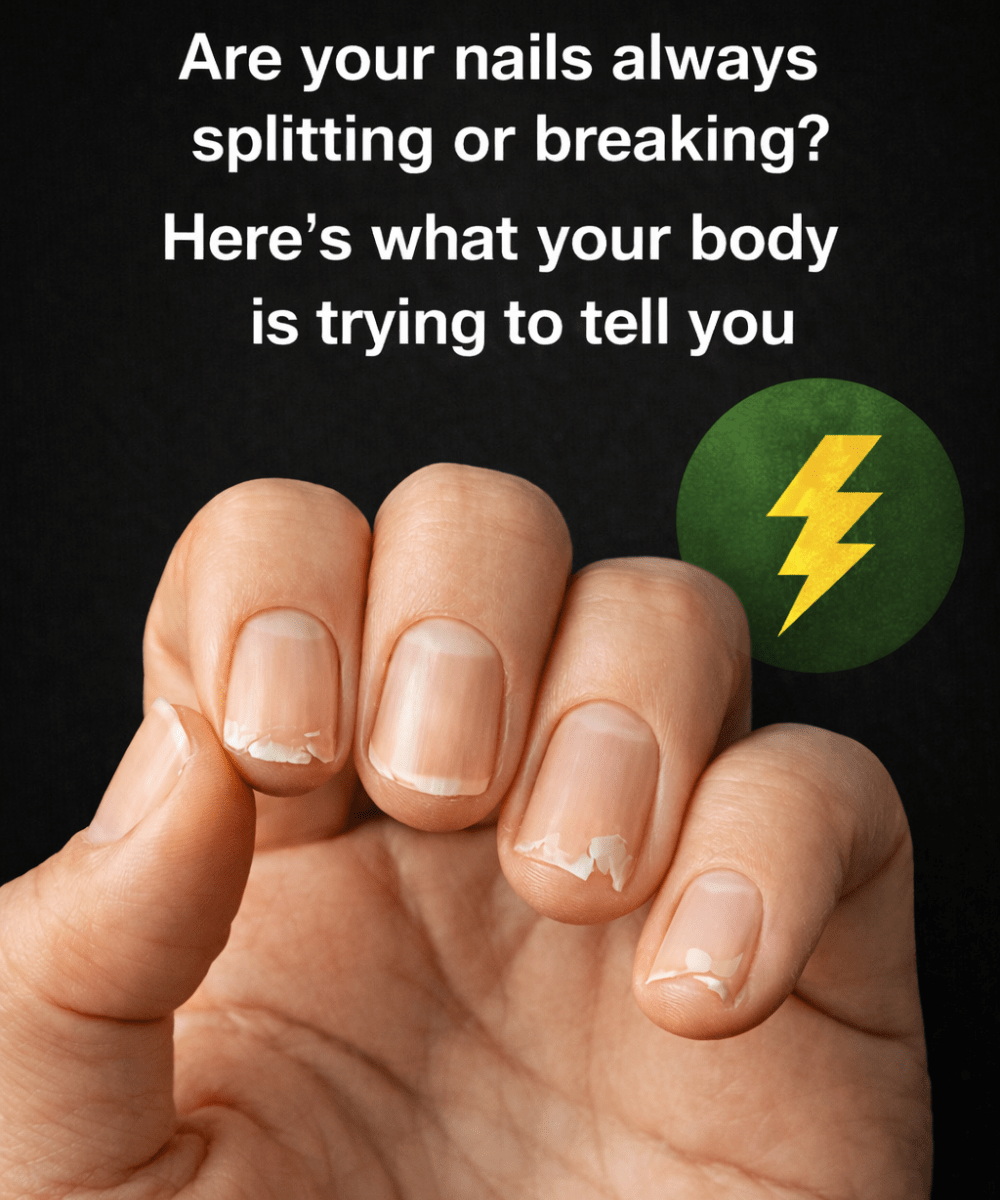
You glance down at your hands and spot yet another split nail, jagged and frustrating after a simple task like buttoning a shirt. It’s not just annoying—it leaves your fingers sore and your appearance feeling unkempt, making you self-conscious during meetings or social gatherings. These persistent breaks might seem like a minor hassle, but they could be your body’s subtle way of highlighting imbalances in nutrition, habits, or even underlying health concerns that deserve attention. I understand how disheartening this can feel, especially when it disrupts your daily routine. But here’s a promising twist: many people turn this around with straightforward adjustments. Stick around, because by the end, I’ll reveal an unexpected everyday habit that could transform your nail strength without any fancy treatments.

Why Do Nails Become Brittle and Prone to Splitting?
Brittle nails, or onychoschizia as it’s known in medical terms, affect about 20% of adults, with women over 50 often noticing it more. These nails tend to split horizontally at the ends, peel in thin layers, or snap with minimal pressure. Research from dermatology studies shows that while aging plays a role, everyday factors are usually the main culprits.
But that’s not all. Understanding the basics of nail structure helps here—nails are primarily made of keratin, a protective protein similar to what’s in your hair and skin. When this keratin weakens, nails lose their resilience. The good news? Most issues stem from reversible causes.

Everyday Habits That Weaken Nails
Think about your daily routine: how many times do your hands encounter water or chemicals? Frequent handwashing, especially with hot water and soap, strips away the natural oils that keep nails hydrated and flexible. This drying effect can lead to cracks and splits over time.
Here’s the thing—it’s not just washing. Exposure to household cleaners, nail polish removers containing acetone, or even dry winter air exacerbates the problem. Studies indicate that repeated wet-dry cycles cause nails to expand and contract, leading to brittleness. If you’re someone who does a lot of chores without protection, this might ring true.
And let’s not forget manicures. Gel polishes and acrylics, while pretty, can thin out natural nails when removed improperly. But wait, there’s more to consider beyond habits.
Aging and Lifestyle Factors
As we age, nail growth slows down, and they naturally become thinner and less flexible. This makes them more prone to ridges, splits, and breaks. According to health experts, hormonal changes in menopause or andropause can contribute, reducing moisture retention in the nails.
Sự thật là, lifestyle choices amplify this. Smoking reduces blood flow to the extremities, starving nails of nutrients. Even stress, which prompts nail-biting or picking, adds unnecessary wear. Have you noticed your nails feeling more fragile lately? It could tie back to these subtle shifts.
But don’t worry yet. Often, the real story lies in what you’re putting into your body—or not.

Nutritional Clues Hidden in Your Nails
Your diet directly impacts nail health, as nails require a steady supply of key nutrients to build strong keratin layers. Deficiencies can manifest as brittleness, making nails split or peel easily.
Iron is a big one. Low levels, common in anemia, can lead to concave or spoon-shaped nails that break frequently. Research from the American Journal of Clinical Dermatology links iron deficiency to nail fragility, particularly in women who experience heavy periods or follow restrictive diets.
Then there’s biotin, a B vitamin that supports keratin production. Some studies suggest that biotin supplements might improve nail strength in those with deficiencies, though results aren’t universal. Other B vitamins, like B12, play supporting roles too.
Zinc and protein are essential as well—zinc aids in cell division for nail growth, while protein provides the building blocks for keratin. Omega-3 fatty acids from fish or nuts help maintain nail moisture. If your diet lacks variety, these gaps could be showing up in your hands.
Here’s an interesting point: hydration matters too. Dehydration affects the entire body, including nails, making them dry and prone to cracking. But before reaching for supplements, consult a professional to avoid overdoing it.

Underlying Health Conditions to Consider
Sometimes, brittle nails point to broader health issues, though these are less common than lifestyle factors. For instance, thyroid imbalances like hypothyroidism can cause dry, splitting nails alongside symptoms such as fatigue or weight changes. Medical reviews note that regulating thyroid function often improves nail appearance.
Circulation problems, such as Raynaud’s phenomenon, restrict blood flow to the fingers, leading to weak nails. Anemia, as mentioned, is another link, where poor oxygen delivery hampers nail growth.
Skin conditions like psoriasis or eczema can affect nails, causing ridges or brittleness. Fungal infections might mimic these symptoms with discoloration. Even certain medications, including those for acne or cancer, can temporarily weaken nails.
The key? Pay attention to patterns. If brittleness comes with other unexplained changes, it’s worth checking out. But most cases don’t require alarm—just awareness.
Real Stories: How Others Turned It Around
Take Lisa, a 58-year-old teacher who dealt with constant nail splits for years. She frequently washed dishes bare-handed and used harsh removers for her weekly manicures. After adopting gloves and a daily moisturizing routine, her nails strengthened noticeably within three months. “No more painful catches on clothing,” she shared.
Or consider Mark, 62, whose brittle nails coincided with low energy. A simple blood test revealed iron deficiency. By incorporating more leafy greens and lean meats, plus a doctor-recommended supplement, his nails—and vitality—rebounded.
These stories highlight a common theme: small, consistent changes yield big results. Could something similar work for you? Let’s dive into practical steps next.
Practical Steps to Strengthen Your Nails
Ready to take action? Start with these straightforward habits that many find effective for improving nail resilience.
- Protect from Water and Chemicals: Always wear cotton-lined rubber gloves during chores like cleaning or gardening. This barrier prevents moisture loss and shields against irritants.
- Moisturize Daily: After washing hands or showering, apply a nourishing lotion or cuticle oil. Look for ones with urea or lanolin to lock in hydration without greasiness.
- Adopt a Gentle Care Routine: Keep nails trimmed short and file them in one direction to avoid splits. Skip aggressive buffing, which can thin the nail plate.
- Nourish from Within: Focus on a balanced diet with protein sources like eggs, nuts, and fish. Include iron-rich foods such as spinach and red meat to support overall health.
But that’s just the basics. For a quick comparison of approaches, check this table:
| Approach | How It Helps | Tips |
|---|---|---|
| Protective Gloves | Prevents moisture loss and damage | Use for all wet tasks; replace regularly |
| Moisturizing Oils/Lotions | Locks in natural hydration | Apply twice daily, especially at night |
| Balanced Diet | Provides essential nutrients for keratin | Include variety: proteins, vitamins, minerals |
| Supplements (e.g., Biotin) | May enhance strength in deficiencies | Only after doctor consultation |
And here’s a step-by-step guide to get started safely:
- Assess Your Routine: Track how often your hands get wet or exposed to chemicals this week. Note any patterns in nail breaks.
- Incorporate Protection: Buy a pair of gloves today and use them for the next chore. Dry hands thoroughly afterward.
- Build Moisturizing Habit: Set a reminder to apply lotion after every hand wash. Massage it into cuticles for better absorption.
- Monitor Nutrition: Add one nutrient-rich food to each meal, like almonds for zinc or salmon for omega-3s. Stay hydrated with at least eight glasses of water daily.
- Track Progress: After two weeks, note any improvements. If not, consider professional input.
These steps are simple yet powerful—many see changes in as little as a month.
When to Seek Professional Help
If you’ve tried these tweaks for a couple of months without improvement, or if you spot unusual signs like persistent pain, yellowing, or swelling, it’s time to consult a healthcare provider. They can run tests for deficiencies or conditions.
Don’t overlook related symptoms such as ongoing tiredness or skin changes—these could offer important clues. Early attention often leads to easier management.
Take Charge of Your Nail Health Today
In summary, brittle nails often signal simple fixes like better protection, hydration, and nutrition rather than major concerns. By addressing habits and listening to your body, you can enjoy stronger, more resilient nails that boost your confidence.
But remember that unexpected habit I mentioned earlier? It’s staying consistent with hand patting dry instead of rubbing— this gentle technique preserves natural oils, preventing dryness that leads to splits. Try it next time you wash up.
FAQ
What causes nails to split vertically? Vertical splits, or onychorrhexis, often result from aging, trauma, or nutritional gaps like low biotin. Gentle filing and moisturizing can help, but see a doctor if it persists.
Can stress make nails brittle? Yes, stress can indirectly weaken nails by promoting habits like biting or reducing nutrient absorption. Managing stress through exercise or relaxation techniques may support better nail health.
Are brittle nails a sign of vitamin deficiency? They can be, particularly deficiencies in iron, biotin, or zinc. A varied diet usually helps, but blood tests confirm specifics.
This article is for informational purposes only and not a substitute for professional medical advice. Always consult your healthcare provider for personalized guidance.