 By admin
 Imagine whipping up a delicious shrimp dish, only to realize you might be serving a secret ingredient nobody wants to talk about. This tiny detail has sparked endless debates in kitchens worldwide, and it could be ruining your meals.
Shrimp remains a global favorite, cherished for its delicate flavor and incredible versatility in everything from sizzling stir-fries to rich pasta dishes. However, there’s one particular aspect that consistently divides both seasoned chefs and home cooks: that distinct dark line often seen running along its back.
Is it truly necessary to remove it, or can you safely leave it be?
Let’s dive into the surprising truth behind this frequently misunderstood feature and uncover exactly how it impacts your culinary creations.
🦐 What Is the “Vein” in Shrimp, Really?
Despite its common misnomer, this so-called “vein” is absolutely not a blood vessel as many people assume.
👉 What you’re actually looking at is the shrimp’s digestive tract, or intestine.
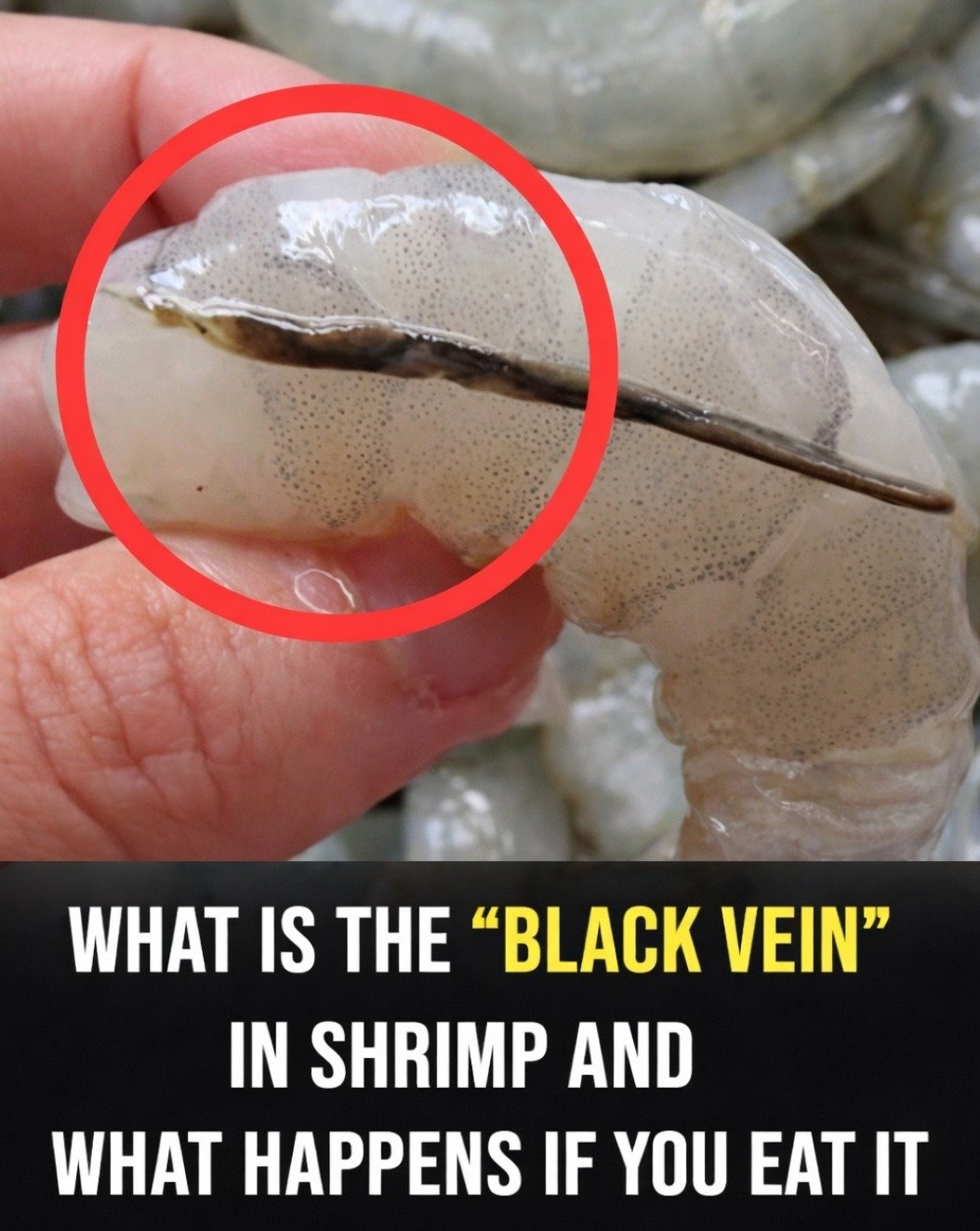
This dark line can typically contain a mix of:
- Undigested food particles
- Fine sand and grit accumulated from the ocean floor
- Various waste materials (yes, essentially shrimp feces)
While this might sound a bit off-putting, it’s a completely normal biological feature for these crustaceans.
⚠️ Is It Truly Safe to Eat?
From a purely health and safety perspective, yes—it is generally considered safe to consume shrimp even if the vein is left untouched.
- Properly cooking shrimp at the recommended temperatures effectively eliminates most potentially harmful bacteria.
- Countless individuals regularly eat shrimp with the vein intact and never experience any adverse effects.
However…
👉