 By admin
 Aphthous Stomatitis Explained: Your Comprehensive Guide to Canker Sores and Effective Management
That familiar, sharp, burning sensation inside your mouth can make even simple acts like eating or drinking feel excruciating. A quick glance in the mirror often reveals those tell-tale small, white or yellowish spots, distinctly outlined by an angry red border. These persistent and frustrating oral lesions—medically known as aphthous ulcers or, more commonly, canker sores—can significantly disrupt your daily life, influencing your diet and leaving you to wonder about their frequent recurrence. But there’s good news: most individuals discover effective strategies to alleviate the discomfort and reduce the frequency of outbreaks. Moreover, an often-overlooked daily habit can make a remarkable difference in prevention and healing – continue reading to uncover this simple yet powerful tip towards the end of this guide.
What Exactly Is Aphthous Stomatitis?
Aphthous stomatitis, widely recognized as canker sores or aphthous ulcers, represents one of the most prevalent oral conditions. These small, painful ulcers develop exclusively on the delicate, soft tissues within the mouth. Crucially, they are not caused by a virus, unlike cold sores, and are entirely non-contagious. Renowned health organizations, such as the Mayo Clinic, indicate that these lesions affect a significant portion of the population, impacting up to 20-40% of people at some point in their lives. While they typically resolve on their own, the associated pain can persist for several days. The key takeaway is that these oral ulcers are benign in the vast majority of cases and do not signify a serious underlying health problem.
Where Do Canker Sores Usually Form?
These distinctive ulcers exclusively emerge on the non-keratinized, or soft, areas inside the oral cavity. Common locations for canker sore development include:
- The inner surfaces of the lips
- The lining of the cheeks
- The tongue (particularly its sides or underside)
- The floor of the mouth
- The soft palate, located at the back of the mouth
It’s important to note that canker sores never appear on the outer lips, the hard palate, or the skin outside the mouth. This specific distribution is a key characteristic that helps differentiate them from other oral conditions, such as cold sores.
What Do Aphthous Ulcers Look Like?
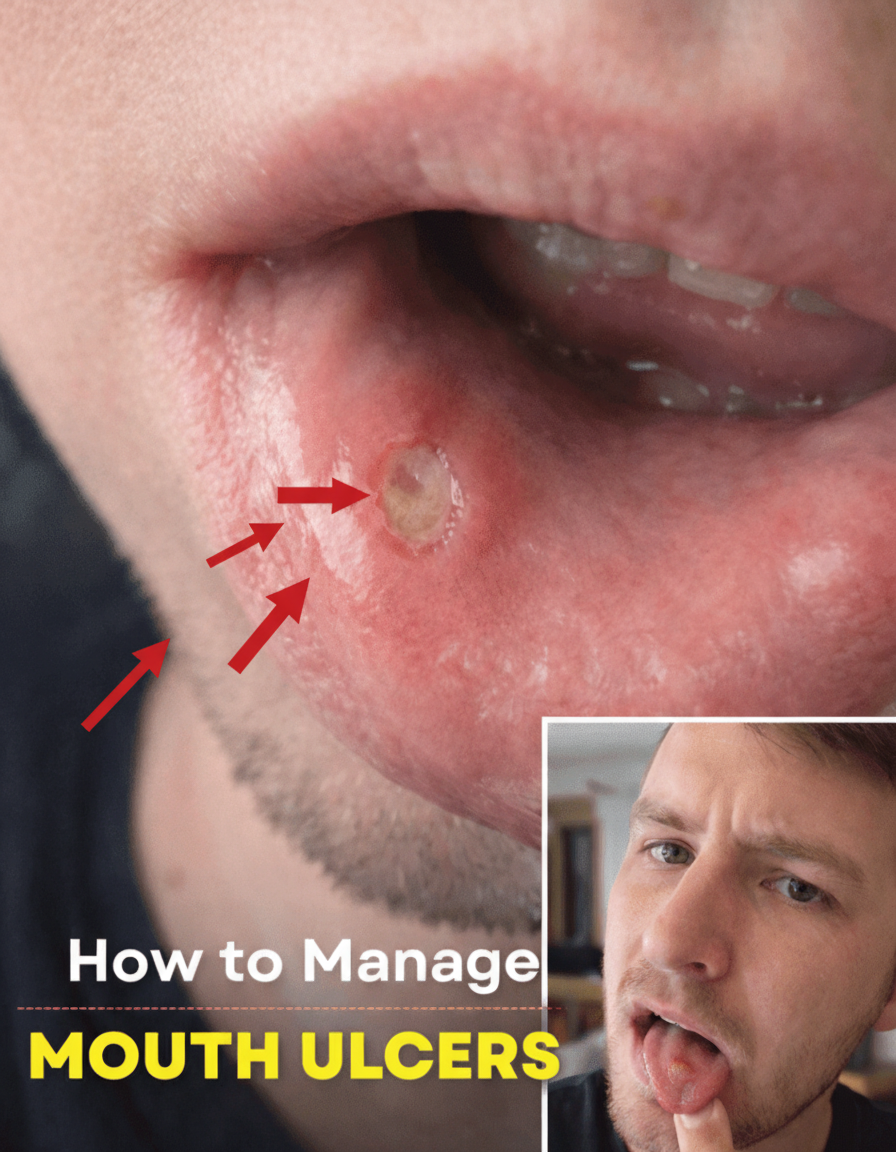
Imagine a small, distinctively round or oval lesion, typically less than a centimeter in diameter for the most common variety. Its central area presents as white or yellowish, sharply contrasted by a bright red, inflamed border. The affected region often feels tender and may produce a burning sensation, especially when irritated by food, beverages, or even air exposure. The intensity of the pain usually peaks within the first few days, gradually subsiding as the natural healing process commences.
The Three Primary Types of Aphthous Ulcers
Not all canker sores are identical. Understanding their specific type can provide insight into their expected duration and severity.
Minor Aphthous Ulcers (The Most Common):
- Characterized by their small size (generally under 1 cm)
- Typically heal within 7-10 days
- Do not leave behind any scarring
- Represent approximately 80% of all canker sore cases
Major Aphthous Ulcers:
- Significantly larger and deeper (exceeding 1 cm in diameter)
- Known for being more painful and persistent
- Can take a longer time to heal, ranging from 2 to 6 weeks
- May result in noticeable scarring
Herpetiform Ulcers:
- Manifest as clusters of numerous tiny ulcers (sometimes up to 100 small lesions)
- These small ulcers can coalesce, forming larger, irregular patches
- The name ‘herpetiform’ refers solely to their cluster-like appearance and indicates no actual relation to the herpes virus
Research consistently shows that minor aphthous ulcers resolve the quickest, while major types often necessitate more focused attention and management due to their severity and prolonged healing time.
Why Do Canker Sores Recur? Common Causes and Triggers
While the precise etiology of aphthous stomatitis remains elusive, experts largely agree that a combination of factors contributes to its development and recurrence. It often involves a blend of genetic predisposition and various environmental or lifestyle triggers. Common factors known to provoke canker sore outbreaks include:
- Stress and Anxiety: Many individuals report outbreaks coinciding with periods of high emotional or psychological pressure.
- Mouth Injury: Trauma to the oral tissues, such as accidental cheek biting, irritation from sharp teeth, dental braces, or even certain dental procedures, can initiate a sore.
- Nutritional Deficiencies: Insufficient levels of essential nutrients like iron, vitamin B12, or folic acid have been linked to increased susceptibility, a finding supported by research from institutions like the NIH.
- Hormonal Fluctuations: Women may experience a heightened incidence of canker sores during specific phases of their menstrual cycle.
- Certain Foods: Consuming spicy, highly acidic (such as citrus fruits), or very salty foods can irritate the mouth and trigger ulcers in sensitive individuals.
- Weakened Immune System: A compromised immune response, often following an illness or due to inadequate sleep, can make one more vulnerable to outbreaks.
- Sodium Lauryl Sulfate (SLS) in Toothpaste: This common foaming agent found in many oral hygiene products can irritate the delicate oral mucosa in some people, leading to canker sores.
- Underlying Health Conditions: Though rare, certain systemic issues like celiac disease or inflammatory bowel conditions can be associated with recurrent aphthous ulcers. It’s advisable to investigate these if sores are persistent and severe.
It’s worth noting that for some, simply identifying and avoiding one specific trigger can dramatically reduce the frequency of canker sore recurrences.
Recognizing the Symptoms of Canker Sores
The primary symptom of an aphthous ulcer is localized pain or a distinct burning sensation, often preceding the visible appearance of the sore itself. Other common experiences include:
- Increased discomfort when consuming spicy, acidic, or hot foods and beverages.
- Difficulty or pain while eating, drinking, or speaking comfortably.
- Mild swelling localized around the sore.
- Importantly, canker sores typically do not present with systemic symptoms such as fever, swollen glands, or widespread body aches, which are more indicative of infections.
If you experience any systemic signs alongside your mouth sores, it is crucial to consult a healthcare professional for a proper diagnosis.
How Healthcare Professionals Diagnose Aphthous Stomatitis
In most instances, canker sores are diagnosed through a simple visual examination. Their classic appearance is usually distinctive enough for a clinician to identify them. However, if ulcers are unusually frequent, particularly severe, or do not respond to typical management, healthcare providers may recommend further investigations, such as:
- Blood Tests: To check for potential nutritional deficiencies, including low levels of iron or B vitamins.
- Screening for Systemic Conditions: To rule out any underlying health issues that might be contributing to recurrent oral ulcers.
These additional tests help to exclude other conditions that might mimic canker sores and guide a more effective long-term management strategy.
Effective Ways to Manage Pain and Support Healing
Given that most canker sores heal naturally, the primary focus of management shifts to alleviating pain and promoting comfort during the healing process.
Over-the-Counter Options:
- Topical Numbing Gels: Products containing benzocaine or lidocaine can provide rapid, temporary pain relief when applied directly to the sore.
- Protective Pastes or Gels: These formulations create a physical barrier over the ulcer, shielding it from irritation caused by food, drink, and friction, thereby reducing pain and aiding healing.
- Antiseptic or Saline Rinses: Rinsing the mouth with antiseptic mouthwash or a simple saltwater solution can help keep the area clean, reduce bacterial load, and soothe inflammation.
Anti-Inflammatory Approaches:
- Corticosteroid Rinses or Pastes: For more persistent or severe canker sores, a doctor may prescribe topical corticosteroids to reduce inflammation and accelerate healing.
- Non-Steroidal Anti-Inflammatory Drugs (NSAIDs): Over-the-counter pain relievers like ibuprofen can help manage general discomfort and inflammation.
The Overlooked Daily Habit for Canker Sore Prevention:
As promised, here’s a simple yet powerful daily habit that many overlook but can significantly impact canker sore recurrence, especially for sensitive individuals: Switch to a toothpaste that is free of Sodium Lauryl Sulfate (SLS). Since SLS can irritate the delicate lining of the mouth, opting for an SLS-free toothpaste can dramatically reduce the frequency of outbreaks for those prone to canker sores. This small change in your oral hygiene routine can make a big difference in maintaining a healthier, more comfortable mouth.
By understanding the nature of aphthous stomatitis, identifying your personal triggers, and employing effective management strategies, you can significantly reduce the impact of canker sores on your quality of life. Always consult a healthcare professional if your canker sores are unusually large, extremely painful, persistent, or accompanied by other concerning symptoms.