 By admin
 Aphthous stomatitis, more widely recognized as canker sores, represents the most prevalent form of painful ulceration occurring within the oral cavity. These distinct, shallow, typically round or oval sores emerge on the delicate soft tissues inside your mouth, including the inner cheeks, lips, tongue, gums, mouth floor, or soft palate. It’s crucial to understand that these oral lesions are not contagious and are distinct from cold sores, as they are not triggered by the herpes virus. While many individuals first encounter a canker sore between the ages of 10 and 40, they can manifest at any point in life. For some, these mouth ulcers are an infrequent nuisance, appearing only once or twice; however, for a significant portion of the population, they become a recurring challenge, surfacing three to six or more times annually and considerably impacting daily comfort and quality of life.
Key Characteristics of Canker Sores
Understanding the distinct features of canker sores can help differentiate them from other oral conditions. Here’s a breakdown of their typical presentation:
| Feature | Description |
|---|---|
| Appearance | Characterized by a round or oval shape with a white or yellowish center, encircled by a vivid red, inflamed border. |
| Size & Type |
Minor Aphthous Ulcers: The most common, typically 3–10 mm in diameter. Major Aphthous Ulcers: Larger, exceeding 10 mm, often deeper, and require a longer healing period, sometimes leaving scars. Herpetiform Ulcers: Present as clusters of numerous small, pinpoint ulcers (1–3 mm each) that may merge. |
| Pain Level | Ranges from moderate to severe discomfort, particularly exacerbated by eating, drinking, speaking, or oral hygiene practices like brushing. |
| Location | Exclusively found inside the mouth, on the movable soft tissues. They do not appear on the outer lips, external gums, or skin. |
| Duration |
Minor: Usually resolve within 7–14 days. Major: Can persist for 2–6 weeks. Herpetiform: Typically heal within 7–14 days. |
| Healing Process | Generally heal without leaving a scar, with the notable exception of major aphthous ulcers which can sometimes result in scarring. |
| Recurrence Rate | A significant proportion, approximately 20–40% of individuals, will experience recurring episodes throughout their lives. |
Common Triggers and Risk Factors for Canker Sores
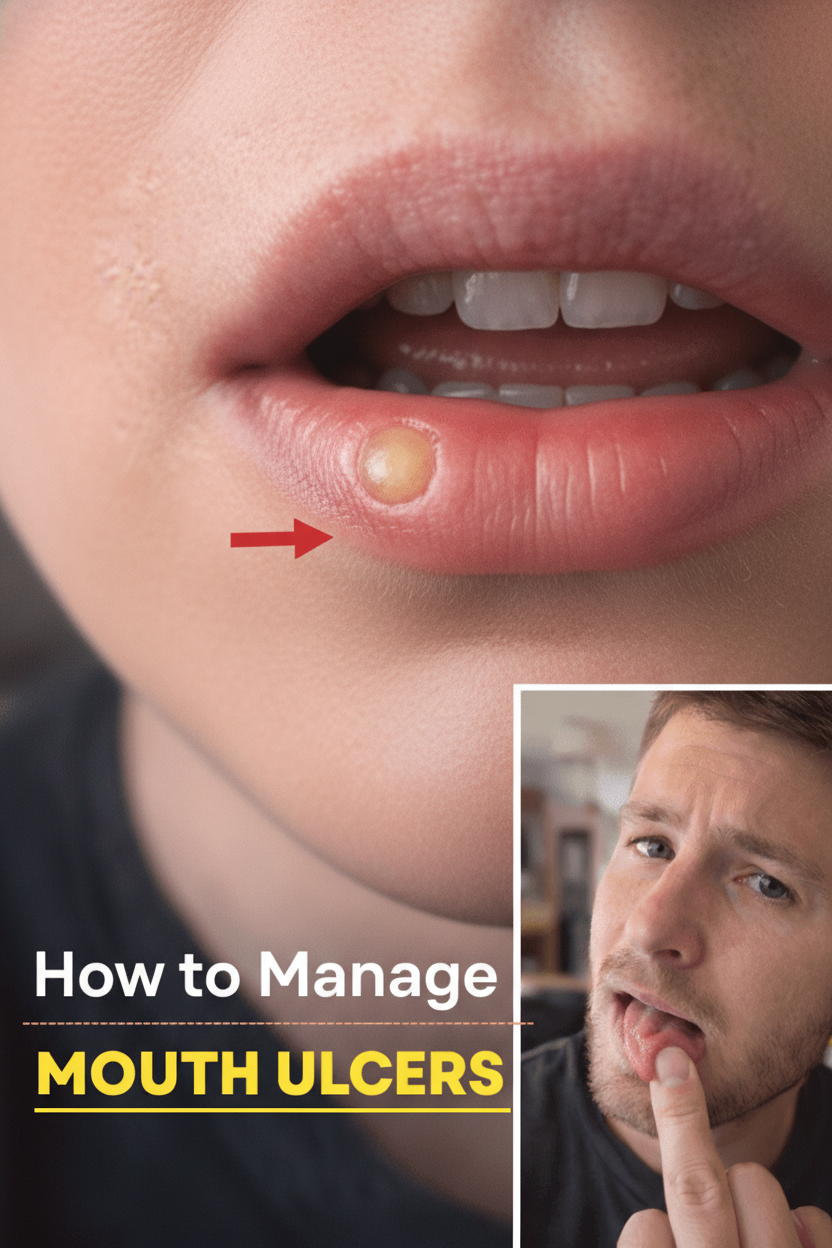
While the exact cause of canker sores isn’t always clear, several factors are known to trigger their appearance or increase susceptibility. Identifying these can be a crucial step in managing and preventing future outbreaks.
- Physical Trauma: Even minor injuries to the mouth can initiate a canker sore. This includes accidental cheek or tongue bites, irritation from a sharp tooth, dental procedures, vigorous tooth brushing, orthodontic braces, or poorly fitting dentures.
- Stress and Emotional Upset: A significant connection exists between stress levels and canker sore outbreaks. Many individuals report new sores emerging during periods of high emotional or psychological stress, such as academic exams, personal grief, or intense work pressure.
- Nutritional Deficiencies: In a notable percentage (10–30%) of recurrent canker sore cases, deficiencies in essential nutrients like iron, vitamin B12, folate, zinc, or vitamin D have been identified.
- Dietary Factors and Additives: Certain foods and ingredients can act as triggers. These often include acidic or spicy items (e.g., citrus fruits, tomatoes, pineapple), chocolate, coffee, nuts, and gluten (particularly for those with celiac disease). Sodium Lauryl Sulfate (SLS), a foaming agent found in many toothpastes, is also a common irritant.
- Hormonal Changes: Women frequently observe a correlation between hormonal shifts and canker sore development, with outbreaks often coinciding with the pre-menstrual period or menstruation.
- Immune System Alterations: Changes in immune system function, such as those occurring during a cold or flu, or when initiating or discontinuing immunosuppressive medications, can sometimes provoke episodes.
- Underlying Medical Conditions: Canker sores can occasionally be a symptom of broader systemic health issues. These include celiac disease, Crohn’s disease, Behçet’s disease, reactive arthritis, HIV, and cyclic neutropenia.
- Genetic Predisposition: A strong family history is a common indicator. If parents or close relatives frequently experience recurrent canker sores, the likelihood of developing them is significantly elevated.
When to Consult a Healthcare Professional About Canker Sores
While most canker sores are benign and resolve on their own, certain situations warrant a visit to your doctor or dentist. It’s important to seek professional advice to rule out other conditions or to manage severe cases.
Schedule a Routine Check-up (within 1-2 weeks) if:
- Your oral sores persist for longer than two weeks.
- New ulcers develop before previous ones have fully healed.
- You experience unusually painful or exceptionally large canker sores (exceeding 1 cm in diameter).
- You suffer from very frequent outbreaks, such as more than 6-8 times annually.
- The sores are accompanied by other systemic symptoms like fever, swollen lymph nodes, or ulcers on the skin or genitals.
Seek Urgent Medical Evaluation if:
- The sores are causing difficulty with swallowing or breathing.
- You notice persistent white or red patches in your mouth that do not heal.
- You experience unexplained weight loss, persistent fatigue, or drenching night sweats alongside your oral ulcers.
Effective Strategies for Canker Sore Management and Prevention
While canker sores can be incredibly bothersome, various approaches can help alleviate discomfort and even reduce their frequency. These strategies can be broadly categorized into immediate relief and long-term prevention.
Immediate Pain Relief for Canker Sores
When a canker sore strikes, the primary goal is often to reduce the pain and irritation it causes:
- Topical Anesthetics: Apply over-the-counter numbing gels or creams containing ingredients like lidocaine or benzocaine (e.g., Orajel, Anbesol) directly to the sore to temporarily desensitize the area.
- Saltwater Rinses: Rinse your mouth with a solution of half a teaspoon of salt dissolved in warm water, three to four times daily. This can help cleanse the sore and promote healing.
- Baking Soda Paste