 By admin
 Last week, an older gentleman quietly pressed his chest at a family dinner, then laughed it off, blaming spicy food, and avoiding eye contact. Deep down, he knew something wasn’t right. Moments like this happen daily, and that familiar discomfort often returns. This brief chest pressure could be a critical warning signal your body is trying to send. By the end of this article, you’ll discover why recognizing these subtle signs early is crucial, and a simple habit many doctors recommend to stay ahead of potential danger.
What Is Angina Pectoris and Why It Matters
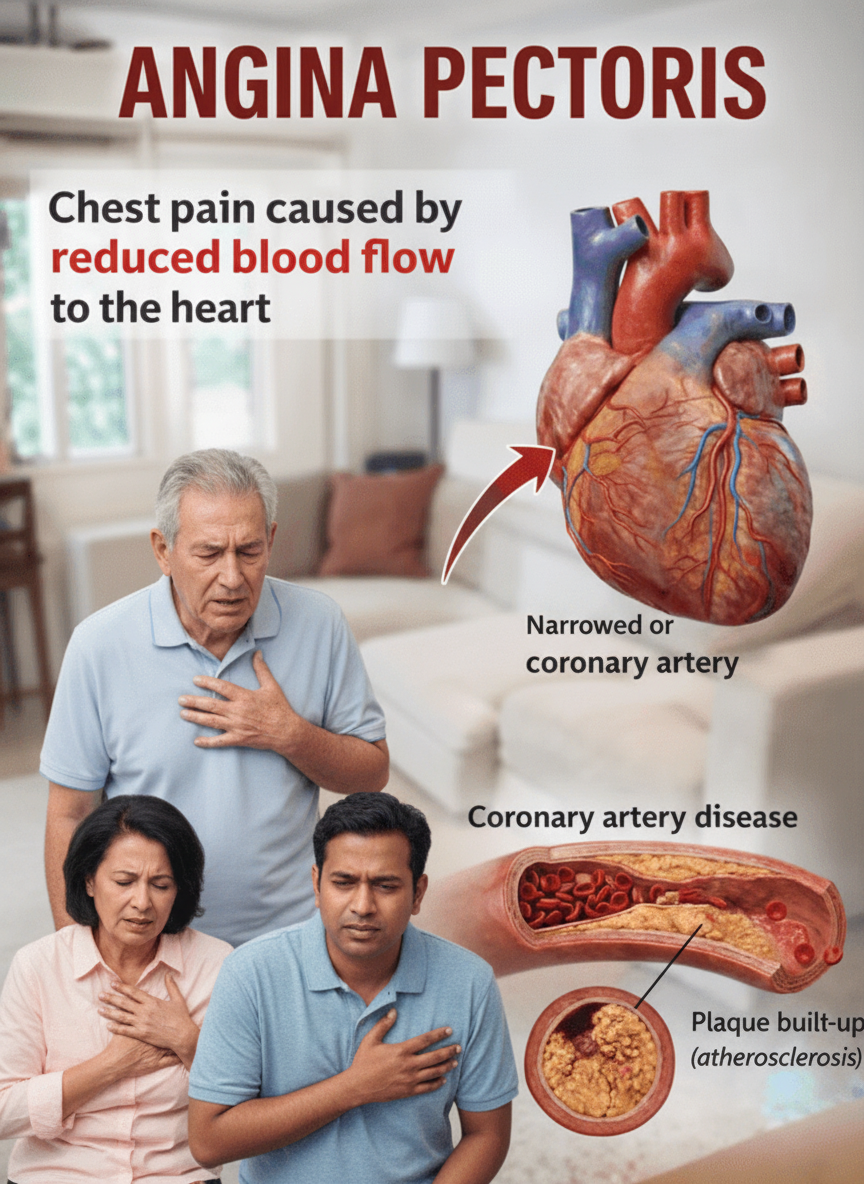
Angina pectoris is chest discomfort that arises when your heart muscle doesn’t receive enough oxygen-rich blood. Think of your heart as a tireless pump; it needs its own dedicated blood supply through small vessels called coronary arteries. When these arteries narrow or stiffen, blood flow can struggle to reach the heart muscle, especially during physical activity or stress.
The result? A feeling of pressure, tightness, or heaviness in the chest. It’s vital to understand that angina isn’t a disease itself; it’s a symptom – a powerful signal from your body indicating your heart might be under strain. Organizations like the American Heart Association explain that this reduced blood flow often stems from plaque buildup inside the arteries, a process known as atherosclerosis. However, lifestyle choices like smoking, lack of physical activity, high cholesterol, and unmanaged stress significantly contribute to the problem. Many people make a dangerous mistake: they ignore early symptoms because the discomfort sometimes subsides with a few minutes of rest. This temporary relief can create a false and dangerous sense of security.
Common Angina Symptoms Many People Dismiss
Angina doesn’t manifest identically for everyone. While some envision dramatic chest pain, the reality is often far more subtle, particularly in older adults. It frequently presents as pressure rather than sharp pain. Typical sensations include:
- Tightness or a squeezing sensation in the chest.
- Burning or pressure behind the breastbone.
- Discomfort that radiates to the shoulder, arm, neck, or jaw.
- Shortness of breath, especially during activities like walking or climbing stairs.
- Sudden, unexplained fatigue during physical exertion.
Surprisingly, some individuals experience discomfort in their back or stomach, leading to confusion with indigestion or muscle strain. The crucial takeaway is this: if discomfort repeatedly appears during effort and improves with rest, it’s a strong signal that your heart may be receiving insufficient blood supply. Don’t dismiss these recurring patterns.
Risk Factors That Increase Angina Chances
Research consistently highlights the combined role of lifestyle and aging in the narrowing of coronary arteries. While certain risk factors, such as age or family history, are beyond our control, many others are directly influenced by daily habits. Common contributing factors include:
- Smoking or prolonged exposure to tobacco.
- High cholesterol levels.
- High blood pressure (hypertension).
- Diabetes.
- Excess body weight.
- Long periods of physical inactivity.
- Chronic stress and insufficient sleep.
These factors rarely develop overnight; they accumulate slowly over years of small, seemingly insignificant daily choices. For instance, a sedentary lifestyle combined with a diet high in processed foods can gradually elevate cholesterol levels. Over time, fatty deposits form along artery walls, progressively restricting blood flow. The encouraging news is that studies confirm improving lifestyle habits can significantly support better cardiovascular health, even later in life.
Daily Habits That Support Better Heart Circulation
Achieving better heart health doesn’t require extreme routines or complicated regimens. The truth is much simpler: consistent, small habits often yield more significant results than drastic, unsustainable changes. Here are practical actions many cardiologists advocate for maintaining healthy circulation:
- Move Your Body Every Day: Walking is one of the most accessible and effective activities for older adults. Aim for approximately 20 to 30 minutes of comfortable walking most days of the week. Even light movement enhances blood flow, strengthens your heart, and supports overall cardiovascular fitness.
- Prioritize a Heart-Healthy Diet: Focus on whole, unprocessed foods. Incorporate plenty of fruits, vegetables, lean proteins, and whole grains. Limit saturated and trans fats, added sugars, and excessive sodium.
- Manage Stress Effectively: Chronic stress can strain your heart. Find healthy coping mechanisms such as meditation, deep breathing exercises, spending time in nature, or engaging in hobbies you enjoy.
- Ensure Adequate Sleep: Quality sleep is crucial for heart health. Aim for 7-9 hours of restful sleep per night.
- Regular Medical Check-ups: Don’t wait for symptoms to become severe. Regular visits to your doctor can help monitor your blood pressure, cholesterol, and blood sugar, allowing for early intervention if needed.
By paying attention to your body’s signals and adopting these simple, consistent habits, you can significantly reduce your risk and support a healthier heart for years to come. Listen to your body; it might be sending you a crucial message.