 By admin
 Is That Just Aging, Or Your Amlodipine?
You’ve started taking your blood pressure medication, just as your doctor advised. Weeks go by, and something feels… different. Your shoes seem tighter, your head feels heavy by afternoon, or perhaps a family member gently points out your face looks a little swollen. Many older adults experience these kinds of changes and often attribute them to the natural process of aging.
However, the uncomfortable truth is that some of these subtle symptoms might be linked to medications like amlodipine. The good news? Most of these reactions are manageable and become less concerning once you know what to look for. By becoming a smarter observer of your own health, you can work more effectively with your doctor to ensure your treatment is both safe and effective.
Why Amlodipine Is So Widely Prescribed
Amlodipine is a very common medication that helps relax blood vessels, allowing blood to flow more easily throughout the body. This effect makes it a go-to choice for managing high blood pressure and improving circulation. For many adults over 50, it quickly becomes a regular part of their daily routine.
Clinical research consistently shows that calcium channel blockers, including amlodipine, have successfully helped millions maintain healthier blood pressure levels. But it’s crucial to remember: every medication that influences the body also carries the potential for side effects. Most are mild and temporary, but some might be surprising if you’re not expecting them. Understanding these potential reactions isn’t a call to panic or stop your medication; it’s an invitation to become more aware of your body’s signals.
Common Amlodipine Side Effects Seniors Often Experience
Swelling in Feet and Ankles (Peripheral Edema)
One of the most frequently reported side effects of amlodipine is swelling in the lower legs or ankles, medically known as peripheral edema. This occurs because while amlodipine relaxes blood vessels to aid circulation, it can also allow fluid to accumulate in the tissues around your feet and ankles.
You might first notice this when:
- Your shoes suddenly feel tight in the evening.
- Socks leave deeper, more noticeable marks on your skin.
- Your ankles appear puffier after sitting or standing for extended periods.
Mild swelling is typically not dangerous. However, any sudden or severe swelling should always be promptly discussed with a healthcare professional. Simple daily habits can often help reduce fluid buildup:
- Elevate your legs for 15-20 minutes in the evening.
- Stay gently active with short walks throughout the day.
- Reduce your intake of excessively salty foods.
Headaches and Dizziness
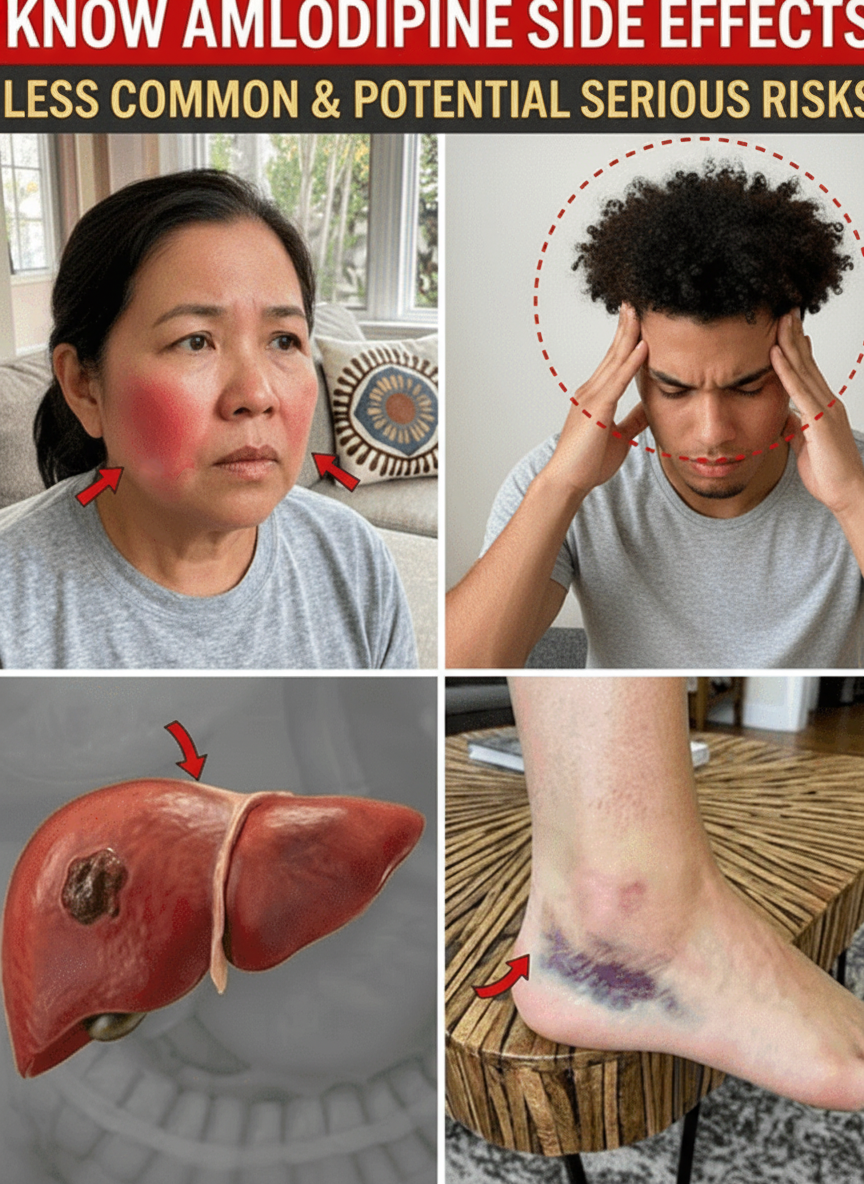
If you recently started amlodipine and experience occasional dizziness or mild headaches, you’re not alone. When blood vessels relax and blood pressure adjusts, your body sometimes needs time to adapt. During this adjustment phase, some individuals may experience:
- Lightheadedness when standing up quickly.
- A dull pressure headache.
- Temporary fatigue during the afternoon.
Studies in cardiovascular medicine suggest these symptoms often improve as the body stabilizes. However, for older adults, dizziness is a significant concern as it can increase the risk of falls. A simple precaution can make a big difference: before standing up from a chair or bed, pause for a few seconds. Allow your body to adjust slowly. This small routine can prevent many accidents.
Facial Flushing and Warm Skin
Some individuals notice their face becoming warm or red shortly after taking amlodipine – a reaction known as flushing. This happens because blood vessels near the surface of the skin widen slightly, increasing blood flow to the face. You might observe:
- Warm cheeks.
- Mild redness across the face.
- A brief sensation of heat.
This feeling usually fades within a short time. Interestingly, many people mistake flushing for embarrassment or stress when, in reality, it could simply be the medication working by widening blood vessels. If flushing becomes uncomfortable, drinking water and moving to a cooler environment often helps.
Digestive Changes
A smaller group of people taking amlodipine may report digestive changes, including:
- Mild nausea.
- Stomach discomfort.
- Occasional constipation.
The digestive system is sensitive to many medications due to its interaction with blood circulation and fluid balance. A practical tip often recommended by clinicians is to take your medication with food, which can sometimes help reduce stomach upset.
Your Role: A Smart Observer of Your Health
Recognizing these potential side effects isn’t about fear; it’s about empowerment. By understanding how amlodipine might affect your body, you become a proactive partner in your healthcare. Pay attention to any new or changing symptoms, no matter how subtle they seem, and always discuss them with your doctor. Open communication ensures that your treatment plan can be adjusted for your comfort and continued well-being, allowing you to manage your blood pressure effectively and safely.