 By admin
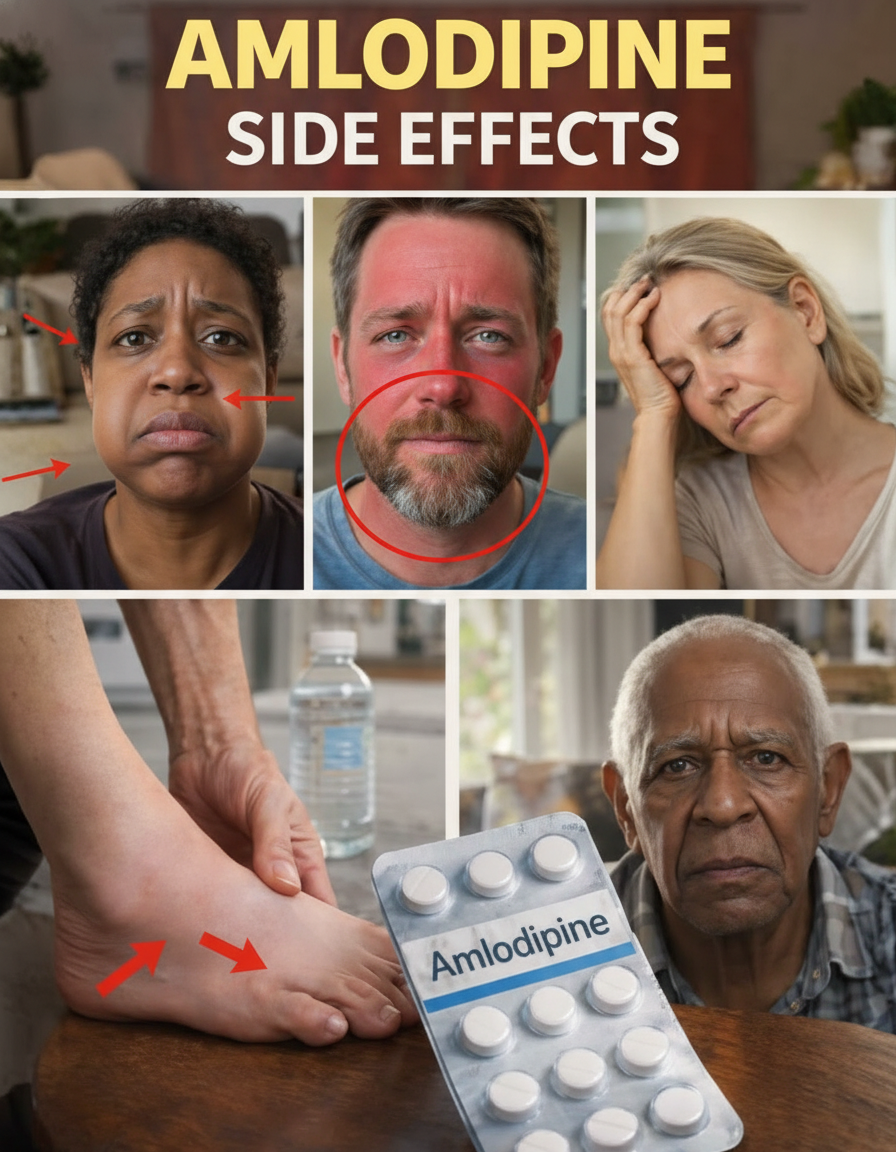
 Many individuals begin taking amlodipine to manage their high blood pressure, often anticipating a straightforward and effective treatment experience with this widely prescribed medication. However, after weeks or even months, some users start to notice unexpected and uncomfortable changes. These can range from persistent swollen ankles making movement difficult, to a pervasive sense of fatigue that drains their energy, or sudden bouts of dizziness during routine activities. While amlodipine remains a primary choice for blood pressure control, these real-world issues significantly impact daily comfort for a considerable number of its users.
Both clinical research and numerous patient testimonies indicate that while the drug is generally well-tolerated, certain side effects manifest more frequently in daily life than initial medical consultations might suggest. This article delves into 12 of the most commonly reported amlodipine side effects, drawing insights from official prescribing information, clinical trial outcomes, and shared patient experiences. Our aim is to equip you with a clearer understanding of what to monitor and when it’s crucial to consult your healthcare provider.
Why Amlodipine Side Effects Can Feel Unexpected
Amlodipine, a calcium channel blocker, functions by relaxing blood vessels, a mechanism highly effective in lowering blood pressure for millions. Yet, this very vasodilation can sometimes lead to gradual fluid shifts or other physiological responses within the body. Official studies, including the FDA prescribing information for amlodipine (e.g., Norvasc labeling), detail that side effects occur at varying rates, often correlating with dosage, with peripheral edema being one of the most frequently cited.
Real-world data, compiled from pharmacovigilance reports and direct patient feedback, highlights a greater awareness of specific complaints among users. These insights often prompt dose adjustments or even medication changes. While controlled trials report discontinuation rates due to intolerable symptoms around 1-3%, patient forums reveal that for some, these issues can be persistent and challenging. Being informed about these nuances empowers you to have more productive and informed discussions with your healthcare team.
Side Effect 1: Ankle and Leg Swelling (Peripheral Edema)
This symptom is consistently one of the leading reasons patients seek to modify their treatment. The vasodilation caused by amlodipine can lead to fluid accumulation in surrounding tissues, particularly in the lower legs and ankles. Clinical trials indicate an incidence of up to 10-15% at higher doses (like 10 mg), with a higher prevalence observed in women and older adults. Patients frequently describe sensations of tight shoes, noticeable puffiness that worsens in warm conditions or after prolonged standing, and discomfort that intensifies over time. While strategies such as elevating the legs, reducing salt intake, or adding a diuretic can offer some relief, complete resolution often requires a dosage adjustment or switching medication.
Side Effect 2: Persistent Fatigue and Low Energy
Many patients report feeling unusually depleted, even after adequate rest, ranking this high among common complaints. Although not always a primary finding in clinical trials (appearing in approximately 4-5% of some data sets), real-life accounts suggest it significantly impairs daily functioning. Potential causes may include effects on circulation or subtle systemic changes. Initially, individuals might attribute this fatigue to the natural aging process, only noticing an improvement after their amlodipine dose is altered or a different medication is prescribed.
Side Effect 3: Dizziness or Lightheadedness (Especially on Standing)
A sudden sensation of wooziness upon standing, medically termed orthostatic hypotension, affects 3-5% of individuals in studies, with higher rates at increased dosages. This can be disorienting and raises the risk of falls, particularly in elderly users. Simple measures like rising slowly from a seated or lying position and maintaining good hydration can help many, but persistent cases warrant a medical review.
Side Effect 4: Flushing or Warm Sensations
Experiencing a sudden warmth or redness, especially in the face and neck, is a direct result of blood vessel dilation. This is reported by 2-5% of users, typically early in their treatment. While it often diminishes over several weeks, it can be a source of self-consciousness in social environments.
Side Effect 5: Heart Palpitations or Awareness of Heartbeat
Some patients experience sensations of a racing or irregular pulse, occurring in 3-5% of those on higher doses. Though generally benign, these palpitations can induce anxiety. Monitoring by a healthcare professional can often provide reassurance.
Side Effect 6: Gum Overgrowth (Gingival Hyperplasia)
Though less common (reported in under 2-5% of cases), this side effect is quite distinct when it occurs: the gums swell or grow over the teeth. It is a known association with calcium channel blockers and often improves with rigorous oral hygiene, a reduction in dosage, or a change in medication. Regular dental check-ups are crucial for early detection.
Side Effect 7: Muscle or Joint Aches
Aches and pains in the shoulders, legs, or other joints can disrupt daily routines for some users (around 2-5%). These symptoms are often mistakenly attributed to arthritis, but they may subside with adjustments to amlodipine treatment.
Side Effect 8: Digestive Discomfort (Nausea, Abdominal Pain, or Reflux)
A smaller subset of users (2-5%) may experience mild stomach upset, nausea, abdominal pain, or acid reflux. For some, taking the medication with food or adjusting the timing of doses can offer relief.
Side Effect 9: Headaches (Often Early in Treatment)
Headaches are a relatively common side effect during the initial weeks of amlodipine therapy, affecting up to 7-8% of patients. These are typically mild to moderate and often resolve as the body adjusts to the medication. However, if headaches persist or become severe, it’s advisable to discuss them with a doctor.
Side Effect 10: Skin Rash or Itching
While not as frequent as other side effects, some individuals may develop a skin rash, itching, or other dermatological reactions. These can range from mild irritation to more noticeable skin changes. If you notice any unusual skin reactions, especially if accompanied by swelling or difficulty breathing, seek medical attention promptly as it could indicate an allergic response.
Side Effect 11: Sleep Disturbances (Insomnia)
For a certain percentage of amlodipine users, sleep patterns can be disrupted, leading to insomnia or difficulty falling and staying asleep. This can significantly impact overall well-being and energy levels during the day. If sleep disturbances become a persistent issue, discussing potential solutions or alternative medications with your healthcare provider is recommended.
Side Effect 12: Mood Changes (Anxiety or Depression)
Although less commonly reported, some patients have experienced mood alterations, including increased feelings of anxiety or symptoms akin to depression, while on amlodipine. While many factors can influence mood, it’s important to consider medication as a potential contributor if these changes coincide with starting amlodipine. Open communication with your doctor about any shifts in mood or mental health is crucial for comprehensive care.