 By admin
 Amlodipine Side Effects: 12 Crucial Reactions You Should Never Ignore
If you’re currently taking amlodipine to manage conditions like high blood pressure (hypertension) or chest pain due to angina, you likely appreciate its effectiveness in relaxing blood vessels and improving daily comfort. However, like most medications, amlodipine can come with a range of side effects. These can vary from minor inconveniences to more serious indicators that require immediate medical attention.
For instance, while mild swelling in your ankles or feet might initially seem trivial, persistent issues such as severe dizziness or unusual fatigue can significantly impact your quality of life and raise questions about the medication’s suitability. The way these side effects manifest differs widely among individuals; some may experience them briefly as their body adjusts, while others might find them more enduring.
The key to successful treatment lies in recognizing these reactions early and communicating openly with your doctor. Reputable health organizations like the Mayo Clinic, Drugs.com, and WebMD consistently report that while many amlodipine side effects are manageable, ignoring certain signs could potentially lead to more significant health problems.
In this comprehensive guide, we will delve into 12 important side effects of amlodipine that warrant your close attention. We’ll explain why they occur and provide practical advice on how to address them, ensuring you have the knowledge to discuss any concerns confidently with your healthcare provider.
Understanding Amlodipine: Why Do Side Effects Occur?
Amlodipine is a widely prescribed calcium channel blocker, primarily used for the treatment of hypertension and certain heart conditions. Its fundamental action involves relaxing and widening blood vessels, which in turn lowers blood pressure and reduces the workload on the heart. However, this systemic relaxation can sometimes extend to other parts of the body, leading to various side effects.
Common side effects often emerge early in the treatment course and frequently diminish as your body acclimates to the medication. Conversely, less common or rare reactions can be more concerning and may signal a need for medical review. Research, including data from FDA adverse event reports and clinical reviews, indicates that peripheral edema (swelling) is among the most frequently reported side effects, followed by dizziness and flushing. Yet, a deeper understanding reveals a broader spectrum of potential reactions.
1. Swelling in the Ankles, Feet, or Legs (Peripheral Edema)
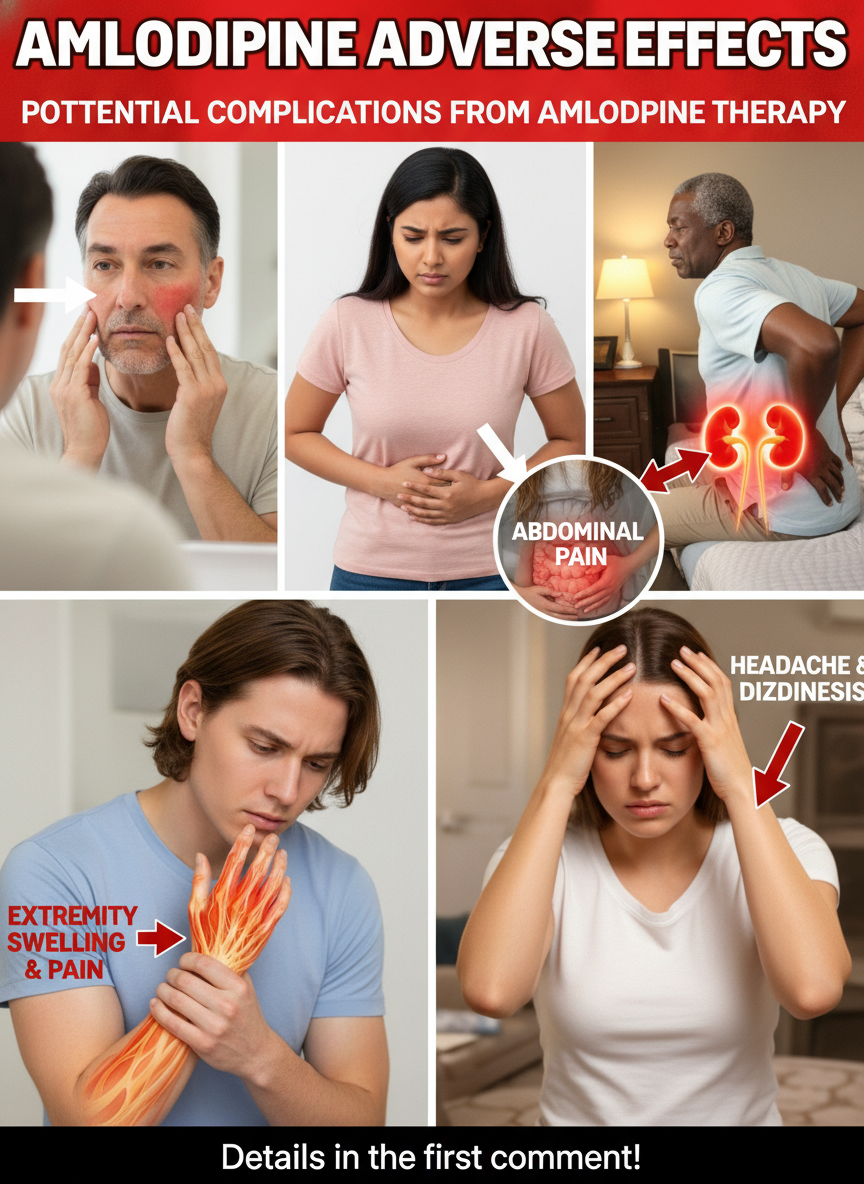
This is arguably one of the most frequently reported amlodipine side effects, affecting an estimated 10-15% of users, according to clinical data. The medication’s vasodilating action can sometimes lead to fluid accumulating in the lower extremities as blood vessels widen, allowing fluid to leak into surrounding tissues. While often starting mildly, this peripheral edema can become uncomfortable, making shoes feel tight or causing a heavy sensation during movement. If you experience sudden or severe swelling, it’s crucial to contact your doctor, as it could indicate an underlying issue beyond typical medication adjustment.
2. Dizziness or Lightheadedness
Feeling woozy, particularly when changing positions rapidly (e.g., standing up quickly), is a common reaction as amlodipine works to lower blood pressure. This phenomenon, known as orthostatic hypotension, can increase the risk of falls, especially in older adults. Many individuals find that staying well-hydrated and making slow, deliberate movements when changing positions can help alleviate these symptoms. However, persistent or severe dizziness warrants a consultation with your healthcare provider.
3. Flushing or Warmth in the Face
You might notice a sensation of warmth and redness, often described as flushing, in your face, neck, or chest. This occurs because amlodipine widens the blood vessels closer to the skin’s surface. While generally harmless and temporary, it can sometimes be an uncomfortable or self-conscious experience for certain individuals.
4. Fatigue or Unusual Tiredness
Some people report an unexpected increase in fatigue or a general feeling of being more exhausted than usual. This can be attributed to the body’s adjustment to the medication and changes in blood pressure. If this unusual tiredness lingers, intensifies, or significantly impacts your daily routine, it’s important to discuss it thoroughly with your healthcare provider, as it might also be related to other health factors.
5. Headache
Headaches are a common initial side effect when starting amlodipine treatment and often subside as your body adapts to the medication. Ensuring adequate hydration and getting sufficient rest can frequently help manage these. Nevertheless, severe, persistent, or worsening headaches should be brought to your doctor’s attention for evaluation.
6. Palpitations or Irregular Heartbeat
You might become more aware of your heartbeat, experiencing sensations such as pounding, fluttering, or skipped beats (palpitations). While many instances of palpitations are benign, any new onset or worsening of heart rhythm changes should prompt an immediate call to your doctor. This is particularly important if you have a history of heart conditions.
7. Nausea or Stomach Pain
Gastrointestinal disturbances, including nausea, abdominal discomfort, or indigestion, are reported by some amlodipine users. Eating smaller, more frequent meals or taking your medication with food can sometimes help alleviate these digestive symptoms.
8. Muscle Cramps or Stiffness
Occasional muscle issues, such as cramps or a feeling of stiffness, have been noted among individuals taking amlodipine. Incorporating gentle stretching exercises into your routine and maintaining a moderate level of physical activity can often make a positive difference in managing these muscular discomforts.
9. Drowsiness or Sleepiness
Feeling unusually drowsy or excessively sleepy during the day is a potential side effect. If amlodipine causes you to experience significant drowsiness, it is crucial to avoid driving or operating heavy machinery until this effect completely subsides to ensure your safety and that of others.
10. Gum Swelling or Changes (Gingival Hyperplasia)
In rarer cases, amlodipine can lead to an overgrowth of gum tissue, a condition medically known as gingival hyperplasia. Maintaining excellent oral hygiene practices and scheduling regular dental check-ups are essential steps for monitoring and effectively managing this specific, less common side effect.
11. Skin Rash or Itching
Mild skin rashes or itching may develop as a reaction to amlodipine. However, if a rash becomes severe, spreads rapidly, or is accompanied by other symptoms such as swelling (especially of the face, tongue, or throat), difficulty breathing, or dizziness, seek immediate medical advice. These could be signs of a serious allergic reaction requiring urgent intervention.
12. Chest Pain or Breathing Difficulties (Rare but Serious)
Although uncommon, the occurrence of new or worsening chest pain, shortness of breath, or a sensation of tightness in the chest are serious symptoms that demand immediate medical attention. These could indicate significant cardiac complications or other critical health concerns that require prompt evaluation by a healthcare professional.
Understanding and monitoring these potential side effects is a vital part of managing your health while on amlodipine. Always remember that your healthcare provider is your best resource for personalized advice and management strategies. Do not hesitate to report any new or concerning symptoms to them.