 By admin
 Managing high blood pressure (hypertension) with amlodipine can significantly ease concerns about fluctuating readings and discomfort. However, certain habits and combinations can profoundly impact its effectiveness and your overall well-being. Have you ever experienced unexpected dizziness after a meal or inconsistent blood pressure readings, leaving you uncertain about your daily routine? Understanding crucial precautions can empower you to achieve more stable and effective blood pressure control.
This comprehensive guide delves into evidence-based insights on common pitfalls to avoid when taking amlodipine, offering practical tips that many find invaluable. We’ll also conclude with a reflection on personalized care, ensuring you have a holistic understanding of safe blood pressure management.
🌿 Why Mindful Habits Are Essential When Taking Amlodipine
Dealing with erratic blood pressure readings that disrupt your day or bothersome side effects like swelling can be frustrating, especially when you’re diligently taking your daily medication. Amlodipine, a widely prescribed calcium channel blocker, works by relaxing blood vessels to improve blood flow. Yet, various factors can either intensify its blood pressure-lowering effects, potentially leading to unwanted lows, or diminish its overall efficacy. Reputable patient resources, including Mayo Clinic and Drugs.com, highlight these potential influences.
The constant worry about potential drug interactions or adverse reactions can add unnecessary stress for many users. Consulting healthcare professionals is crucial for navigating these complexities and ensuring a smoother treatment experience. The encouraging news is that a clear understanding of what to avoid can significantly enhance your peace of mind and contribute to better health outcomes.
🔬 Understanding Potential Interactions While On Amlodipine
Experiencing sudden drops in blood pressure, leading to lightheadedness, or persistent high readings despite adhering to your medication regimen can naturally heighten anxiety about your long-term health. Amlodipine undergoes metabolism primarily through the CYP3A4 enzyme system in the liver. This makes it particularly susceptible to interactions with substances that either inhibit (slow down) or induce (speed up) these enzymes, as detailed in reviews by Healthline and Medical News Today.
Overlooking subtle signals, such as persistent fatigue, could delay necessary adjustments to your treatment plan. Beyond specific substances, reliable sources consistently underscore the importance of open and honest communication with your doctor to receive personalized support and tailored advice for your unique health profile.
📊 Key Categories to Consider When Taking Amlodipine
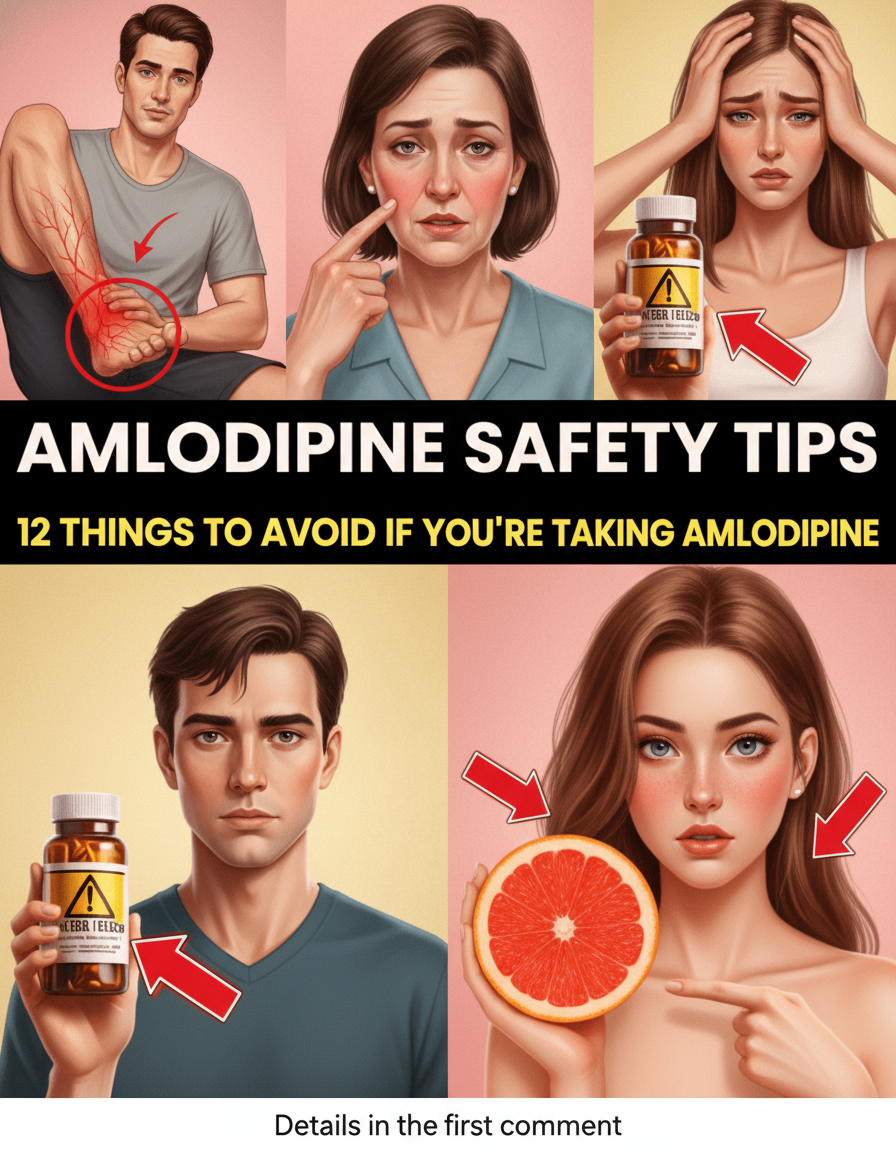
Are you concerned that everyday foods, drinks, or supplements might interfere with your amlodipine, potentially worsening side effects like dizziness? Here’s a breakdown of critical areas to consider, informed by clinical insights:
| Category | Potential Concern | Suggested Approach from Sources |
|---|---|---|
| Certain Fruits | May significantly increase amlodipine levels in the bloodstream. | Limit or avoid large quantities of grapefruit and grapefruit juice. Studies indicate variable but potentially significant impact on amlodipine concentrations. |
| Herbal Supplements | Could reduce amlodipine’s effectiveness or cause adverse reactions. | Always discuss St. John’s Wort with your doctor; it’s known to induce CYP3A4 enzymes, per Drugs.com, potentially lowering amlodipine levels. |
| Alcohol | Can lead to additive blood pressure-lowering effects. | Consume alcohol in moderation, if at all. Excessive intake can intensify dizziness, lightheadedness, and increase the risk of hypotension. |
| Other Medications | Diverse and complex interactions, potentially altering efficacy or increasing side effects. | Always consult your healthcare provider before starting any new prescription medications, over-the-counter drugs, or even seemingly innocuous remedies. |
This overview underscores why a proactive approach and careful checks are paramount when taking amlodipine, helping to alleviate fears of unintended consequences and ensure safer management.
💡 The Positive Impact of Mindful Amlodipine Use
Are you tired of the subtle unease from inconsistent blood pressure readings or side effects draining your energy for beloved activities? Adopting mindful habits when taking amlodipine can lead to a more stable and comfortable experience. By being aware and proactive, you can:
- Experience greater comfort and steadier readings, reducing daily anxiety.
- Actively monitor for serious signals like persistent swelling or chest pain, as advised by Mayo Clinic, enabling prompt action.
- Enjoy easier daily movement and fewer episodes of low blood pressure, restoring your routine and quality of life.
- Reduce overall worry, supporting holistic wellness through consistent medication management.
- Respond more calmly to daily stressors, knowing your blood pressure is better controlled.
- Minimize unexpected adverse reactions from medication or substance combinations.
- Build greater confidence in your long-term health management strategy.
It’s crucial to remember that individual responses to amlodipine vary, highlighting the indispensable role of professional medical input in tailoring your care.
🛠 Practical Steps for Safer Habits While Taking Amlodipine
Worried about how a heatwave might exacerbate fatigue or how a missed dose could disrupt your blood pressure balance? Cultivating mindfulness around your amlodipine regimen involves several key, practical steps. Here are 12 critical things to avoid or manage for safer and more effective blood pressure control:
- Avoid Adding New Medications Without Guidance: Never combine amlodipine with new prescriptions, over-the-counter drugs, or even herbal remedies without first consulting your doctor. Amlodipine interacts with many substances, often via the CYP3A4 enzyme system, risking amplified or diminished effects.
- Avoid Large Amounts of Grapefruit or Grapefruit Juice: Your favorite morning juice could significantly boost amlodipine levels, increasing the risk of side effects. Opt for moderation or alternative beverages.
- Avoid St. John’s Wort Supplements: While appearing natural, this herbal supplement can reduce amlodipine’s effectiveness by inducing liver enzymes. Always check with your healthcare professional before taking any herbal products.
- Avoid Excessive Alcohol Intake: Alcohol can intensify the blood pressure-lowering effects of amlodipine, leading to additive hypotension, dizziness, and lightheadedness. Moderate consumption is key, or avoid altogether if advised by your doctor.
- Avoid Ignoring Persistent Side Effects: Do not dismiss ongoing or worsening side effects such as swelling, persistent fatigue, or unusual heart palpitations. Report them promptly to your doctor, as they may indicate a need for dosage adjustment or alternative treatment.
- Avoid Doubling Up on Missed Doses: If you miss a dose, take it as soon as you remember. However, if it’s almost time for your next scheduled dose, skip the missed one and continue with your regular schedule. Never double your dose to compensate, as advised by Mayo Clinic, to prevent potential overdose.
- Avoid Abruptly Stopping Medication: Never discontinue amlodipine suddenly without your doctor’s approval. Abrupt cessation can lead to a dangerous rebound in blood pressure, increasing the risk of cardiovascular events. Plan refills to ensure a continuous supply.
- Avoid Dehydration, Especially in Heat: Amlodipine, as a vasodilator, can make you more sensitive to dehydration. Stay well-hydrated, particularly during hot weather or strenuous activity, to prevent excessive drops in blood pressure.
- Avoid Irregular Blood Pressure Tracking: Consistent monitoring of your blood pressure is crucial. Regularly track your readings and share them with your doctor to help assess the medication’s effectiveness and make informed adjustments.
- Avoid Withholding Information About Other Medical Conditions: Always inform your healthcare providers about all existing medical conditions, especially liver issues, as these can affect how amlodipine is processed in your body and may require dosage adjustments.
- Avoid Ignoring Signals of Potential Interactions: Pay attention to any new or unusual symptoms, such as unexplained fatigue, changes in heart rate, or dizziness, which could signal an interaction or an adverse reaction. Open communication with your doctor is vital.
- Avoid Self-Diagnosis and Relying Solely on Unverified Information: While researching your condition is commendable, avoid making medical decisions based on unverified online sources or anecdotal evidence. Always prioritize professional medical advice tailored to your specific health needs.
Many individuals find that integrating these steps significantly eases concerns about taking amlodipine daily. While seemingly straightforward, healthcare sources consistently emphasize their profound importance for safe and effective blood pressure management.