 By admin
 Amlodipine in Seniors: Unmasking 12 Subtle Side Effects Often Overlooked
A recent conversation with an elderly patient underscored a critical point: the subtle effects of long-term medications can often go unnoticed. Despite diligently taking his daily blood pressure medication for years, this gentleman found his shoes feeling unusually tight and his energy levels steadily declining. Initially attributing these changes to the natural process of aging, he eventually couldn’t ignore the escalating swelling and the profound fatigue that began to impede his daily routine. Such scenarios are far more common than many realize, highlighting how medication-related changes can subtly manifest, often mistaken for other issues.
Understanding what your body might be signaling is crucial, as it can significantly alter the dialogue you have with your healthcare provider. Notably, one particular symptom discussed later in this article frequently surprises even long-term users of amlodipine.
Many older adults across the globe rely on amlodipine to effectively manage blood pressure and support overall heart health. While often described in medical literature as ‘well-tolerated,’ both research and patient accounts suggest that certain side effects may occur more frequently than anticipated. However, it’s vital to remember: recognizing potential signals does not mean discontinuing your medication. Instead, it empowers you to identify changes early, enabling a calm and confident discussion with your doctor. Let’s explore some of the most commonly overlooked reactions reported by patients.
Swollen Ankles and Legs: A Common Early Indicator for Many Seniors
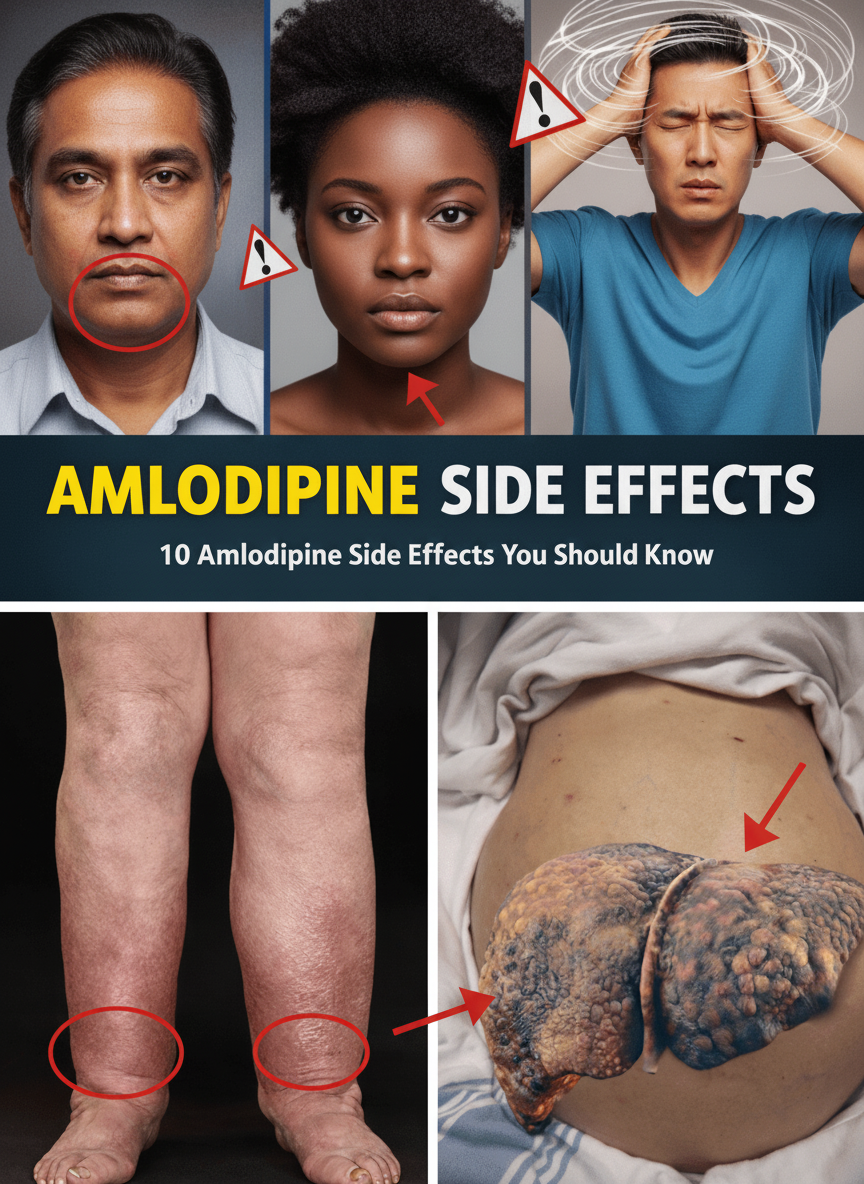
One of the most frequently discussed reactions associated with amlodipine is swelling in the feet or ankles, medically known as peripheral edema. For many older adults, this begins subtly. Patients might first notice their shoes feeling tighter or socks leaving deeper, more persistent indentations on their skin. Walking can gradually feel heavier or more cumbersome than usual. Research published in prominent cardiovascular medicine journals indicates that noticeable swelling can affect a significant portion of patients, particularly when on higher doses of the medication.
Why Does Peripheral Edema Occur with Amlodipine?
Amlodipine, a calcium channel blocker, works by relaxing and widening blood vessels to improve circulation and lower blood pressure. In some individuals, this vasodilation can cause fluid to accumulate in nearby tissues, especially in the lower extremities due to gravity. Here are common signs patients often describe:
- Ankles appearing puffy, especially towards the end of the day.
- Shoes that suddenly feel uncomfortably snug.
- A sensation of heavy or tired legs after periods of standing.
It’s important to note that while this swelling is typically not dangerous, it can significantly impact mobility and comfort. This is why many physicians encourage patients to report it promptly rather than simply enduring it. Beyond visible fluid retention, another common yet often dismissed symptom is a persistent dip in energy levels.
Unexpected Fatigue or Low Energy: More Than Just ‘Getting Older’
Have you ever experienced an unusual sense of tiredness, even after what felt like a restful night’s sleep? Some patients report a gradual, persistent drop in energy after starting blood pressure medication. This change can be incredibly subtle at first. What used to be a brisk walk around the neighborhood might turn into an urge to rest more frequently. Hobbies like gardening for hours might be cut short earlier than usual. Clinical observations suggest that fatigue may affect a small but notable percentage of users.
Understanding Medication-Related Fatigue
The exact reason for this fatigue isn’t always clear. Shifts in blood pressure, changes in circulation dynamics, and individual sensitivities to the medication can all play a role. Here’s a crucial point worth remembering: fatigue caused by medication can easily be misattributed to the normal aging process. This is precisely why doctors often advise patients to actively track any significant changes in their energy levels after beginning or adjusting their prescriptions. But energy isn’t the only change some people notice; maintaining balance is another key concern for older adults.
Dizziness or Lightheaded Moments: A Fall Risk for Older Adults
Dizziness is another effect occasionally reported with various blood pressure medications. For older adults, this symptom carries particular weight because balance and the risk of falls become increasingly critical with advancing age. Some patients describe transient moments such as:
- Feeling briefly lightheaded when transitioning from sitting or lying to standing.
- A mild sensation that the room is slightly spinning or swaying.
- Subtle imbalance or unsteadiness while walking.
Research indicates that dizziness may occur in a small percentage of patients, particularly if blood pressure drops more significantly than intended. However, this does not imply the medication is unsafe. Instead, it underscores the importance of monitoring symptoms and discussing them during routine checkups, allowing doctors to adjust treatment as needed. Surprisingly, the next side effect often has no direct connection to blood pressure regulation at all.
Changes in the Gums: An Unexpected Oral Health Concern
This next effect often catches patients by surprise, as it seems unrelated to cardiovascular health. Some individuals taking certain blood pressure medications, including specific calcium channel blockers like amlodipine, may notice changes in their gums over time. Dentists refer to this condition as gingival overgrowth or gingival hyperplasia. It may manifest as:
- Gums appearing thicker or swollen around the teeth.
- Increased difficulty with flossing between teeth due to gum tissue enlargement.
- Gum tissue covering more of the tooth surface than usual.
Dental research has well-documented this effect in a small percentage of people using certain calcium channel blockers. Fortunately, excellent oral hygiene practices can often help mitigate the impact. Dentists frequently recommend:
- Regular professional dental cleanings.
- Consistent and gentle daily flossing.
- Routine dental examinations to monitor changes.
But gum changes are not the only unusual reaction reported. Let us talk about the signals rel