 By admin
 Introduction: Navigating a Heart Attack When You’re Alone
Experiencing a heart attack when completely alone is a frightening and overwhelming scenario. The sudden chest pressure, radiating pain, and difficulty breathing can trigger intense panic. However, in these critical moments, knowing precisely what to do can dramatically improve your outcome. This guide outlines five essential, immediate steps designed to empower you to respond calmly and effectively until professional medical help arrives. Stick with us, as we’ll also reveal a crucial, often-overlooked detail that ensures rapid assistance.
1. Recognize the Symptoms Instantly
The first and most vital step is to accurately identify what’s happening. A heart attack frequently manifests as a squeezing, pressure, or fullness in the center of your chest. However, symptoms can vary widely. Pain might spread to your left arm, neck, jaw, back, or even your stomach. You could also experience:
- Chest pressure or pain
- Pain spreading to arms, neck, jaw, or back
- Shortness of breath
- Cold sweating
- Nausea or vomiting
- Dizziness or lightheadedness
- A sudden, intense feeling of anxiety or impending doom
Notably, women may experience more subtle signs such as unusual fatigue, nausea, or back pain. Do not dismiss these symptoms; swift recognition is paramount.
2. Call Emergency Services Immediately
If you suspect you’re having a heart attack, dial your local emergency number (e.g., 911 in many regions) without hesitation. Clearly describe your symptoms and your precise location to the dispatcher. Crucially, do NOT attempt to drive yourself to the hospital. This is extremely dangerous, as your symptoms can worsen rapidly, jeopardizing your safety and that of others. Emergency responders are trained and equipped to provide immediate, life-saving care on the scene and ensure safe transport. The sooner they are contacted, the better your chances of a positive outcome.
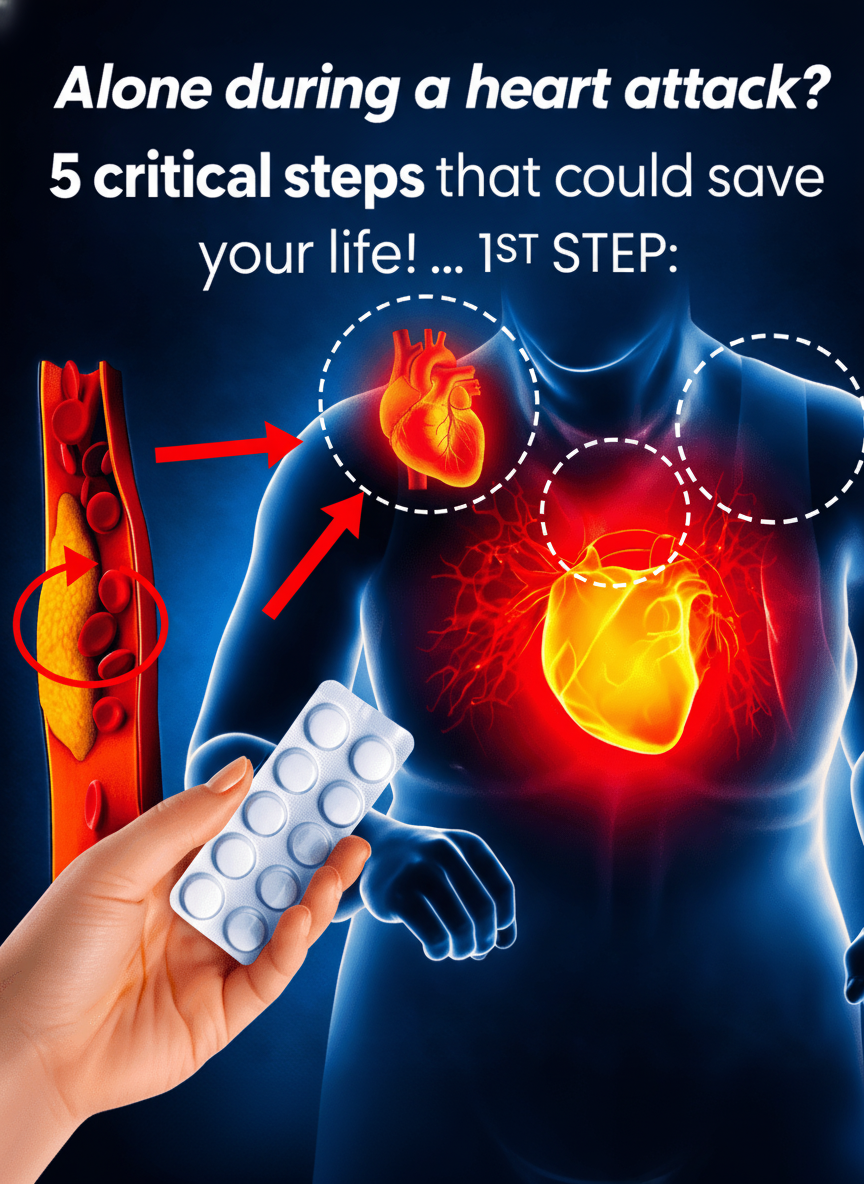
3. Stay Calm and Position Yourself
While awaiting help, minimizing strain on your heart is essential. Try to remain as calm as possible; panic can increase your heart’s workload. Sit or lie down in a comfortable position, ideally with your head slightly elevated. Focus on slow, deep breaths to manage anxiety and conserve energy. Avoid any unnecessary movement or physical exertion. Simply staying still and breathing steadily can make these waiting minutes more manageable and beneficial for your heart.
4. Consider Aspirin (If Appropriate)
If you have access to aspirin and are not allergic, nor have you been advised against it by a doctor, consider chewing one or two low-dose (81 mg each) non-enteric-coated aspirin tablets. Chewing allows for faster absorption into your bloodstream, which can help thin the blood and limit clot size. Always confirm with the emergency dispatcher if this step is suitable for your specific situation. Aspirin is not appropriate for everyone, especially those with bleeding disorders, stomach ulcers, or other specific medical conditions. Prioritize professional guidance.
5. Prepare for Responder Arrival
This is the often-overlooked, yet critical, fifth step. Once you’ve called for help, take proactive measures to prepare for the emergency responders. If possible and safe to do so, unlock your front door to prevent delays for paramedics trying to gain entry. If you can, move to a location near the door or where you can be easily seen. If feasible, have any relevant medical information (such as a list of medications, allergies, or existing conditions) readily available. These small actions can save precious minutes and ensure you receive immediate attention upon their arrival.