 By admin
 In our fast-paced contemporary lives, many individuals frequently encounter issues like dry, irritated skin, occasional digestive upset, and a universal desire for straightforward, natural solutions to enhance their daily well-being. These prevalent concerns can lead to discomfort and a quest for gentle, proven remedies that seamlessly integrate into existing routines.
Centuries ago, ancient civilizations unearthed an extraordinary botanical marvel that effectively addressed these very challenges. Today, scientific inquiry continues to delve into its remarkable potential. This is where aloe vera, a succulent plant long celebrated for its potent soothing properties, takes center stage. The ancient Egyptians revered it so profoundly that they bestowed upon it the moniker, “the plant of immortality,” integrating it deeply into their beauty and health rituals. But what precisely endows this unassuming plant with such unique qualities, and how can it contribute to your holistic health today? Continue reading to discover its multifaceted benefits, including a surprising traditional use that you can safely explore at home.
The Enduring Legacy: Why Ancient Egyptians Called Aloe Vera the “Plant of Immortality”
Aloe vera boasts a rich heritage spanning thousands of years. Historical records from ancient Egypt, dating back to approximately 1550 BC, meticulously detail its various applications. The plant earned its renowned title, “the plant of immortality,” due to the widespread belief that it fostered longevity, vitality, and eternal beauty. Legends suggest that influential figures like Queen Cleopatra incorporated aloe into their elaborate beauty regimens to maintain exceptionally smooth and hydrated skin.
This wasn’t merely ancient folklore. Traders facilitated the spread of aloe across vast continents, from its origins in Egypt to Greece and beyond, where it swiftly became a cornerstone in diverse traditional healing practices. Today, aloe vera thrives in warm climates worldwide, and its distinctive gel-filled leaves remain a highly sought-after component for natural wellness support. However, history only paints a partial picture. Let’s explore what contemporary scientific understanding reveals about this incredibly versatile plant.
Understanding Aloe Vera’s Unique Composition
The remarkable efficacy of aloe vera stems from its leaves, which are composed of two primary, distinct parts:
- The Clear Inner Gel: This translucent substance, found in the leaf’s core, is exceptionally rich in water, beneficial polysaccharides, essential vitamins (such as C and E), vital minerals, and a complex array of enzymes.
- The Latex (Yellowish Sap): Situated just beneath the rind, this yellowish fluid contains compounds like aloin, which has historically been utilized for its stimulating effects.
The vast majority of the therapeutic benefits people associate with aloe vera are derived from the gentle inner gel, which has been extensively studied for both topical application and occasional internal consumption. Research indicates that the gel’s polysaccharides play a crucial role in moisture retention and supporting the body’s intrinsic physiological processes. Furthermore, the plant’s natural antioxidants actively combat everyday oxidative stress, which can result from factors like sun exposure or environmental pollution.
Aloe Vera’s Role in Promoting Radiant Skin Health
One of the most widely recognized and cherished applications of aloe vera is its profound impact on skin health. Many individuals directly apply the pure gel to foster a healthy, vibrant complexion. Clinical research and reputable health reviews, including insights from institutions like the Mayo Clinic, suggest that applying aloe vera gel can significantly help soothe minor burns, accelerate the healing process for small cuts and abrasions, and alleviate irritation associated with common conditions such as acne or excessive dryness.
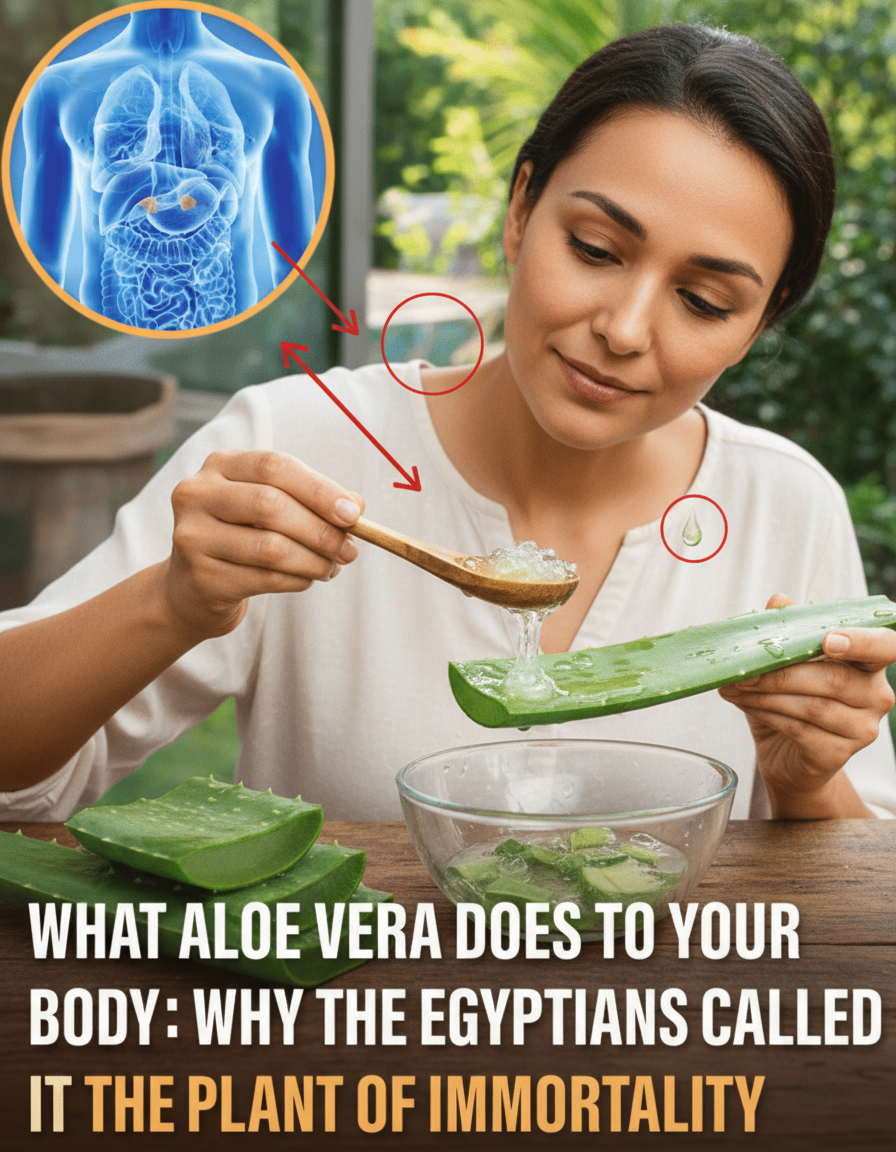
For instance, some studies have demonstrated its capacity to expedite recovery in first- and second-degree burns by maintaining optimal moisture levels in the affected area. Regular use of aloe vera can:
- Naturally hydrate dry and parched skin.
- Calm redness and discomfort after prolonged sun exposure.
- Contribute to a smoother, more even skin texture.
These remarkable properties make it an indispensable ingredient in natural skincare routines – a testament to why even Cleopatra reportedly relied on its powers! Yet, its advantages extend far beyond skin deep.
Digestive Comfort: The Internal Benefits of Aloe Vera
Aloe vera has long been heralded for its positive influence on gut wellness. The inner gel contains specific compounds that can gently support and optimize digestive function. Preliminary studies indicate that consuming small, appropriate amounts of properly prepared aloe vera juice may assist in maintaining regular bowel movements and easing occasional gastrointestinal discomfort. Some research also suggests it could positively modulate gut bacteria and provide mild soothing effects throughout the digestive tract.
However, it is paramount to select products that specifically exclude the latex component, as excessive consumption of this part can lead to cramping and other adverse effects. Here’s a brief overview of common aloe vera forms and considerations:
- Pure Inner Leaf Gel: This is the gentle form, frequently used in high-quality juices or for direct topical application.
- Whole Leaf Extracts (with Latex): These formulations possess stronger effects but carry a higher risk of side effects; long-term use should be avoided.
- Commercial Aloe Juices: Always scrutinize labels for terms like “inner leaf” or “decolorized” to minimize any potential risks from the latex.
Many users consistently report feeling lighter and more comfortable after incorporating a modest daily amount of inner leaf aloe vera into their diet.
Beyond Skin and Digestion: Other Wellness Applications of Aloe Vera
In addition to its well-documented benefits for skin and digestion, ongoing research is exploring several other promising areas where aloe vera might contribute to everyday wellness:
- Blood Sugar Support: Some smaller studies suggest that aloe gel, when integrated into a balanced dietary regimen, may help in maintaining healthy glucose levels.
- Oral Health: The natural antimicrobial properties of aloe can contribute to fresher breath and help soothe minor irritations within the mouth.
- Immune and Anti-inflammatory Effects: Specific compounds present in the plant have demonstrated potential for immune modulation and possess anti-inflammatory properties, supporting the body’s natural defense mechanisms.
From its ancient Egyptian reverence as the “plant of immortality” to its modern applications in skincare, digestive health, and emerging wellness areas, aloe vera continues to prove its enduring value. By understanding its unique composition and choosing appropriate forms, you can safely harness the timeless benefits of this remarkable succulent for a healthier, more vibrant life.