 By admin
 Alcohol and Your Liver: A Detailed Recovery Timeline
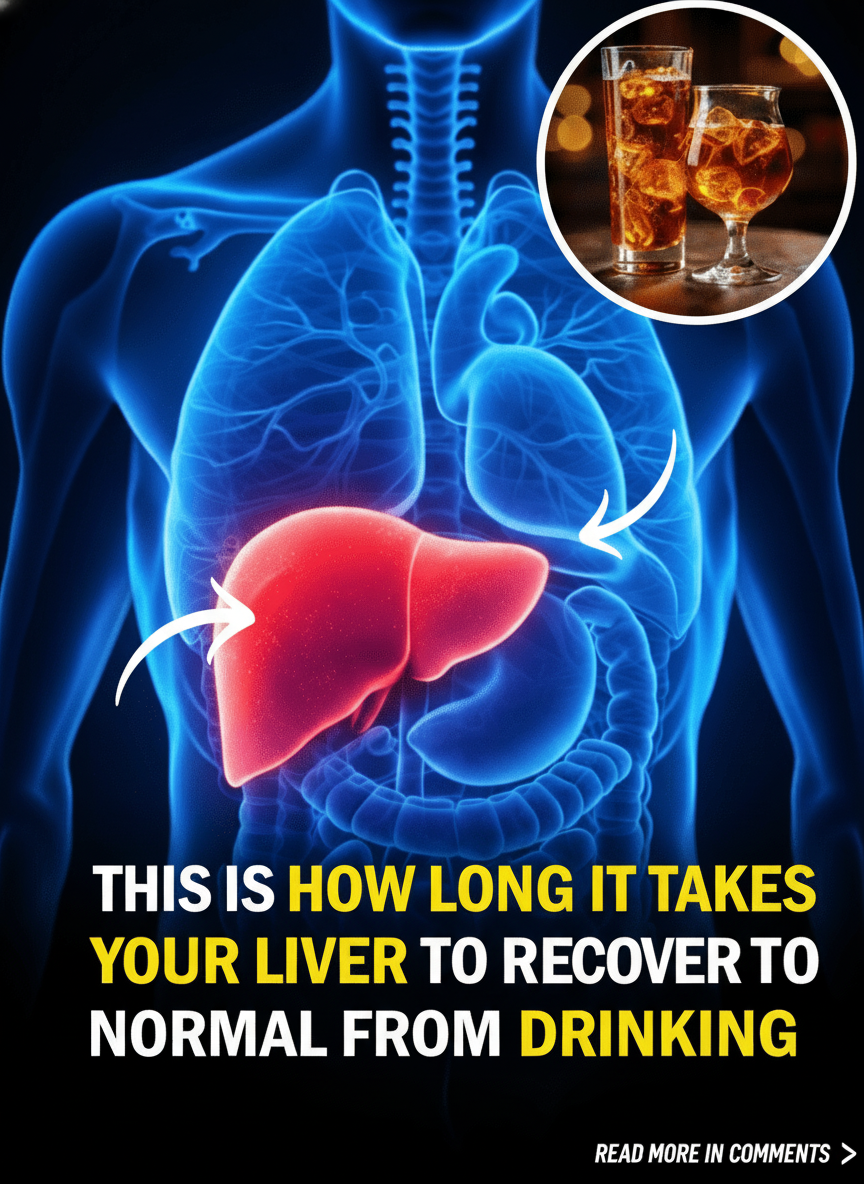
Many of us have experienced the lingering worry after a night out: the fatigue, bloating, and underlying concern about alcohol’s long-term impact on our health. The good news is, your liver is an incredibly resilient organ. It begins its remarkable healing process almost immediately once you stop drinking. This article details the timeline of your liver’s recovery and what changes you can expect.
The First 24 Hours: Immediate Relief Begins
Your liver is a vital organ, performing over 500 functions daily—from detoxification to fat breakdown and energy storage. When alcohol is present, it prioritizes processing this toxin, diverting resources from its regular, crucial roles. Within the first 24 hours of your last drink, your liver experiences an immediate sense of relief. It shifts from emergency mode back to normal operations. Inflammation markers begin to drop, and liver cells can refocus on their essential tasks rather than damage control. While you may not feel dramatically different externally, internally, the healing process has already commenced. Blood flow improves, cellular stress decreases, and your liver starts initiating natural repair mechanisms.
The First Week: Noticeable Improvements Emerge
By the end of the first week, your liver has made measurable progress. Inflammation continues to subside significantly, leading to a lighter feeling in your body. Liver enzyme levels, often elevated by alcohol, begin to trend downward, easing internal strain. You may notice subtle improvements in digestion and energy levels. A significant benefit often observed is improved sleep quality, as your liver no longer works overtime processing alcohol at night. This period can feel like a gentle reset, with many reporting reduced bloating as fluid balance normalizes. Consistency in abstaining from alcohol during this week is crucial for sustained recovery.
Weeks 2 to 4: Significant Transformation Takes Shape
This period often brings substantial improvements. For individuals with early-stage fatty liver due to alcohol, studies from reputable sources like the Cleveland Clinic and NIH indicate that excess fat can largely clear within two to three weeks of abstinence. The persistent fatigue and discomfort begin to fade as your liver restores its efficient function. Blood tests frequently show normalized markers by the one-month point, highlighting the body’s remarkable capacity for recovery. Inflammation further decreases, and energy levels notably rise as the liver no longer expends resources on toxin elimination. You might also observe visible benefits such as clearer skin and a more stable mood. However, it’s vital to remember that individual recovery varies, making consultation with a healthcare professional essential.
Beyond One Month: Sustained Healing and Long-Term Health
After the initial month, the liver continues its deeper healing and regeneration processes. With sustained abstinence, the liver can further repair cellular damage, improve overall function, and significantly reduce the risk of more severe alcohol-related liver diseases. The benefits extend beyond the liver, impacting overall well-being, mental clarity, and long-term health. While the liver is incredibly resilient, consistent alcohol avoidance is the most crucial factor in ensuring its full and lasting recovery. Always consult a doctor for personalized advice on your health journey.