 By admin
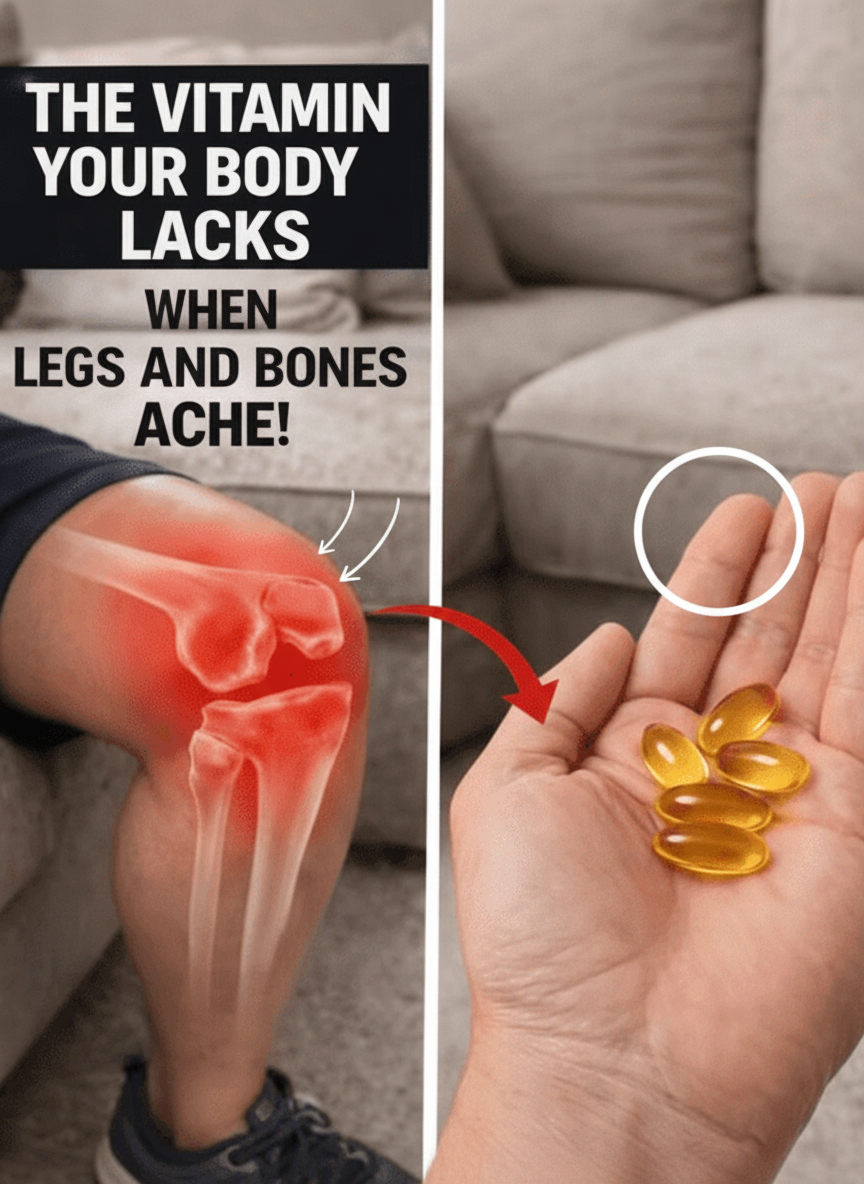
 Aging Aches: The Silent Vitamin D Deficiency Many Adults Overlook
That familiar twinge in your knees or the dull ache in your legs after standing up is a common experience as we age. Often, we dismiss it as “just a part of getting older.” While aging certainly plays a role, research suggests that a surprisingly prevalent nutritional gap might be silently contributing to this discomfort. The good news? Simple, daily habits can significantly support stronger bones and more comfortable movement.
Why Bone and Joint Discomfort Increases with Age
Many older adults describe similar sensations: persistent leg aches, morning stiffness, or a feeling of weakness during longer walks. These minor discomforts can gradually impact mobility, sleep quality, and confidence.
Our bones are dynamic structures, constantly breaking down old tissue and rebuilding new. For this vital renewal process, the body requires specific nutrients to absorb essential minerals like calcium and phosphorus. One of the most critical is Vitamin D.
Vitamin D plays a key role in helping your body absorb calcium and phosphorus, both indispensable for maintaining bone strength. Without sufficient Vitamin D, bones can become weaker and more sensitive. Verywell Health highlights this crucial link.
Older adults are particularly susceptible to low Vitamin D levels because their skin becomes less efficient at producing it from sunlight. Beyond this, several everyday factors contribute to the risk:
- Reduced time spent outdoors
- Consistent use of heavy sun protection
- Diets low in Vitamin D-rich foods
- Decreased nutrient absorption with age
When these factors combine, a “silent” Vitamin D gap can emerge, often manifesting as subtle aches rather than dramatic symptoms.
Subtle Signs of a Potential Vitamin D Deficiency
Unlike some nutrient shortages with obvious symptoms, Vitamin D deficiency can be insidious. The body can function with low levels for a long time before clear warning signs appear. However, certain subtle clues are frequently reported:
- Persistent aching in legs or lower back
- Muscle weakness, especially when climbing stairs
- Unusual fatigue or low energy levels
- Increased bone sensitivity or tenderness
- Slower recovery after physical activity
Researchers indicate that inadequate Vitamin D levels impair the body’s ability to absorb calcium, potentially affecting bone density and muscle strength over time. It’s important to remember that these symptoms can stem from various causes, including normal aging or other health conditions. Therefore, health professionals emphasize awareness and consulting a doctor rather than self-diagnosis. Noticing these patterns, however, can prompt healthier lifestyle choices.
Everyday Sources of the “Sunshine Vitamin”
Vitamin D is famously known as the “sunshine vitamin” because our skin produces it when exposed to sunlight. However, sunlight isn’t the only source. Many foods naturally contain Vitamin D or are fortified with it:
Foods Naturally Rich in Vitamin D:
- Fatty fish: Salmon, sardines, mackerel, tuna
- Egg yolks: A moderate source
- Cod liver oil: A potent source
- Mushrooms: Especially those exposed to UV light
Foods Commonly Fortified with Vitamin D:
- Milk and many dairy products
- Plant-based milk alternatives (almond, soy, oat milk)
- Breakfast cereals
- Certain brands of orange juice
Here’s a quick overview:
| Food Source | Vitamin D Contribution |
|---|---|
| Fatty Fish | One of the richest natural sources |
| Egg Yolks | Moderate levels |
| Mushrooms | Small amounts, varies by sun exposure |
| Fortified Milk/Cereals | Added Vitamin D during processing |
| Sunlight | Major natural source for most people |
Simple Daily Habits for Stronger Bones and Comfort
Despite these sources, many adults still don’t meet the recommended daily intake of Vitamin D through diet alone. Supporting healthy Vitamin D levels and bone comfort requires a holistic approach:
- Embrace Sunlight Safely: Short, regular periods of sun exposure (e.g., 10-15 minutes a few times a week, depending on skin type and location) can boost Vitamin D production. Always prioritize sun safety to prevent skin damage.
- Diversify Your Diet: Regularly include Vitamin D-rich foods and fortified products in your meals.
- Consider Supplementation: If dietary intake and sun exposure are insufficient, a Vitamin D supplement may be beneficial. It’s crucial to discuss this with your doctor to determine the appropriate dosage for your needs. This is often the “most important tip” many adults overlook – getting personalized advice.
- Stay Active: Weight-bearing exercises help strengthen bones and muscles, further supporting overall mobility and reducing discomfort.
Don’t let aches become an inevitable part of aging. By understanding the role of Vitamin D and adopting simple habits, you can take proactive steps towards maintaining bone health and enjoying greater comfort and mobility for years to come.