 By admin
 As the appearance of gray hair becomes more prominent with advancing age, many individuals actively seek out natural solutions to chemical hair dyes, which can often be harsh. A particularly noteworthy trend gaining traction involves the use of activated charcoal—a naturally deep black ingredient widely incorporated into skincare and hair detoxification products. But the crucial question remains: can activated charcoal genuinely make gray hair appear darker? We will delve into what both scientific insights and practical experiences reveal about this popular claim.
🌿 What Is Activated Charcoal?
Activated charcoal is a highly absorbent form of carbon, produced by subjecting natural substances like coconut shells or bamboo to intense heat. This specialized process creates an intricate network of microscopic pores, enabling the charcoal to effectively draw out impurities and excess oils—a characteristic that makes it highly valued in a variety of applications, including skincare, internal detox regimens, and hair care formulations.
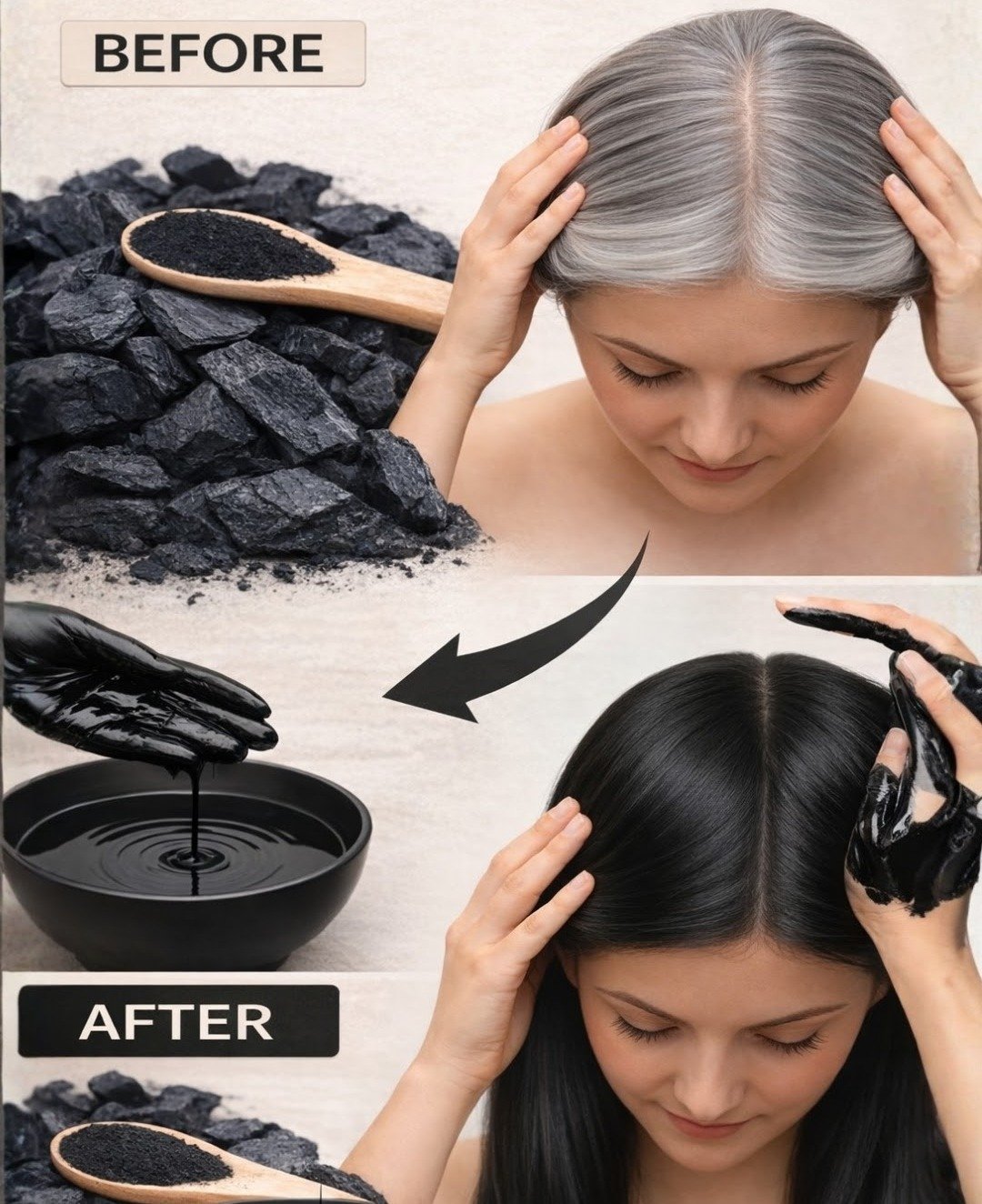
To put it simply: Yes, but only in a temporary and superficial way. The intensely dark pigment of activated charcoal can adhere to hair strands, particularly those that are gray or lighter in color, creating the appearance of darker hair for a brief period. It does not, however, address the underlying biological cause of gray hair, which is the loss of melanin, nor does it function as a penetrating dye that permanently alters the hair shaft.
What to Expect
-
Cosmetic darkening: Charcoal particles can lightly coat gray hairs, imparting a slightly darker shade that typically lasts until the next time you wash your hair.
-
No permanent color change: This ingredient will not halt or reverse the natural process of hair graying.
-
Varies by hair type: The visual effect is generally more pronounced on hair that is lighter in color and finer in texture, as opposed to thick, dark hair.
👍 Other Hair Benefits of Activated Charcoal
While activated charcoal does not serve as a true hair dye, it offers several notable advantages for scalp and hair health, which are supported by various studies:
1. Deep Cleanses Scalp and Hair
Activated charcoal effectively draws out and absorbs excess sebum, accumulated dirt, and product residue from the scalp. This action leaves hair feeling notably cleaner and lighter, helping to mitigate greasiness and potentially contributing to increased hair volume.
2. Reduces Dandruff and Itchiness
Thanks to its potent detoxifying capabilities, charcoal aids in the removal of buildup that can lead to flakes, and it may also provide soothing relief for an oily or irritated scalp.
3. Promotes a Healthier Scalp Environment
A thoroughly cleansed and well-balanced scalp fosters stronger hair roots and a refreshed sensation, which can indirectly enhance the overall appearance and vitality of your hair.
🧴 How to Use Activated Charcoal for Hair
Here are some popular methods people employ to integrate activated charcoal into their regular hair care regimen:
-
Charcoal Hair Mask: Combine activated charcoal powder with a carrier like coconut oil or aloe vera to formulate a mask. Apply this mixture to your hair and scalp, allow it to sit for 10–20 minutes, then rinse thoroughly.
-
Charcoal-Infused Shampoo: Opt for commercially available shampoos that are specifically formulated with activated charcoal to ensure a purifying and cleansing effect on the scalp.
💡 Tips: Always conduct a patch test on a small section of hair first. Be aware that charcoal can potentially stain clothing, and overuse might lead to dryness, especially in very fine or chemically treated hair.
⚠️ Realistic Expectations
Activated charcoal can indeed help gray hair appear less conspicuous for a brief duration, but it is not a viable substitute for professional hair dyes or dedicated color treatments. Its primary strengths lie in its ability to detoxify the hair and scalp, rather than permanently altering hair color.
🧠 Bottom Line
Activated charcoal holds a valuable place in natural hair care routines, primarily for its capacity for deep cleansing, promoting scalp health, and offering a temporary cosmetic darkening effect on gray hair. However, if your goal is a long-lasting and significant change in hair color, traditional chemical dyes or plant-based coloring agents remain the more dependable options.