 By admin
 Stroke stands as a formidable global health challenge, ranking among the foremost causes of death and severe long-term disability. Despite its prevalence, a concerning number of individuals fail to identify the critical early warning signs until irreversible damage has occurred. Stroke symptoms often emerge abruptly, subtly, and without accompanying pain, making them deceptively easy to overlook amidst the demands of daily life. That fleeting moment of uncertainty – “Could this just be tiredness?” – can tragically squander vital time, impacting recovery outcomes.
However, there’s a powerful tool at your disposal. This comprehensive guide is designed to empower you with the knowledge to swiftly recognize the indicators of a stroke. By understanding these crucial signals, you’ll be equipped to react promptly, potentially safeguarding brain function and even saving a life. Let’s dive into what you need to know.
Understanding Stroke: The Brain’s Critical Crisis
A stroke, medically termed a cerebrovascular accident (CVA), is a severe medical emergency that arises when the blood supply to a section of the brain is either interrupted or significantly diminished. This deprivation means brain cells are starved of essential oxygen and vital nutrients, leading to rapid cellular damage and death within mere minutes. Comprehending the two primary forms of stroke is crucial for recognizing their diverse manifestations:
- Ischemic Stroke (Approximately 85% of Cases): This prevalent type occurs when a blood vessel supplying the brain becomes obstructed, most commonly by a blood clot. This blockage prevents oxygenated blood from reaching specific brain regions, leading to tissue damage.
- Hemorrhagic Stroke (Approximately 15% of Cases): Less common but often more severe, this stroke type results from a blood vessel within the brain rupturing. The subsequent bleeding into the surrounding brain tissue creates harmful pressure, which can directly injure nearby cells and disrupt their function.
Global health organizations, including the World Health Organization (WHO), consistently report stroke as the second leading cause of death globally. Furthermore, a significant proportion of survivors face enduring functional limitations, underscoring the profound impact of this condition. It’s essential to grasp that different areas of the brain govern distinct bodily functions – from movement and speech to memory and vision. Consequently, the specific symptoms of a stroke directly correlate with the brain region that has been compromised.
The Urgency of Early Recognition: Why Every Second Counts
Unlike many illnesses, a stroke rarely provides advanced notice. Its symptoms typically manifest abruptly and intensify rapidly. Extensive research emphatically demonstrates that immediate medical intervention dramatically enhances recovery prospects, especially when administered within the crucial initial hours following symptom onset. Medical professionals frequently label this vital period the “golden hour” or “golden time” because swift action can be the difference between profound disability and a more favorable recovery.
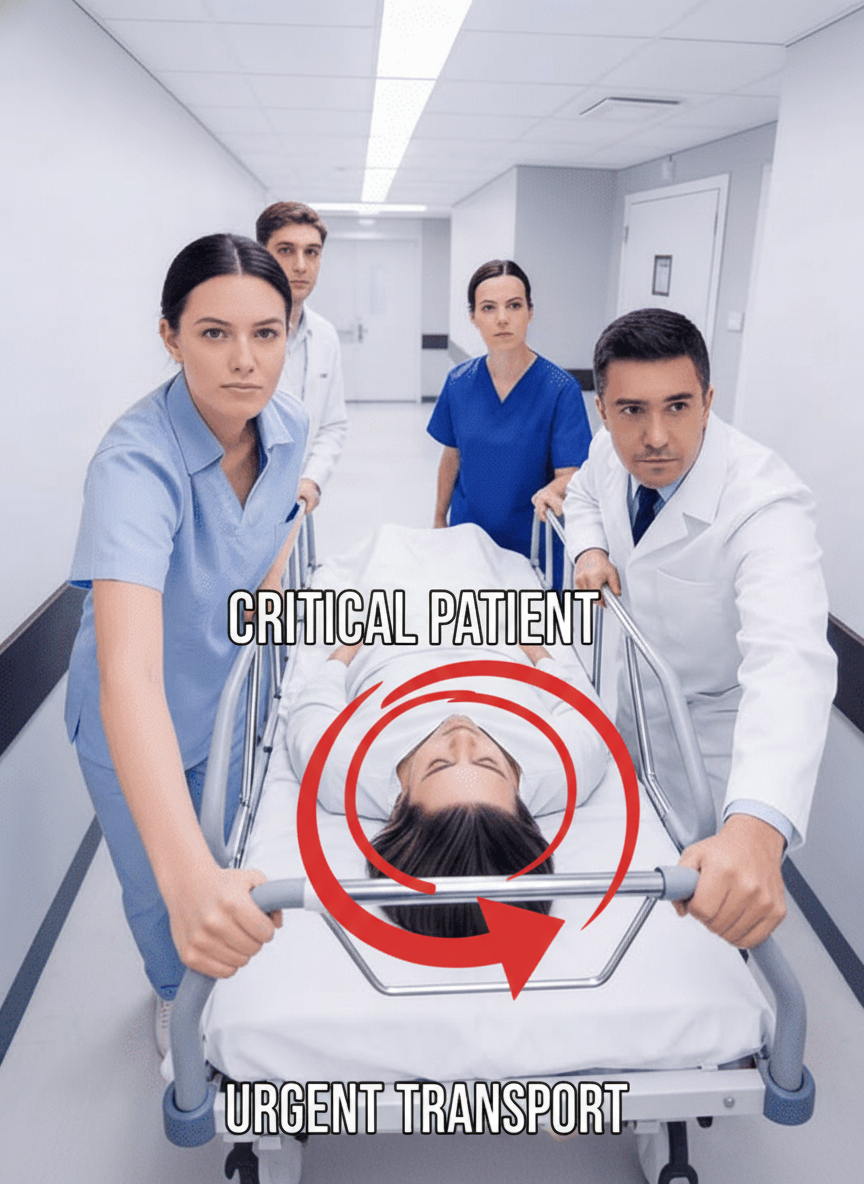
The core principle is simple: the sooner a person receives specialized medical attention, the greater their chances of minimizing irreversible brain damage. This profound reality underscores why public awareness and the ability to recognize stroke signs are not merely beneficial, but truly life-saving.
🚨 Critical Early Stroke Warning Signs to Watch For
While stroke symptoms can manifest differently in each individual – some might experience a single sign, while others exhibit several simultaneously – recognizing these indicators is paramount. Pay close attention to these common, yet critical, early warning signs of stroke:
- Sudden Numbness or Weakness: A sudden onset of numbness, tingling, or weakness, particularly affecting one side of the body – whether it’s the face, an arm, or a leg – is a hallmark sign.
- Facial Drooping: Observe if one side of the face appears to droop, if the person’s smile is uneven, or if one corner of their mouth pulls downward.
- Speech Difficulties: This can include slurred speech (dysarthria), trouble finding words, an inability to speak clearly, or difficulty understanding what others are saying (aphasia).
- Sudden Confusion: An abrupt change in mental state, characterized by confusion, disorientation, or an inability to respond coherently to questions.
- Vision Disturbances: The sudden blurring, dimming, or complete loss of vision in one or both eyes can be a significant indicator.
- Severe Headache: A sudden, excruciating headache with no apparent cause, often described as the “worst headache of one’s life,” sometimes accompanied by nausea or vomiting.
- Loss of Balance or Coordination: Experiencing sudden dizziness, vertigo, a profound loss of balance, or difficulty walking steadily can also signal a stroke.
Beyond these common presentations, individuals may also report other alarming symptoms. For instance, some describe an intensely unusual headache that feels entirely different from any they’ve experienced previously. Others might notice a sudden, inexplicable weakness or an inability to lift both arms equally. The overarching and most crucial characteristic to remember for all these signs is their sudden and abrupt onset.
The Life-Saving F.A.S.T. Method: Act Quickly!
To make recognizing stroke symptoms as straightforward and memorable as possible, healthcare professionals worldwide advocate for the F.A.S.T. method. This acronym provides a simple, yet incredibly