 By admin
 Have you ever caught a glimpse of your reflection and noticed your smile isn’t quite as radiant as it once was? Over time, common culprits like coffee, tea, red wine, and even some healthy dietary choices can gradually contribute to tooth discoloration. While professional dental whitening treatments offer effective solutions, they can be costly and involve potent bleaching agents that not everyone prefers. The excellent news is that incorporating simple daily routines and gentle at-home care practices can significantly help in maintaining a naturally brighter smile. This comprehensive guide will explore various natural strategies, including valuable insights often shared by dental professionals to keep your teeth looking their best.
Why Teeth Lose Their Luster: Understanding Discoloration
Our teeth naturally undergo changes in color as we age. The protective outer layer, known as enamel, can gradually thin or wear away. When this occurs, the yellowish dentin layer beneath becomes more prominent, affecting the overall shade of your teeth. Beyond natural aging, several factors contribute to tooth staining:
- Frequent consumption of dark-colored beverages such as coffee and tea
- Regular intake of red wine
- Smoking or any form of tobacco use
- Certain prescription medications
- The inherent process of aging
Most commonly, discoloration arises from surface stains caused by the foods and drinks we consume. The good news is that consistent oral hygiene routines and adopting gentle, natural approaches can often help diminish these superficial stains. However, it’s crucial to emphasize a fundamental principle: no home remedy should ever substitute professional dental care. Furthermore, employing overly aggressive whitening techniques can lead to irreversible damage to your precious tooth enamel. Therefore, a gentle and balanced approach is paramount.
Baking Soda: A Gentle Natural Polishing Solution
Baking soda (sodium bicarbonate) is a widely recognized natural ingredient frequently cited for its teeth-cleaning capabilities. Its mild abrasive qualities make it effective at gently polishing away superficial stains from tooth surfaces. In fact, many commercially available toothpastes incorporate baking soda for this very benefit. For those interested in trying a simple home method:
- Combine a small quantity of baking soda with water to form a paste.
- Gently brush your teeth with this mixture for approximately 30 seconds.
- Rinse your mouth thoroughly with water afterward.
It’s vital to use this method sparingly, perhaps a few times a week at most, rather than daily. Over-enthusiastic or frequent use can lead to enamel erosion over time due to its abrasive nature. Moderation is the key to harnessing its benefits safely.
Coconut Oil Pulling: An Ancient Oral Health Practice
Oil pulling is an age-old Ayurvedic tradition where oil is swished around the mouth for an extended period. Coconut oil is a popular choice for this practice, primarily due to its natural fatty acid content, particularly lauric acid. Proponents suggest that oil pulling may contribute to improved oral hygiene by helping to dislodge bacteria and plaque. A common routine involves:
- Taking about one tablespoon of organic coconut oil.
- Swishing it gently around your mouth for 10 to 15 minutes.
- Spitting the oil into a waste bin (not the sink, as it can clog pipes) and rinsing your mouth thoroughly with water.
While scientific research on the extensive benefits of oil pulling for teeth whitening is still evolving and somewhat limited, many individuals integrate this practice into their daily oral care regimen. It’s crucial to understand that oil pulling serves as a complementary practice and should never be considered a substitute for regular brushing and flossing.
Strawberries: Harnessing Natural Enzymes for Stain Removal
Strawberries are known to contain a natural enzyme called malic acid, which is occasionally highlighted for its potential role in addressing superficial tooth stains. Some anecdotal methods suggest mashing a fresh strawberry and gently applying it to the teeth for a brief period before rinsing thoroughly. However, it’s imperative to remember that strawberries also contain natural sugars and various acids. Therefore, if you choose to try this method, ensure you rinse your mouth meticulously and brush your teeth with fluoride toothpaste immediately afterward to neutralize acids and remove any sugar residue. This approach, like others involving acidic fruits, should only be considered for occasional use, not as a regular part of your oral care routine.
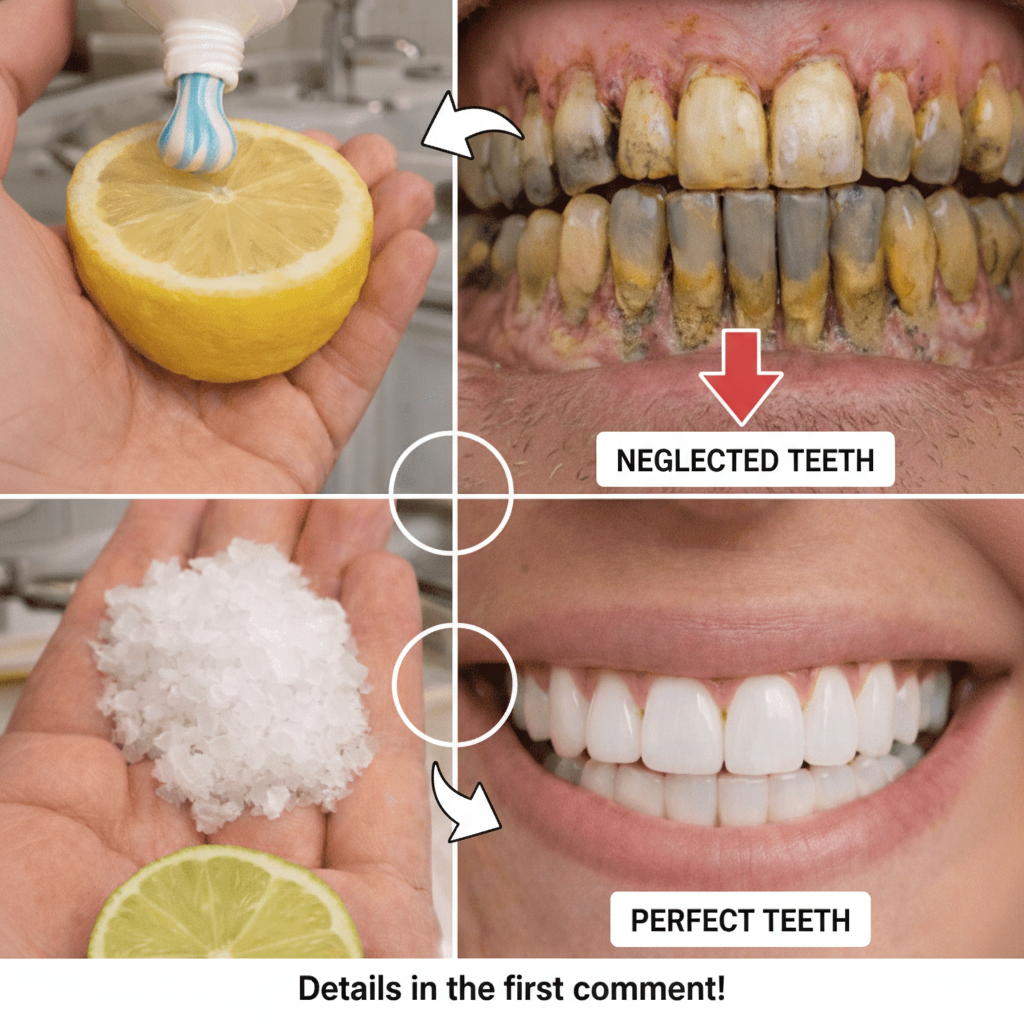
Hydrogen Peroxide: A Cautious Approach to Whitening
Hydrogen peroxide is a well-known active ingredient found in numerous commercial teeth whitening products due to its bleaching properties. Some individuals opt to use a highly diluted solution of hydrogen peroxide as a mouth rinse at home. However, extreme caution is advised, and precise dilution is absolutely critical. A suggested method, if considering this, might involve:
- Mixing a very small amount of 3% hydrogen peroxide with an equal or greater amount of water to create a diluted solution.
- Swishing this diluted solution in your mouth for a very short duration.
- Rinsing your mouth comprehensively with plain water immediately afterward.
It is profoundly unsafe to use concentrated hydrogen peroxide or to swallow any amount of the solution, as it can cause significant irritation or harm. Before attempting this or any method involving hydrogen peroxide, consulting with your dentist is strongly recommended to ensure it’s safe and appropriate for your specific oral health needs.
The Foundation of a Bright Smile: Excellent Oral Hygiene
Undoubtedly, the single most effective and sustainable strategy for maintaining naturally bright and healthy teeth is a consistent and rigorous oral hygiene routine. Dental professionals universally advocate for the following practices:
- Brushing your teeth thoroughly twice a day for two minutes each time.
- Flossing daily to remove plaque and food particles from between teeth and along the gumline.
- Utilizing a fluoride toothpaste to strengthen enamel and prevent cavities.
- Scheduling regular dental check-ups and professional cleanings with your dentist.
These fundamental habits are paramount for effectively removing plaque buildup and preventing surface stains from accumulating and becoming more pronounced. It’s essential to understand that even the most promising natural home remedies serve as supplementary aids and can never replace these indispensable pillars of oral health.
Smart Food Choices for Naturally Cleaner Teeth
Beyond specific remedies, integrating certain foods into your diet can actively contribute to supporting oral health and maintaining cleaner teeth. These “dental-friendly” foods work by stimulating saliva production and gently scrubbing tooth surfaces as you chew. Excellent examples include:
- Crisp fruits like apples
- Fibrous vegetables such as celery
- Crunchy carrots
- Dairy products like cheese
Saliva plays a crucial role in oral health, acting as a natural defense by neutralizing harmful acids and rinsing away lingering food particles. Consistently incorporating these beneficial foods into your daily meals can significantly contribute to healthier, brighter-looking teeth over the long term.
Final Thoughts on Achieving Your Brighter Smile
Achieving a dazzling smile doesn’t always necessitate costly professional whitening treatments. By consistently adhering to simple, yet effective, habits such as diligent daily brushing, moderating your intake of stain-causing foods and beverages, and exploring gentle natural methods, you can significantly contribute to maintaining a visibly cleaner and brighter smile. It is critically important to approach all home remedies with caution and moderation to safeguard your precious tooth enamel from potential damage. Should you have any uncertainties or wish to explore the most suitable options for your unique dental profile, always consult with your dentist. They can provide personalized recommendations for safe and effective whitening solutions, ensuring your journey to a brighter smile is both healthy and successful.