 By admin
 Imagine sitting across from your doctor at 80 years old, receiving the fantastic news that your teeth are in pristine condition—absolutely no cavities, no signs of gum disease. This isn’t a far-fetched fantasy; it’s an entirely achievable reality through the consistent application of a few straightforward, everyday habits. Many seniors, however, mistakenly believe that losing teeth is an unavoidable part of aging. Let’s dismantle that common misconception and uncover how proactive dental care can ensure your smile remains vibrant and strong throughout your golden years. By the time you finish reading this article, you’ll be equipped with the surprisingly simple yet powerful strategies to safeguard your oral health for life.
Why Oral Health Becomes Even More Crucial as You Age
As we advance in years, prioritizing excellent oral health becomes increasingly vital. The stakes are higher, with an elevated risk of developing common dental issues such as gum disease and tooth decay. These conditions don’t merely impact the aesthetics of your smile; they are also intrinsically linked to more serious systemic health problems, including heart disease, diabetes, and widespread inflammation throughout the body. The truth is, investing in the care of your teeth and gums during your senior years can profoundly influence both your oral well-being and your overall health. Therefore, let’s explore the fundamental habits that can help you maintain healthy teeth and gums for decades to come.
1. Master the Art of Proper Brushing Technique
One of the most foundational and non-negotiable habits for preserving healthy teeth is brushing them twice daily. While it might seem like a simple routine, the effectiveness largely hinges on your technique. Here’s what dental professionals consistently recommend for optimal oral hygiene:
- Dedicate a full two minutes to brushing during each session.
- Always use a soft-bristled toothbrush to protect your enamel and gums.
- Brush gently along the gum line, employing small, circular motions. Aggressive brushing can lead to enamel erosion and gum irritation, so a light touch is key!
- Replace your toothbrush every three to four months, or sooner if the bristles become frayed, to ensure maximum cleaning efficacy.
2. Incorporate Natural Antibacterial Aids
Sometimes, the simplest solutions for oral care can be found in nature. While these natural remedies are excellent complementary additions, they should never replace your regular brushing and flossing routine. Here are a few natural ingredients that can bolster your oral hygiene:
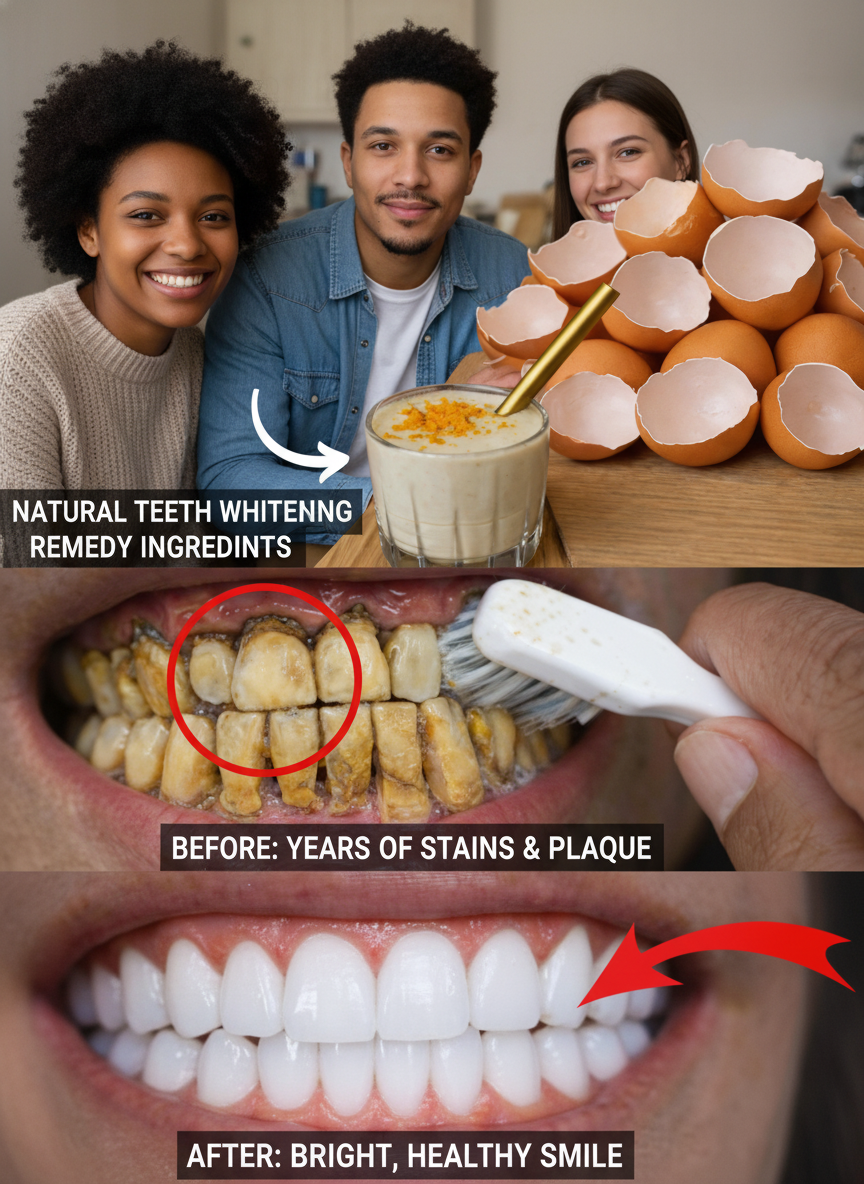
- Salt Water Rinse: A warm saltwater rinse is a time-tested method for reducing oral bacteria and soothing irritated gums. Simply mix a teaspoon of salt into a glass of warm water, swish it thoroughly around your mouth, and then spit it out.
- Baking Soda: Known for its mild abrasive properties, baking soda can gently aid in removing surface stains and effectively neutralizing harmful acids in the mouth, which contribute to tooth decay.
- Coconut Oil (Oil Pulling): This ancient Ayurvedic practice involves swishing a tablespoon of coconut oil in your mouth for 10-20 minutes. It’s believed to help draw out bacteria and promote healthier gums.
3. Recognize Diet’s Pivotal Role in Dental Health
The foods and beverages you consume have a direct and significant impact on the strength and health of your teeth. Certain dietary choices can fortify your dental structures, while others actively contribute to decay and erosion.
Foods That Support Strong Teeth:
- Leafy Greens: Rich in vitamins and minerals like calcium, these are excellent for dental health.
- Dairy Products: Milk, cheese, and yogurt are packed with calcium and phosphate, essential for strengthening tooth enamel.
- Nuts and Seeds: Offer healthy fats and proteins, along with minerals like calcium and phosphorus.
- Apples and Crunchy Vegetables: Act as natural toothbrushes, stimulating saliva production and helping to clean teeth.
- Green Tea: Contains compounds that can inhibit the growth of harmful bacteria.
Foods and Drinks to Limit:
- Sugary Snacks and Sticky Sweets: These provide fuel for bacteria that produce acids, leading to plaque buildup and cavities.
- Acidic Drinks and Excess Soda: Can erode tooth enamel, making teeth more susceptible to decay.
A diet abundant in calcium, phosphorus, and other vital nutrients is crucial for reinforcing enamel and maintaining robust gum health. Conversely, frequent consumption of sugary and acidic items can accelerate plaque formation and significantly weaken your teeth.
4. Prioritize Hydration for Optimal Oral Function
Saliva is your mouth’s primary natural defense mechanism against tooth decay. It actively works to rinse away food particles, neutralize detrimental acids, and deliver essential minerals back to your enamel. Therefore, staying adequately hydrated is paramount for ensuring consistent, healthy saliva production and preventing dry mouth (xerostomia).
Make a conscious effort to drink plenty of water throughout the day. This simple habit supports a healthy salivary flow, keeping your mouth clean, refreshed, and naturally protected.
5. Never Overlook the Importance of Gum Health
Healthy gums are just as critical for a lasting smile as healthy teeth. Gum disease, also known as periodontal disease, often begins with subtle indicators such as redness, swelling, or bleeding when you brush or floss. If these early symptoms are ignored, the condition can progress to more severe issues like gum recession, bone loss, and ultimately, tooth loss.
Diligent daily flossing and thorough brushing are indispensable for preventing the accumulation of plaque, which is the primary culprit behind gum disease. Don’t wait for symptoms to escalate—take proactive measures today to maintain your gums in peak condition.
6. Schedule Regular Professional Dental Checkups
Even with an impeccable daily oral hygiene routine, consistent visits to your dentist are absolutely essential. Routine checkups and professional cleanings enable dental professionals to identify potential problems like cavities or early signs of gum disease before they become serious. They can also effectively remove stubborn plaque and tartar buildup that at-home brushing can’t tackle.
Remember, early detection and intervention are always superior to waiting until dental issues have worsened and require more extensive, costly treatments.
7. Make the Choice to Avoid Smoking
Smoking and other forms of tobacco use are among the most significant risk factors for developing severe gum disease and subsequent tooth loss. Tobacco constricts blood vessels, reducing vital blood flow to your gums. This impairment makes it much harder for gum tissues to heal and dramatically increases your susceptibility to oral infections.
By eliminating smoking from your life, you can dramatically enhance not only your oral health but also your overall systemic well-being.
8. Embrace Consistency: The Ultimate Secret to a Lasting Smile
The ultimate secret to preserving healthy teeth and a radiant smile well into your golden years lies in unwavering consistency. The daily habits outlined above, when practiced diligently and without fail, become a powerful shield against dental problems. Consider your oral hygiene routine a non-negotiable, long-term investment in your health and happiness. A lifetime of smiles is within your reach—all it requires is your commitment to these simple, yet profound, daily practices.