 By admin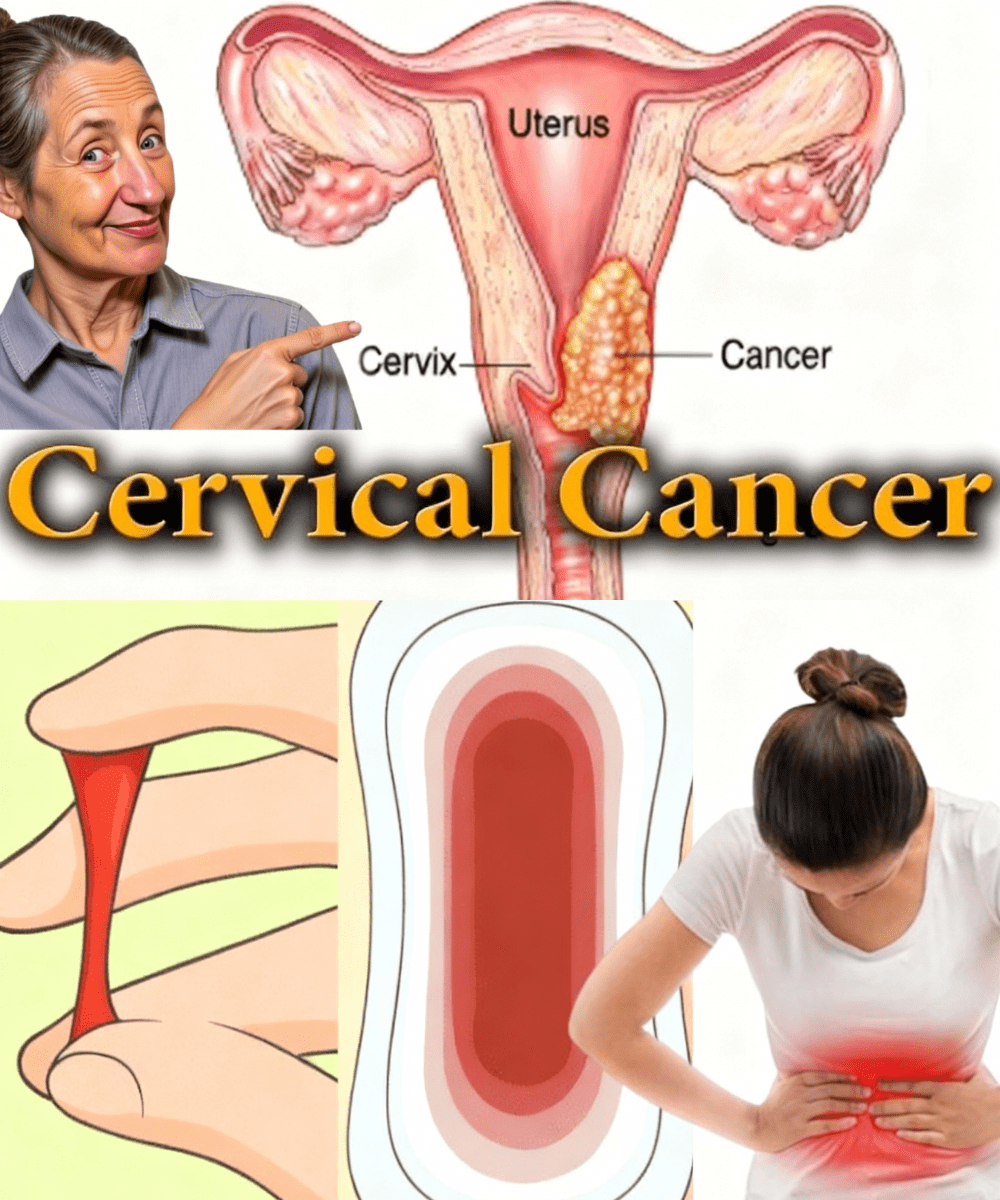
Your uterus is a silent hero, quietly powering your reproductive health and signaling when something’s off. But what happens when its whispers of distress go unnoticed? From irregular periods to unexplained fatigue, the signs of uterine trouble can be subtle, often mistaken for “normal” discomforts. Ignoring these red flags could lead to serious conditions like endometriosis, fibroids, or even cancer. Want to take control of your health and protect your future? Dive into this guide to uncover the 12 critical warning signs your uterus is crying for help—and learn how to act before it’s too late.

🌟 Why Your Uterus Deserves Your Attention
The uterus isn’t just about reproduction; it’s a cornerstone of your overall well-being. When it’s struggling, the symptoms can be easy to dismiss as minor annoyances—until they escalate into bigger problems. Conditions like hormonal imbalances, fibroids, or infections can silently wreak havoc, affecting your energy, fertility, and long-term health. By recognizing these warning signs early, you can take charge, seek answers, and safeguard your body. Ready to listen to what your uterus is trying to tell you? Let’s explore the 12 symptoms that demand your attention.
🚩 12 Warning Signs Your Uterus Needs Help
Your body is always communicating, and these signs are its way of sounding the alarm. Don’t ignore them—here’s what to watch for:
🩸 1. Irregular Periods
A suddenly erratic cycle—too short, too long, or completely unpredictable—is a red flag. This could point to:
- Hormonal imbalances
- Uterine fibroids
- Polycystic ovary syndrome (PCOS)
⛔ Missing periods (without pregnancy) or drastic changes are never “just normal.” Track your cycle and consult a doctor if patterns shift.
💧 2. Heavy Menstrual Bleeding
Soaking through pads or tampons every hour or needing double protection? Heavy bleeding may signal:
- Fibroids
- Adenomyosis
- Hormonal disruptions
🩺 Consistently heavy periods can lead to anemia, causing fatigue and weakness. Don’t brush it off as “part of being a woman.”
🔥 3. Severe Menstrual Cramps
Mild cramps are common, but debilitating pain that disrupts your life is not. Possible culprits include:
- Endometriosis
- Fibroids
- Pelvic inflammation
😣 If cramps leave you doubled over or unable to function, it’s time to investigate with a healthcare provider.
⚡ 4. Pelvic Pain Outside Your Period
Chronic pelvic pain unrelated to your cycle is a serious warning sign. It could stem from:
- Ovarian cysts
- Pelvic inflammatory disease (PID)
- Uterine abnormalities
🚨 Persistent pain lasting more than a few days demands medical attention.
😣 5. Pain During Sex
Discomfort or sharp pain during intimacy is not something to endure silently. It may indicate:
- Endometriosis
- Infections
- Structural issues in the uterus
💬 Painful sex is a signal your body needs help—don’t dismiss it as “in your head.”
🌊 6. Unusual Vaginal Discharge
Changes in discharge color, consistency, or odor could point to:
- Bacterial vaginosis
- Yeast infections
- Sexually transmitted infections (STIs)
🩺 Healthy discharge is clear or white and odorless. Any shift warrants a checkup to rule out infections or other issues.

🚽 7. Frequent Urination or Bladder Pressure
Feeling the urge to pee constantly or sensing pressure in your lower belly? This could be caused by:
- Fibroids
- Ovarian cysts
- An enlarged uterus
💧 Uterine growths can press against your bladder, causing urinary changes that shouldn’t be ignored.
🦴 8. Lower Back Pain
While back pain is often blamed on posture, persistent lower back discomfort in women may link to:
- Fibroids
- Endometriosis
- Uterine prolapse
🔍 If back pain coincides with menstrual or pelvic issues, your uterus could be the source.
😴 9. Unexplained Fatigue
Constant exhaustion isn’t always about a busy schedule. Heavy uterine bleeding can cause iron deficiency anemia, linked to:
- Fibroids
- Adenomyosis
- Hormonal imbalances
💤 If you’re always tired despite rest, your uterus might be draining your energy.
🍼 10. Difficulty Getting Pregnant
Struggling to conceive could signal:
- Uterine lining issues
- Blocked fallopian tubes
- Structural abnormalities
🧬 Silent uterine conditions are a leading cause of infertility. If conception is challenging, seek a specialist’s evaluation.
🩺 11. Spotting Between Periods
Light bleeding outside your cycle may indicate:
- Uterine polyps
- Hormonal imbalances
- Early signs of cancer
⚠️ Post-menopausal spotting is especially urgent—see a doctor immediately.
🎈 12. Abdominal Bloating or Enlargement
Persistent bloating or a visibly swollen belly could be caused by:
- Fibroids
- Ovarian cysts
- Fluid buildup
🔎 Bloating that doesn’t resolve with dietary changes may point to uterine issues, not just digestion.

💡 Why These Signs Matter
These symptoms aren’t just inconveniences—they’re your body’s way of signaling potential problems. Left unchecked, conditions like endometriosis, fibroids, or infections can lead to complications, including infertility, chronic pain, or even life-threatening issues like uterine cancer. Early detection is key to preventing long-term damage and preserving your reproductive and overall health. By tuning into these warning signs, you’re taking a proactive step toward a healthier, more vibrant you.
🩺 What to Do If You Notice These Symptoms
Don’t wait for symptoms to worsen—act now to protect your health. Here’s how to respond:
- Schedule a Gynecological Exam: A doctor can perform an ultrasound or other tests to identify the cause of your symptoms.
- Track Your Symptoms: Use a journal or app to log your cycle, pain, and other changes. This helps your doctor pinpoint issues.
- Request Blood Tests: Check hormone levels and iron counts to rule out imbalances or anemia.
- Adopt a Uterus-Friendly Lifestyle: Manage stress with yoga or meditation, eat hormone-balancing foods like leafy greens and nuts, and avoid endocrine disruptors like certain plastics.
🌿 Supporting Your Uterus Naturally
In addition to medical care, you can nurture your uterine health with these habits:
- Eat Nutrient-Dense Foods: Include omega-3-rich fish, antioxidant-packed berries, and iron-rich spinach to support hormonal balance and reduce inflammation.
- Stay Active: Regular exercise improves circulation and helps regulate hormones, reducing the risk of uterine issues.
- Prioritize Sleep: Adequate rest supports hormonal health and helps your body repair itself.
- Stay Hydrated: Proper hydration flushes toxins and supports overall organ function.
These habits, combined with prompt attention to symptoms, create a solid foundation for uterine health.
🌟 Why You’ll Want to Act Now
Ignoring uterine warning signs can lead to worsening symptoms, prolonged discomfort, and serious health risks. By addressing these red flags early, you’re not just protecting your reproductive health—you’re investing in your energy, confidence, and quality of life. A healthy uterus means fewer disruptions, better fertility outcomes, and a stronger foundation for overall wellness.
⚠️ A Word of Caution
While these symptoms are warning signs, they don’t always indicate a severe condition. However, only a healthcare professional can provide a proper diagnosis. If you experience any of these signs, especially if they’re persistent or worsening, consult a gynecologist promptly. Early intervention can make all the difference.
🚀 Take Charge of Your Health Today
Your uterus is speaking—are you listening? These 12 warning signs are your body’s way of asking for help, and addressing them now can prevent bigger problems down the road. From irregular periods to unexplained fatigue, each symptom is a clue to your health puzzle. By acting quickly—scheduling a checkup, tracking your symptoms, and adopting a uterus-friendly lifestyle—you’re taking control of your well-being.
Don’t let subtle signs steal your vitality. Grab a notebook to track your symptoms, book that doctor’s appointment, and start nurturing your body today. Your uterus is a vital part of you—give it the care it deserves and unlock a healthier, more vibrant future.