 By admin
 Creatinine rarely rises without a reason. An elevated result can signal that the kidneys are filtering less efficiently, which is why so many people begin searching for practical ways to support kidney health as soon as a lab report comes back abnormal. But before turning to any food as a cure, remember that high creatinine can have many causes and deserves medical evaluation.
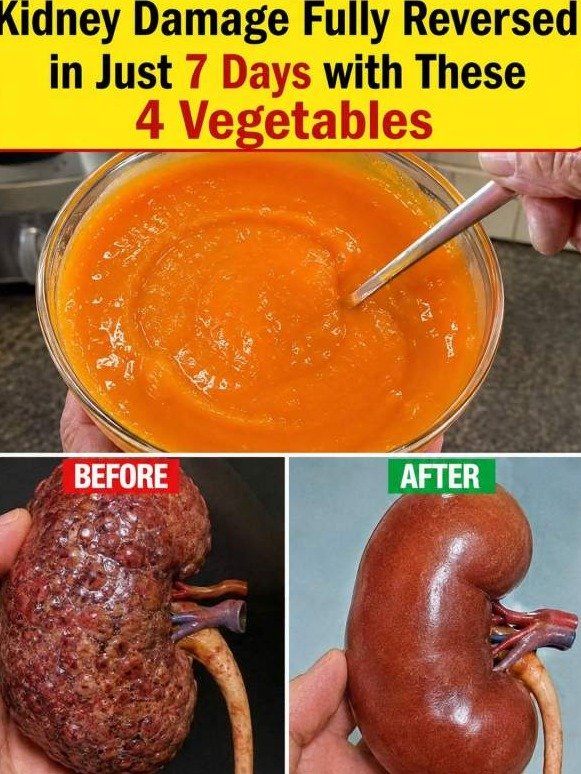
These four vegetables are not presented as a magic treatment or an instant “renal rinse.” Their value comes from providing water, fiber, vitamins, minerals, and plant compounds that can fit into a balanced eating pattern—one that may help support overall health while the underlying cause of kidney strain is identified and managed.
Imagine a coffee filter covered with fine grit. Water may still pass through, but the flow becomes slower and the filter has to work harder. That image can help explain why reduced kidney function may affect the body in noticeable ways, although only proper testing can show what is actually happening inside the kidneys.
By the time creatinine appears higher than expected, changes may have been developing for some time—or the result may reflect dehydration, medication use, intense exercise, muscle mass, or another temporary factor. Swelling around the ankles or eyes, unusual fatigue, changes in urination, nausea, or shortness of breath should never be dismissed as ordinary aging.
Kidney problems can make the body feel burdened, but food cannot literally scrub toxins from the blood or unclog kidney tissue. The more useful question is how these vegetables can contribute to a lower-sodium, nutrient-rich eating pattern without conflicting with an individual’s kidney condition, medications, or laboratory results.
What the kidneys actually need
The kidneys help regulate fluid balance, remove waste products, and maintain healthy levels of minerals in the bloodstream. When they are under strain, the right diet depends on the reason and severity of the problem. Some people need to limit sodium, while others may need individualized guidance about potassium, phosphorus, protein, or fluid intake.
Vegetables can support a healthier plate by adding fiber, antioxidants, and naturally occurring moisture without the excess sodium found in many packaged foods. However, they do not force a miracle, flush creatinine out on demand, or repair damaged kidneys by themselves. Their role is supportive—not a substitute for diagnosis or treatment.
A healthier plate may help reduce dietary stress, but it cannot replace professional kidney care.
Some vegetables may fit well into a lower-sodium meal, while others can contain substantial potassium or phosphorus. That distinction matters because a food considered healthy for one person may need to be limited by someone with advanced kidney disease or a history of abnormal potassium levels. Preparation, portion size, and the rest of the meal matter just as much as the vegetable itself.
The first improvement people may notice from eating more minimally processed foods is not a dramatic laboratory change. It may simply be a meal that feels lighter, less salty, and less likely to leave them thirsty or uncomfortable afterward.
Why older adults may notice symptoms sooner
Older adults often have a higher risk of chronic kidney disease because kidney function can gradually change with age and because conditions such as high blood pressure, diabetes, heart disease, and medication use may add stress. Puffiness, heavy legs, tiredness, appetite changes, or altered urination deserve attention rather than automatic blame on getting older.
The kidneys may be dealing with several pressures at once, yet symptoms can remain subtle. This is one reason routine blood and urine testing matters, particularly for people with diabetes, hypertension, cardiovascular disease, a family history of kidney disease, or previous abnormal results.
There is also no single grocery-aisle solution that works for everyone. A general wellness message may recommend “just eat more vegetables,” but people with reduced kidney function sometimes need a carefully tailored plan. A registered dietitian or healthcare professional can help select portions and varieties that match current potassium, phosphorus, sodium, and fluid needs.
Think of a kitchen sink with grease in the pipes. Changing the meal can reduce what goes down the drain, but it cannot repair a damaged pipe or prove that the drainage problem has disappeared. In the same way, a vegetable-rich meal may support healthy habits while medical testing identifies the real source of an elevated creatinine result.
And the benefits of a balanced eating pattern may extend beyond the kidneys. Better blood pressure control, steadier blood sugar, improved bowel regularity, and a healthier body weight can all matter—but none of those outcomes should be promised from four vegetables alone.
The third place you may feel the difference
Kidney strain and the conditions linked with it can affect energy, concentration, and everyday stamina. Still, fatigue is not specific to kidney disease; anemia, poor sleep, thyroid problems, infection, medication effects, and many other issues can create the same washed-out feeling.
If a person feels better after eating more vegetables, the change may reflect a broader improvement in diet, hydration habits, blood pressure, digestion, or overall routine. It should not be assumed that the food has removed accumulated waste or directly lowered creatinine without repeat testing.
It is like driving with a windshield covered in road grime. Cleaning the glass can make the journey feel easier, but it does not fix an engine problem. In the same way, a nourishing meal can support daily well-being while the medical cause of kidney changes still needs attention.
That is why these vegetables may matter: they can be part of a healthier overall pattern, but they are not a stand-alone treatment for impaired kidney function.
The most practical approach is to treat vegetables as useful building blocks rather than miracle remedies. Fresh or frozen options prepared with little added salt can make meals more satisfying, while portion control helps keep the overall mineral load appropriate. People with kidney disease should ask their healthcare team which choices and serving sizes are safest.
Over time, consistent habits may support better blood pressure, improved dietary quality, and more stable energy. Yet the only reliable way to know whether creatinine is improving is through appropriate follow-up testing interpreted alongside estimated glomerular filtration rate, urine findings, medications, hydration status, and the person’s complete medical history.
One bowl, four vegetables, one smarter routine
The sensible promise behind a vegetable-focused meal is not fantasy or instant detoxification. It is the opportunity to reduce reliance on heavily processed foods, increase fiber and plant nutrients, and build meals that may be easier to keep lower in sodium. Whether a particular vegetable belongs in that plan depends on the individual’s kidney function and dietary instructions.
Think of it as improving the supplies entering a busy system, not sending in a cleanup crew to repair damaged tissue. The meal may taste fresher and leave the plate less salty, but meaningful kidney protection also involves managing blood pressure, blood sugar, medications, hydration, and the underlying disease.
When those habits come together, some people may experience less thirst, improved digestion, or a lighter feeling after meals. Those changes can be encouraging, but they should not be confused with proof that a kidney condition has reversed.
That is what people are often really seeking when they search for help with creatinine: not merely a better number on a page, but a clearer plan for protecting their health. The safest plan begins with finding out why the number changed and then matching food choices to professional guidance.
P.S. One common kitchen habit can undermine an otherwise nutritious meal: adding large amounts of salt, salty sauces, processed seasoning blends, or heavy frying. Excess sodium can contribute to fluid retention and higher blood pressure, both of which may be especially important for people with kidney disease. Use herbs, spices, citrus, garlic, or vinegar instead when appropriate.
The next layer is personalization. The best pairing for these vegetables is not a secret ingredient that makes them “hit harder”; it is a complete meal plan that matches your kidney function, laboratory results, medications, and health goals.
This article is for informational purposes only and does not replace professional medical advice. An elevated creatinine result, swelling, reduced urination, shortness of breath, severe weakness, vomiting, or confusion requires prompt medical attention. Please consult your healthcare provider or a qualified renal dietitian for personalized guidance before changing your diet.