 By admin
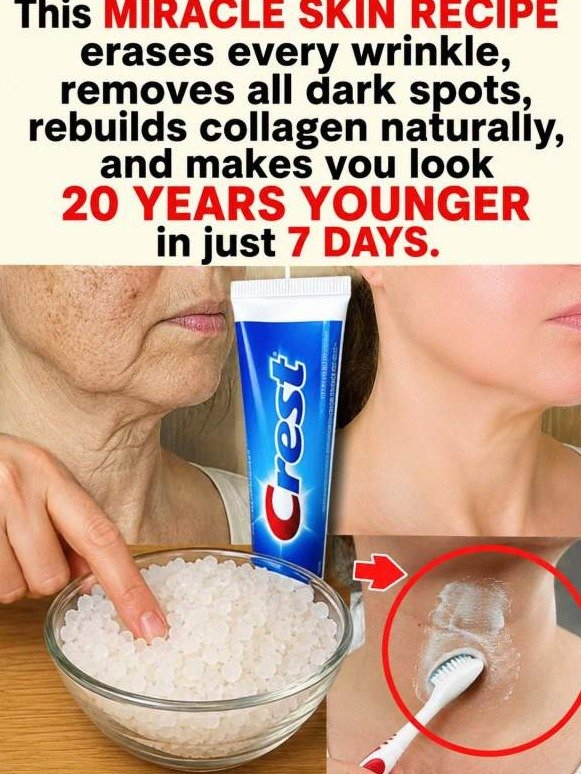
 Imagine reaching for that familiar tube of toothpaste, not for your teeth, but to banish those stubborn dark spots and wrinkles from your skin. Social media is buzzing with claims that this common bathroom staple can work wonders, making tired hands look smoother and age spots disappear. But what’s really happening when that minty concoction touches your skin?
Let’s be clear: the dramatic transformations you see in those viral before-and-after photos aren’t magic. Instead, they reveal a rapid, superficial cosmetic effect – a quick polish, a drying action, and a temporary tightening that makes weary skin appear cleaner and smoother for a fleeting period.
This immediate, visible change is precisely why countless individuals continue to experiment with this unconventional method. Each glance in the mirror reveals the persistent reality of crepey skin, noticeable dark spots, and a coarse texture that seems amplified under harsh bathroom lighting. While the beauty industry offers expensive promises in sleek bottles, this humble bathroom cabinet hack presents itself as a more affordable, quicker, and delightfully defiant alternative.
However, the true narrative extends far beyond what meets the eye. The actual impact of toothpaste on your skin holds a deeper, more complex, and frankly, stranger reality than those initial social media claims suggest.
The Temporary Shine: How a Surface Scrub Makes Skin *Appear* Younger
The typical toothpaste formula is packed with a cocktail of abrasive micro-particles, potent drying agents, and, in certain varieties, ingredients designed to brighten, often similar to peroxide. When applied to your skin, this potent mix acts like a rough exfoliant – imagine trying to polish a hazy window with a coarse, gritty cloth. The immediate result is a superficial clearing that allows light to reflect differently, creating an illusion of improved clarity.
This explains why the skin on the back of your hand might appear remarkably smoother once the toothpaste has dried and been thoroughly rinsed off. The process effectively disrupts and dislodges the superficial layer of dead, flaky skin cells, altering its texture and light reflection. Consequently, your skin looks cleaner and more refined, even though no genuine, deep-seated repair or rejuvenation has occurred.
However, this surface-level improvement is just part of the story. Beneath this superficial action, the toothpaste is aggressively drawing moisture away from your skin, leading to that distinct, rapid sensation of tightness you feel almost immediately.
Consider dry skin much like an aged coat of paint on a weathered porch railing: as the moisture depletes, every tiny crack and imperfection becomes starkly visible under direct light. Toothpaste doesn’t miraculously restore the underlying “wood” of your skin; it simply manipulates how its surface interacts with and reflects light, creating a temporary optical illusion.
This crucial distinction is often overlooked by those captivated by the allure of a rapid fix. While the outcome might appear remarkably dramatic in a photograph, the skin is merely experiencing a temporary flattening effect, far from genuine renewal. The subsequent section will delve into the precise mechanism behind the perceived “dark spot trick,” finally revealing the full picture.
The Illusion: Why Dark Spots *Appear* to Vanish at First Glance
Age spots and hyperpigmentation on areas like your hands and arms frequently reside on an inherently rough, textured surface, which naturally amplifies shadows. As toothpaste dries, it can subtly smooth and flatten this unevenness, just enough to make the underlying discoloration *appear* significantly lighter, particularly when viewed under intense bathroom lighting or near a window.
Picture it like wiping a layer of dust from a dark kitchen counter. The stubborn stain might remain embedded, but with the surface film removed, your eyes no longer catch on every minor ridge and imperfection, making the overall appearance cleaner.
This immediate optical shift is precisely why the “trick” feels so compelling in the heat of the moment. Your skin appears less blotchy, your fingers seem less aged, and the reflection staring back offers a fleeting surge of satisfaction – an intoxicating feeling that sparks the thought, “Could this be the miracle solution I’ve been searching for?”
Now, for the uncomfortable truth: this seemingly humble, almost “ugly” solution is something the multi-billion dollar beauty industry rarely, if ever, mentions. There’s simply no financial incentive to craft a lavish marketing campaign around a tube of toothpaste when its low-cost mimicry of a high-end cosmetic polish could undermine their profit margins.
Nevertheless, the very reason this dramatic result fades as quickly as it appears lies in its superficial nature. You aren’t fundamentally altering the skin’s underlying structure or deeper pigmentation; rather, you’re merely manipulating how light interacts with a weary, uneven surface. This explains why the subsequent perceived “benefit” feels so tangible, despite being entirely skin-deep.
The Deceptive “Firming”: A Tighter, Cleaner Look That Doesn’t Last
For skin that appears slack or loose, the potent drying action of toothpaste can conjure a temporary “firming” illusion. The back of your hand might feel remarkably taut, almost unnervingly dry, and any visible folds or creases seem less pronounced. This is because the skin’s moisture content plummets, causing the surface to tighten dramatically, much like cling film stretched tightly across a bowl.
This immediate sensation can be surprisingly gratifying. After rinsing, you glance at your hands and notice the skin appears less saggy, less fatigued – almost as if it’s been given a swift, rejuvenating press under a warm iron.
However, this fleeting sense of relief is fundamentally misleading if you fail to grasp the underlying mechanism at play. Toothpaste is absolutely not nourishing your skin with essential biological nutrients, nor is it infusing tired, dehydrated cells with vital moisture. In fact, it’s doing the precise opposite, and this aggressive dehydration is precisely why the “tightening” effect manifests with such striking immediacy.
Most individuals are content to observe the initial shine and tightness, stopping their investigation there. Yet, those who delve deeper inevitably confront a perplexing question: why can the very same paste leave one area looking polished, while causing another patch of skin to become inflamed, hot, or visibly irritated?
The explanation is quite straightforward: the delicate skin on your face, hands, and arms is not an inert surface, like a sink drain, that can be aggressively scrubbed into submission. It is living, responsive tissue. When you apply a harsh cleaning product designed for teeth to such a delicate surface, you are essentially playing a dangerous game with potential irritation, especially if the formula is overly potent or the exposure prolonged.
The Powerful Illusion: Why The “After” Effect Is So Hard To Resist
The immediate impact is a striking visual transformation: a noticeable reduction in shine, diminished roughness, and less prominent shadowing around fine lines. Following this, there’s a distinct tactile change – that dry, almost “squeaky” sensation that leads one to believe the skin is genuinely “cleaner,” when in reality, it’s merely been stripped of its natural oils and moisture.
This explains why your hand might appear significantly improved immediately after rinsing, only to feel parched, uncomfortably tight, and even somewhat raw a short while later. The surface has merely been cosmetically “edited” for a temporary visual effect; it has not undergone any true healing or restorative process.
This crucial distinction is far more significant than any viral social media post might ever acknowledge. The skin on your hands endures constant assault from daily washing, sun exposure, environmental elements, and the relentless march of time. Persistently attacking it with harsh, abrasive mixtures risks exchanging a fleeting cosmetic victory for a far more substantial and damaging underlying problem.
Despite these warnings, the allure remains undeniable. We all crave that instant solution, that immediate visible change, that small surge of empowerment when our reflection finally appears less fatigued and more vibrant under the unforgiving bathroom light.
This deep-seated emotional desire is precisely the powerful hook these viral posts leverage – and the ultimate detail, revealed next, is what truly determines whether this “trick” offers any genuine benefit or simply leads to a painful, angry regret.
P.S. The Critical Details That Make ALL The Difference…
It’s imperative to note that only plain white, non-gel toothpaste *might* even offer the superficial effects described; any formulas containing whitening gels, extra gritty abrasives, or intensely minty ingredients are far more likely to leave your skin feeling hot, painfully red, and stinging as if you’ve aggressively abraded it with sandpaper. This adverse reaction is particularly severe when individuals apply a thick layer, allow it to dry into a hard, chalky crust, and then vigorously scrub it away with a towel.
Furthermore, the next crucial factor that dramatically alters the outcome is *what* you pair it with – because combining toothpaste with a certain common kitchen ingredient can transform this seemingly innocuous surface polish into something exponentially more damaging and irritating than most people could ever anticipate.
Please remember: This article is intended strictly for informational purposes and should never be considered a substitute for professional medical advice. Always consult your qualified healthcare provider for personalized guidance and treatment recommendations regarding your skin concerns.