 By admin
 That unmistakable rough little bump on your finger, the relentless nub digging into your heel, or that small, cauliflower-like spot marring your face – a wart is far more than just a minor skin imperfection. It’s a tenacious, virus-driven knot of aggressively overgrown tissue, fueled by the very same cellular disarray that transforms healthy skin into a resilient, lumpy outpost. And when individuals reach for household staples like garlic, vinegar, lemon, or even toothpaste, attempting to “cure” it, they are almost always misdirecting their efforts, targeting the wrong adversary.
That immediate, sharp sting, the unsightly white crust, or the raw, irritated patch that frequently emerges after applying a supposed “natural cure” is not a sign of progress or impending victory. On the contrary, it’s a clear indicator of skin damage. While warts do indeed vanish over time, the true narrative behind their disappearance involves an intricate battle where your immune system, your skin’s protective barrier, and the wart itself engage in a struggle for dominance over that specific area of tissue.
There’s a crucial, often overlooked reality: the seemingly most affordable or simplistic remedy can, paradoxically, inflict the most severe and unsightly damage. Furthermore, the actual scientific mechanism orchestrating effective wart removal is considerably more complex and nuanced than simply applying an abrasive substance directly onto the bump’s surface.
The Cellular Siege That Warts Desperately Don’t Want You to Understand
At its core, a wart is meticulously constructed by the Human Papillomavirus (HPV), a cunning invader that essentially hijacks your skin cells, forcing them into an uncontrolled, rapid multiplication, much like a factory line stuck on maximum overdrive. The result isn’t smooth, healthy skin, but rather a dense, grainy plug of tissue that can feel like a persistent pebble lodged beneath the surface whenever you apply pressure.
Envision it as a section of sidewalk where one particular slab continually buckles and bulges upwards, driven by an unceasing, underlying mechanism. The visible surface might be unsightly, but the root of the problem lies significantly deeper than just the top layer. This fundamental misunderstanding is precisely why so many common kitchen-counter remedies consistently fail – they merely scratch the surface, while the virus-powered engine relentlessly continues its operation beneath.
This is where treatments like salicylic acid diverge. Instead of merely burning, it meticulously softens and gradually strips away these hardened, overgrown layers, much like carefully sanding down a splintered piece of wood until the damaged material finally yields. However, this is only one piece of the puzzle. The equally vital component is what transpires when the healthy skin surrounding the wart ceases to act as a protective barrier, inadvertently shielding the growth.
And this brings us to the pivotal role of your immune system – a crucial factor that remains largely unknown to most people. For a wart to truly begin to lose its tenacious grip, your body must first definitively identify it as an unwelcome intruder, an enemy within its own tissue.
This critical act of recognition is precisely why some warts stubbornly persist for months, appearing thick and inflamed, while others can unexpectedly dry up and peel away almost overnight, once the body finally ‘wakes up’ to their presence. The real question isn’t solely about what substance you apply to the wart; it’s about the subsequent, decisive actions your skin and immune cells take.
Why Your Go-To Kitchen Remedies – Garlic, Vinegar, and Toothpaste – So Often Backfire
Consider garlic’s pungent kick, which assaults your nose even before it reaches your taste buds. Or vinegar’s sharp, sour punch that instinctively makes you wrinkle your nose. And then there’s toothpaste, leaving a distinct minty burn. It’s this very sensation of “action” – that sharp sting or tingle – that countless individuals mistakenly equate with effectiveness.
However, a mere sting is not a strategic attack on the wart. Far too often, it’s simply a distress signal, indicating that the healthy skin surrounding the wart is being burned, severely dried out, or inflamed, all while the wart itself steadfastly maintains its stubborn foothold.
The stark and unfortunate contrast is undeniable: when a purported remedy proves excessively harsh, the skin surrounding the wart reacts by swelling, cracking, and turning an angry red, yet the wart itself can remain stubbornly affixed, much like an unyielding barnacle clinging to a pier. This misguided approach results in you treating the incorrect layer of skin, paying a painful price in terms of discomfort, unsightly scabbing, and, in some cases, permanent scarring.
This inherent drama is precisely why the vast “supplement and remedy” industry thrives on captivating, sensational stories, while often shunning the more mundane, scientifically proven methods. You won’t find a flashy, high-budget advertising campaign built around a simple pharmacy staple that gently, slowly lifts away dead tissue, thereby creating the ideal environment for your body to naturally complete the healing process. Yet, it’s often the most straightforward, least dramatic solution that boasts the cleanest, most effective mechanism.
And here lies the critical revelation: the truly effective approach is almost never the one that delivers the most dramatic or intense sensation within the initial moments of application. The genuine, lasting transformation becomes evident when the wart gradually starts shedding its rough, protective armor, and the underlying skin begins to appear calmer, less elevated, and less like it’s fiercely defending an alien presence.
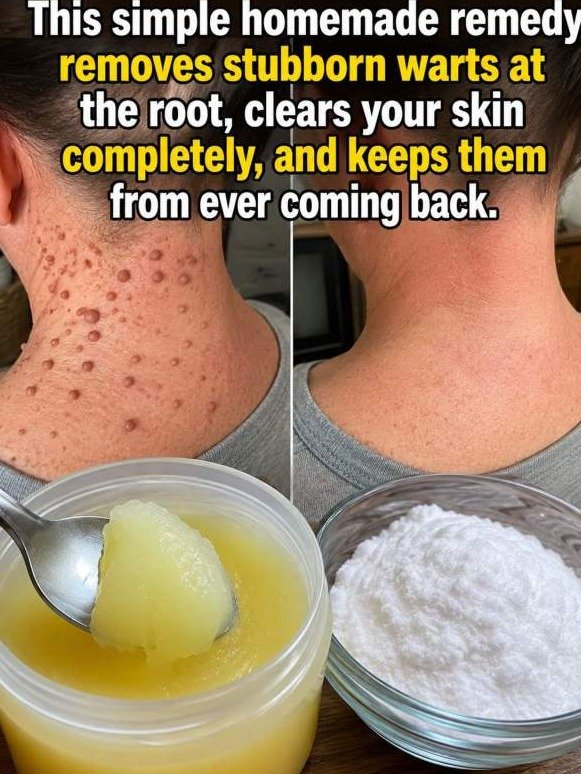
Why Warts on Your Hands, Feet, and Face Demand Different Strategies
Warts appearing on your hands are subjected to constant interaction – they get snagged, rubbed, and are perpetually in your line of sight. Each handshake, every time you wash dishes, or even a simple dry winter crack can make them feel like an irritating, unyielding splinter that refuses to be dislodged.
On the feet, the dynamic of pressure completely shifts. A plantar wart can feel like an excruciating stone perpetually stuck inside your shoe, relentlessly digging into the sole with every single step you take. This relentless, downward force often drives the wart deeper into the skin, which frequently leads individuals to mistakenly identify it as a mere callus, until the escalating pain reveals its true nature.
When a wart emerges on the face, the stakes are elevated once more. The facial skin is inherently thinner, far more visible, and considerably less forgiving, meaning that aggressive home treatments can easily create more significant problems than the original wart itself. A single misplaced application can leave you contending with persistent irritation that prominently flares red in the mirror, long after the initial bump might have vanished.
This fundamental difference in location is precisely why a “one-size-fits-all” approach with so-called “natural cures” is a dangerous fallacy. A wart on your heel, one on your finger, and another near your mouth are not merely the same issue in different costumes. The specific placement dramatically alters the pressure it endures, its visual presentation, and the associated risks – and these critical distinctions must fundamentally influence your next, most intelligent course of action.
When a truly proven and effective method begins to work, the initial observation isn’t an instant, miraculous disappearance. Instead, it’s a gradual, subtle alteration in texture: the wart becomes noticeably less rough, less raised, and feels less obstinate beneath your fingertip. Following this, the wart starts to appear ‘fatigued,’ resembling a scab that has finally conceded its battle with the surrounding healthy skin.
Only after this critical phase does your body then perform what no kitchen remedy can truly achieve. It systematically clears away the damaged, infected tissue in a manner that allows the surrounding skin a genuine opportunity to heal and recover, rather than being subjected to further burning and trauma.
The Unseen Battle: Why Your Immune System Is the Ultimate Game-Changer
Now, let’s delve into the most crucial aspect of all: a wart is never truly conquered by brute force alone. Its ultimate defeat occurs when your body ceases to tolerate the infected patch of tissue and initiates a systematic clearing process, much like a stubbornly clogged drain finally yielding and opening after weeks of persistent blockage.
Visualize a kitchen sink, its pipe completely choked by a greasy, stubborn plug of debris. Continually pouring more waste down the drain will only exacerbate the backup and the mess. However, once that blockage finally begins to loosen and disperse, water can flow freely again, unpleasant odors dissipate, and the entire system feels unburdened. This analogy perfectly encapsulates the desired outcome of effective wart treatment – successful removal that doesn’t simultaneously devastate the healthy surrounding skin.
This fundamental principle also underscores why any persistent, painful, bleeding, or unusually appearing growths absolutely warrant a thorough professional evaluation. Some bumps that concern you might not be warts at all, and even genuine warts can sometimes necessitate a far more precise and medically informed approach than the often-misleading advice found in online forums or traditional folklore.
Therefore, the truly pertinent question isn’t, “What substance delivers the most intense burn or sting?” Instead, it should always be, “What method will effectively eliminate the wart without inflicting irreversible collateral damage upon your precious skin?”
The Single Most Common Habit That Sabotages Your Wart Treatment Efforts
It’s a common ritual: individuals douse the wart in vinegar, apply a thick, often homemade, paste, and then tightly seal it under a bandage, leaving it until the skin inevitably becomes white, saturated, and angrily inflamed. While that softened, wrinkled appearance might mistakenly feel like a sign of progress or impending success, it very often indicates that the healthy skin surrounding the wart is bearing the brunt of the harsh treatment, suffering significant damage.
The subsequent discussion will reveal the crucial element that fundamentally transforms the entire process: the precise combination and application strategy that enhances a treatment’s efficacy, ensuring the wart is targeted effectively without first causing severe harm or ‘shredding’ to the delicate skin around it.
This article is intended strictly for informational purposes only and must not be considered a substitute for professional medical advice. Always consult with your qualified healthcare provider for personalized diagnosis, treatment, and guidance regarding any medical conditions.