 By admin
 Are you dreaming of a dazzling white smile without resorting to harsh chemicals? You’re not alone! The internet is flooded with “miracle” natural teeth whitening hacks promising dazzling results in days using everything from baking soda to exotic fruit concoctions. But here’s the shocking truth: while some home remedies might offer a subtle improvement by tackling surface stains, the vast majority of these viral claims are completely unsubstantiated by dental science and can even put your precious enamel at risk. Get ready to uncover what truly works to brighten your smile safely and what dangerous DIY tricks you absolutely need to avoid.
Let’s dive into the science behind a radiant smile, exploring what actually delivers results and what could potentially cause irreversible damage to your teeth.
Why Your Pearly Whites Lose Their Luster
Understanding the root causes of tooth discoloration is the first step to a brighter smile. Your teeth can lose their natural sparkle for several reasons, including:
- Regular consumption of staining beverages like coffee, tea, and dark sodas
- Habitual smoking or any form of tobacco use
- Inadequate or inconsistent oral hygiene practices
- The natural aging process, which causes enamel to gradually thin and reveal the yellower dentin beneath
- The side effects of specific medications
The “Natural” Methods That Might Actually Help (Safely!)
1. Baking Soda (Sodium Bicarbonate)
Baking Soda: Your Kitchen Staple’s Role
How it potentially works:
- Its mild abrasive properties can gently scrub away surface stains
- Offers a very gentle polishing action on the tooth surface
Crucial limitations to remember:
- It absolutely CANNOT alter the intrinsic, natural color of your teeth
- Excessive or aggressive use can dangerously erode your tooth enamel over time
2. Oil Pulling: A Traditional Practice
This ancient practice typically involves swishing natural oils, most commonly coconut oil, around your mouth.
Coconut Oil and Its Oral Health Benefits
Potential benefits observed:
- It might contribute to reducing harmful bacteria within the oral cavity
- Can lead to a noticeable improvement in overall oral freshness
The whitening reality:
- Despite popular belief, there is currently no robust scientific evidence to suggest oil pulling significantly whitens teeth beyond minor surface stain removal
3. Impeccable Oral Hygiene: Your Undeniable Best Bet
- Consistent and thorough brushing at least twice every day
- Daily flossing to remove plaque and food particles from between teeth
- Regular professional dental cleanings and check-ups with your dentist
Hands down, a diligent and consistent oral hygiene routine remains the absolute most dependable and effective strategy for maintaining naturally white and healthy teeth.
Understanding “Whitening” Foods: What They Really Do
The truth about crunchy fruits and vegetables
For example, an apple…
Or a crisp carrot…
While often touted for their “whitening” abilities, it’s crucial to understand that these healthy snacks do not possess any chemical tooth-whitening properties. Instead, their fibrous texture acts as a natural scrub, potentially aiding in the reduction of plaque buildup and surface debris, which can contribute to a cleaner-looking smile.
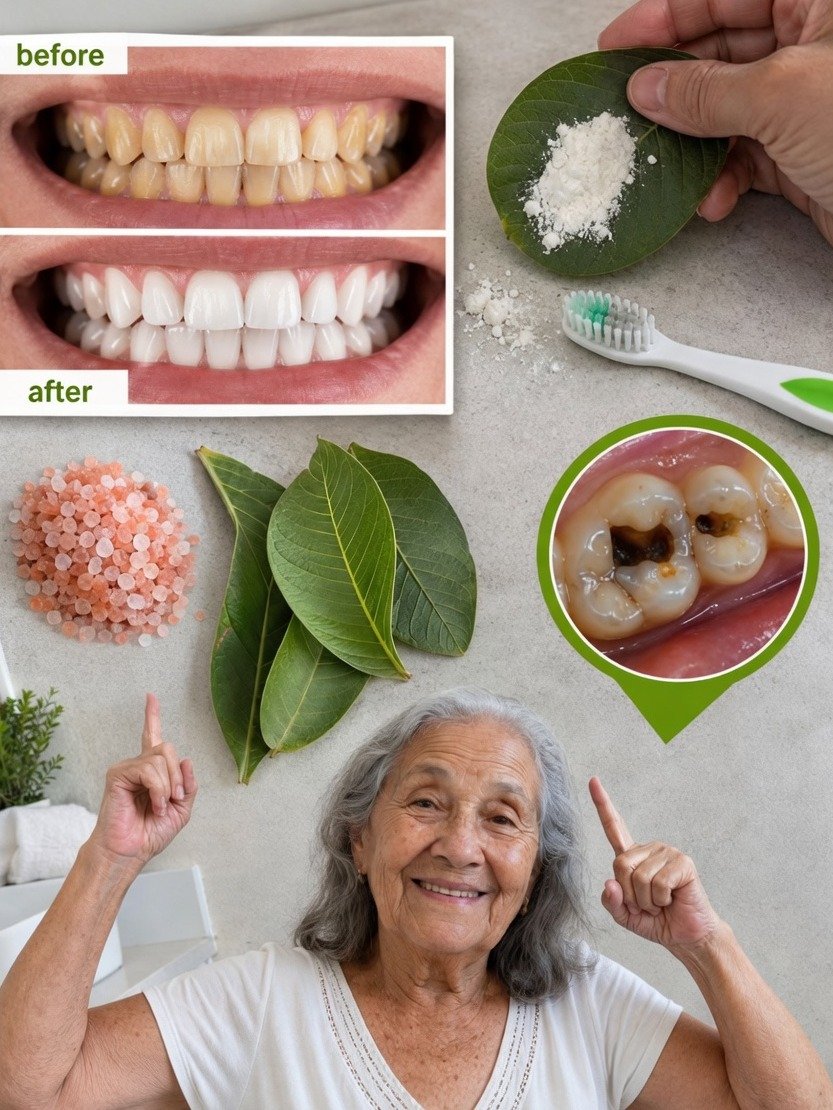
DANGER ZONE: “Natural” Methods That Are Actually HARMFUL
Be warned: many popular DIY whitening trends found online can inflict irreversible damage on your teeth. Here’s what to steer clear of:
❌ Lemon or other citrus-based whitening concoctions
The extremely high acidity in citrus fruits is a potent enemy of your tooth enamel, leading to dangerous erosion and increased sensitivity.
❌ Activated charcoal powder
While trendy, charcoal is highly abrasive and can act like sandpaper on your teeth, gradually wearing away vital enamel and exposing the yellower dentin underneath.
❌ Aggressive salt scrubbing
Using salt to scrub your teeth can create microscopic scratches and abrasions on the enamel, making your teeth more susceptible to stains and decay.
❌ Any “fast whitening overnight” home remedies
It’s a harsh reality, but no truly natural method can safely or effectively bleach your teeth instantly. Be extremely skeptical of any claims promising dramatic, rapid results.
When to Call the Pros: Safe & Effective Whitening Solutions
For truly noticeable and lasting whitening results, consulting with your dentist is the gold standard. Dental professionals have access to a range of proven and safe treatments:
- Prescription-strength whitening toothpastes (offering a more pronounced, yet still mild, effect than over-the-counter versions)
- Professional-grade whitening gels, applied either in-office or at home with guidance
- Advanced laser whitening treatments for rapid, dramatic results
- Custom-fitted whitening trays, designed specifically for your mouth to ensure even application and safety
Unlike unpredictable DIY solutions, these professional methods are meticulously controlled, scientifically backed, and significantly safer than experimenting with harsh acids or abrasive home remedies.
CRITICAL WARNING: The Hidden Dangers of DIY Whitening
It’s vital to understand that even seemingly “natural” methods, when misused or overused, can have severe and lasting consequences for your oral health. Pushing these remedies too far can tragically lead to:
- Irreversible enamel erosion, weakening your teeth permanently
- Excruciating tooth sensitivity to hot, cold, and sweet foods
- Painful gum irritation and inflammation
- Potentially permanent damage that may require extensive dental repair
Your Path to a Truly Brighter, Healthier Smile
While certain natural approaches can play a minor role in tackling superficial stains, it’s crucial to manage expectations. They simply cannot deliver the dramatic, intrinsic tooth whitening achieved through professional dental treatments, nor are they a substitute for expert care. For a smile that is both dazzling and genuinely healthy, the most reliable and safest strategy remains a consistent regimen of excellent oral hygiene, complemented by professional dental guidance and treatments as needed.
Ultimately, your long-term oral health and the vibrancy of your smile are built on solid, healthy habits, far outweighing the fleeting promises of any quick-fix home remedy.