 By admin
 Every autumn, your social feeds explode with pumpkin spice everything, but beyond the lattes and pies, this vibrant squash is often hailed as a miracle cure for everything from diabetes to stubborn weight. But what if much of what you hear online about pumpkin’s magical powers is simply… not true? Get ready to uncover the real science-backed benefits of pumpkin, and finally separate fact from fiction.
While undeniably a powerhouse of nutrition, it’s crucial to remember that pumpkin serves as a healthy dietary addition, not a replacement for medical treatments or professional health advice.
Belonging to the versatile squash family, pumpkin is celebrated globally and finds its way into an incredible array of culinary creations, from comforting sweet desserts to hearty savory main courses.
This humble gourd is packed with an impressive array of essential nutrients, including:
- Fiber
- Beta-carotene (vitamin A precursor)
- Vitamin C
- Potassium
- Antioxidants
- Low calories
Potential Health Benefits
1. Supports Healthy Digestion
Thanks to its abundant fiber content, pumpkin plays a vital role in maintaining a well-functioning digestive system and promoting regular bowel movements, contributing to overall gut health.
2. Nutrient-Rich and Low in Calories
Its remarkable nutrient density coupled with a low-calorie profile makes pumpkin an excellent choice for incorporating into a balanced diet, helping you feel full without excess calories.
3. Supports Eye and Skin Health
The vibrant orange hue of pumpkin comes from beta-carotene, a powerful antioxidant that your body converts into Vitamin A—essential for maintaining healthy vision and promoting radiant, well-nourished skin.
4. May Help Blood Sugar Control (Supportive Role)
Emerging research indicates that fiber-rich foods like pumpkin can contribute to supporting more stable blood sugar levels when integrated into a comprehensive, balanced dietary plan. However, it is absolutely vital to understand that pumpkin should never be considered a substitute for prescribed diabetes medication or a proper treatment regimen.
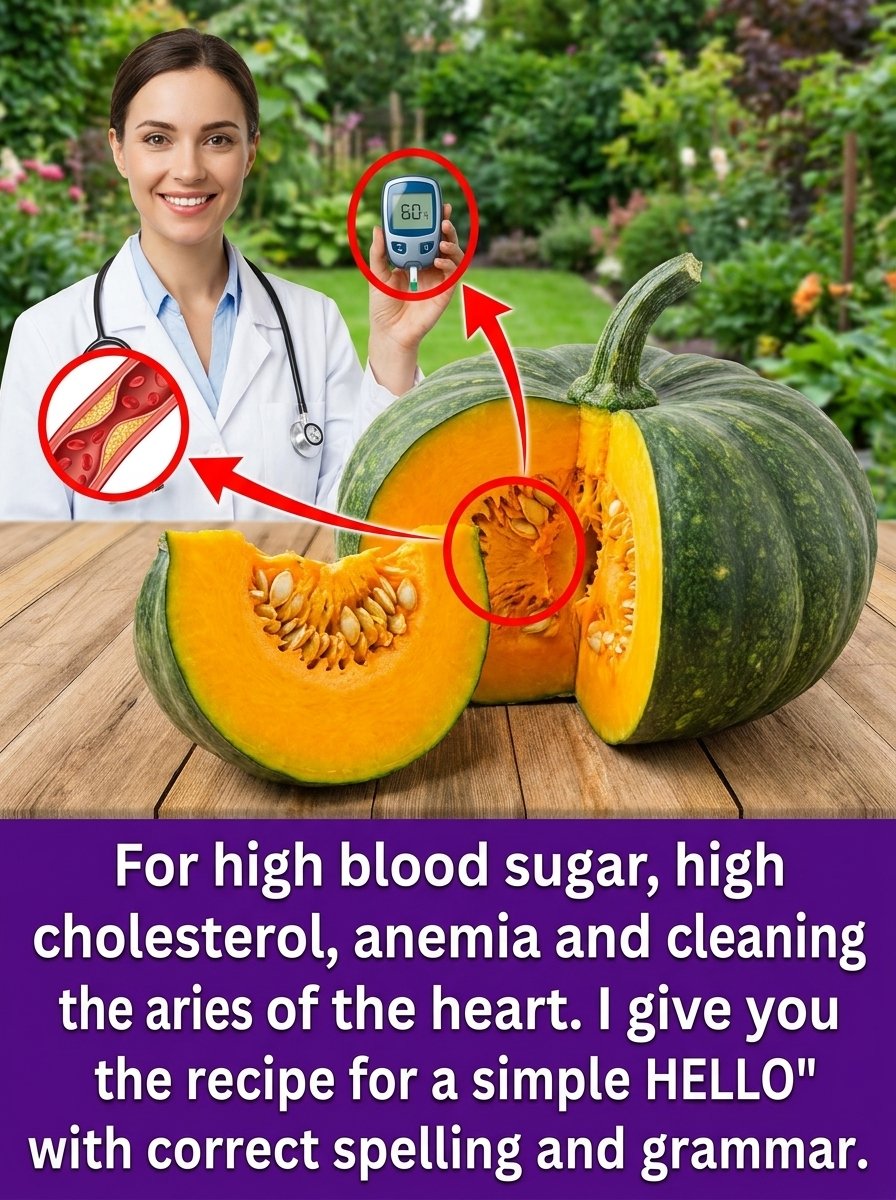
Important Reality Check
❌ Pumpkin does NOT cure diabetes
It’s a crucial truth: no single food, including pumpkin, possesses the power to cure or reverse chronic diseases like diabetes. Managing such conditions requires medical intervention and a holistic lifestyle approach.
❌ It does NOT “detox” the body
Despite popular claims, your body is incredibly efficient at self-cleansing. Your liver and kidneys are highly sophisticated organs specifically designed to handle all necessary detoxification processes naturally.
❌ It does NOT cause rapid weight loss alone
While pumpkin can be a healthy part of a weight management strategy due to its low calorie count and fiber, achieving sustainable weight loss is a complex process that demands consistent, overall lifestyle modifications, including diet and exercise.
Healthy Ways to Eat Pumpkin
- Pumpkin soup
- Roasted pumpkin
- Pumpkin puree
- Added to stews and curries
- Smoothies (in moderation)
Foods That Support Metabolic Health
- Leafy greens
Spinach - Citrus fruits
Orange - Berries
Blueberry - Healthy fats
Avocado
Common Myths About Pumpkin
Myth: Pumpkin cures diabetes
This is a widespread misconception. There is absolutely no credible scientific evidence or research to support the claim that pumpkin can cure diabetes or any other chronic illness.
Myth: Pumpkin burns fat
While pumpkin can certainly enhance the nutritional quality of your diet, making you feel fuller and potentially reducing overall calorie intake, it does not possess any inherent fat-burning properties on its own.
Myth: More pumpkin = better health
As with all foods, moderation and variety are paramount. Optimal health stems from a well-rounded, balanced diet rich in diverse nutrients, not from overconsumption of any single item.
Possible Side Effects
For most individuals, consuming pumpkin in reasonable amounts is perfectly safe. However, in some cases, particularly with excessive intake, you might experience certain side effects:
- Bloating (in some people)
- Digestive changes due to high fiber
- Blood sugar fluctuations if eaten with sugar-rich recipes
Final Thoughts
Ultimately, pumpkin stands out as a truly nutritious and versatile vegetable, offering a fantastic source of fiber, essential vitamins, and protective antioxidants that contribute positively to your overall health and vitality. Yet, it’s crucial to reiterate that despite its many benefits, pumpkin is not a miraculous cure-all for diseases, nor should it ever replace professional medical treatments or advice.
Achieving and maintaining optimal health is a journey best supported by a holistic approach: embracing a consistently balanced diet, engaging in regular physical activity, and seeking appropriate medical care whenever necessary. Pumpkin can be a wonderful part of this journey, but it’s just one piece of the puzzle.