 By admin
 What if the organ silently working hardest to keep you healthy was slowly being suffocated by fat, without you even knowing it? Fatty liver disease is a global health challenge, affecting millions, yet often goes undetected until it’s too late. This prevalent condition arises when an excessive amount of fat builds up within your liver, potentially hindering its vital functions over time.
Alarmingly, in its initial phases, fatty liver disease frequently progresses without any obvious indicators or symptoms. This “silent” nature means a significant number of individuals could be living with the condition, completely unaware. Recognizing these subtle warning signs and understanding the associated risk factors is absolutely crucial for early detection and to inspire proactive, health-conscious lifestyle decisions.
At its core, fatty liver disease is characterized by an accumulation of fat that accounts for a substantial percentage of the liver’s overall mass. This condition primarily manifests in two distinct forms:
- Non-alcoholic fatty liver disease (NAFLD), a type that doesn’t stem from heavy alcohol use.
- Alcohol-related fatty liver disease, directly linked to consuming excessive amounts of alcohol.
Without proper management, fatty liver disease has the potential to advance into far more severe liver complications for certain individuals.
Unmasking the Common Symptoms of Fatty Liver Disease
While it’s true that many individuals remain symptom-free in the initial phases, as the disease progresses and becomes more established, a range of noticeable symptoms can begin to emerge.
1. Persistent, Debilitating Fatigue
A pervasive sense of tiredness or a profound lack of energy stands out as one of the most commonly reported indicators of fatty liver disease.
Those affected might find themselves grappling with:
- A noticeable drop in stamina
- Trouble focusing or “brain fog”
- An overarching feeling of physical weakness
While fatigue can certainly stem from numerous sources, a persistent and unexplained lack of energy is a symptom that absolutely warrants attention and should never be dismissed.
2. Unexplained Discomfort in the Upper Right Abdomen
A number of people with fatty liver disease describe experiencing a mild, dull discomfort or a distinct sensation of fullness in the upper right quadrant of their abdomen, precisely where the liver resides.
This feeling can manifest as anything from a gentle, persistent pressure to sporadic, nagging aches that come and go.
3. Mysterious Weight Fluctuations
Although fatty liver disease is frequently linked to being overweight or obese, it’s not uncommon for some individuals to observe surprising and unexplainable shifts in their body weight or even their appetite.
4. Persistent Abdominal Fullness or Bloating
In certain instances, a persistent sensation of abdominal fullness or noticeable bloating can arise, particularly when the condition starts to impact overall digestive function.
5. Struggling to Sustain Energy Levels
Many individuals report a significant decline in their physical performance or find themselves utterly drained and exhausted after engaging in activities that they once found effortless.
Urgent: Advanced Symptoms Demanding Immediate Medical Attention
As liver disease progresses and reaches a more severe stage, a range of critical symptoms may manifest, requiring prompt professional evaluation:
Jaundice: Yellowing of the Skin or Eyes
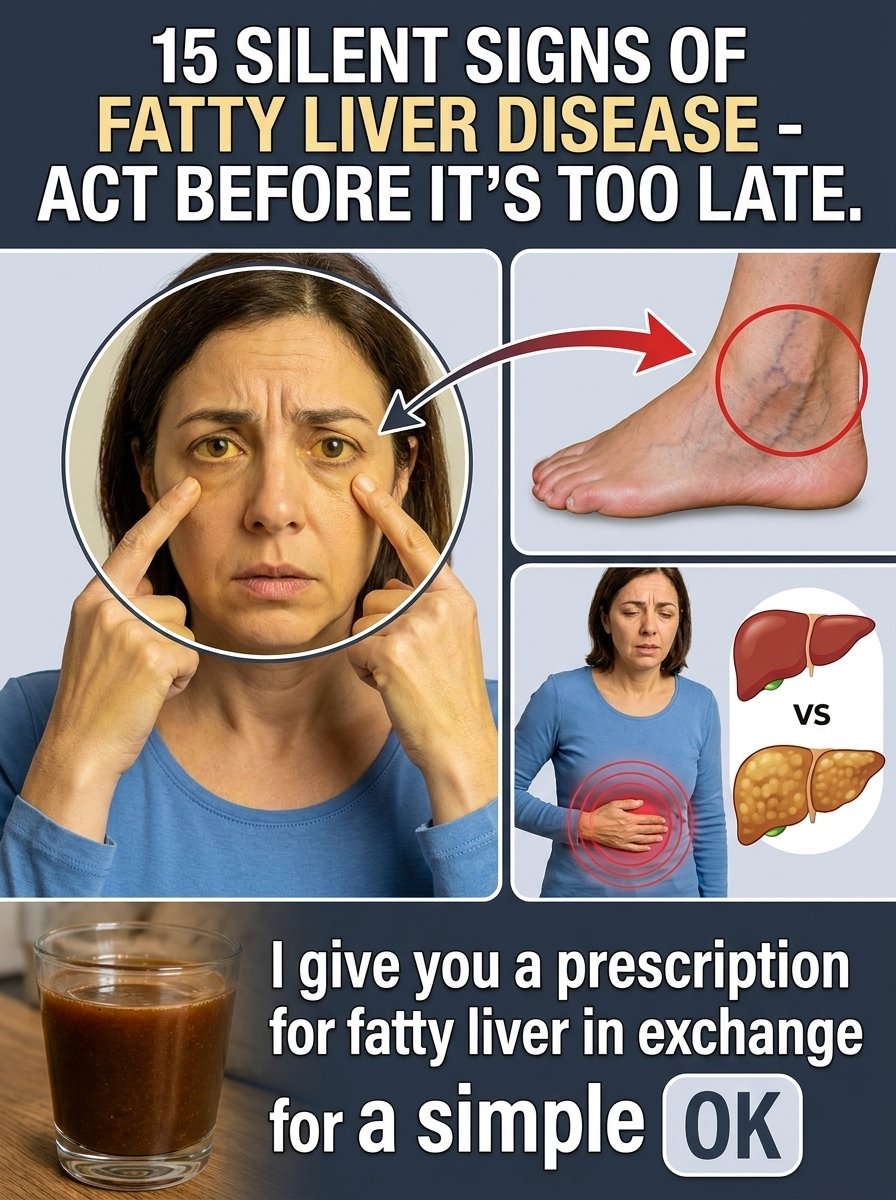
This tell-tale sign, medically termed jaundice, where the skin or whites of the eyes take on a yellowish hue, is a critical symptom that absolutely necessitates immediate medical assessment.
Unexplained Swelling
The body’s inability to properly manage fluids can lead to significant swelling, particularly in areas such as:
- The legs
- Ankles
- Feet
- And even the abdomen
Unusual or Easy Bruising
Given the liver’s critical involvement in the complex process of blood clotting, any significant impairment of its function can manifest as an increased tendency for easy or unexplained bruising in some affected individuals.
Mental Fog and Confusion
When liver disease reaches advanced stages, its impact can extend to brain function, potentially resulting in noticeable confusion, significant memory problems, or a profound struggle with concentration.
Who’s at Risk? Key Factors Increasing Your Chances of Fatty Liver Disease
Understanding your personal risk profile is vital. A number of identifiable factors can significantly elevate the probability of developing fatty liver disease:
Excess Body Weight and Obesity
Maintaining an unhealthy amount of body fat, particularly obesity, stands as one of the most prominent and impactful risk factors for liver fat accumulation.
Type 2 Diabetes
There’s a well-established and close connection between Type 2 Diabetes and the development of fatty liver disease.
High Cholesterol and Triglyceride Levels
Unhealthy, elevated levels of lipids in the blood, such as high cholesterol and triglycerides, can significantly contribute to the dangerous build-up of fat within the liver.
A Sedentary Lifestyle
An insufficient amount of consistent physical activity can have a detrimental impact on overall metabolic health, thereby increasing liver vulnerability.
Excessive Alcohol Consumption
It’s critical to note that heavy and prolonged alcohol intake is a primary and significant driver of alcohol-related fatty liver disease.
How Medical Professionals Diagnose Fatty Liver Disease
To accurately diagnose fatty liver disease, healthcare providers typically employ a combination of diagnostic tools, which may include:
- A thorough review of your medical history and a comprehensive physical examination
- Specific blood tests to check liver enzymes and other markers
- Imaging techniques like ultrasound to visualize the liver
- More advanced MRI scans for detailed assessment
- Specialized non-invasive liver assessments to measure stiffness and fat content
Considering the often symptom-free nature of early-stage fatty liver disease, regular health checkups and preventative screenings are incredibly valuable for catching the condition early.
Transform Your Health: Essential Lifestyle Habits for Optimal Liver Wellness
While the specific treatment approach for fatty liver disease is always tailored to individual circumstances, adopting a set of healthy lifestyle habits is universally beneficial and can profoundly support your overall liver wellness.
Achieve and Maintain a Healthy Weight
Implementing a gradual and sustainable approach to weight management has been shown to significantly help in reducing accumulated liver fat for a considerable number of individuals.
Prioritize Nutrient-Rich Foods
To nourish your liver, build your diet around:
- Abundant vegetables
- Fresh fruits
- Wholesome whole grains
- Quality lean proteins
- Beneficial healthy fats
Drastically Limit Highly Processed Foods
Significantly cutting back on the excessive consumption of sugary drinks and heavily processed foods can provide substantial support for your overall metabolic health and, by extension, your liver.
Stay Consistently Physically Active
Make it a goal to incorporate consistent, regular exercise into your routine, choosing activities like:
- Brisk walking
- Invigorating cycling
- Refreshing swimming
- Effective strength training
Critically Limit Alcohol Intake
Adhering strictly to medical recommendations and guidelines concerning alcohol consumption is a fundamental step in safeguarding and promoting optimal liver health.
Power Up Your Plate: Foods That Actively Support Liver Wellness
While it’s important to understand that no single food can miraculously cure fatty liver disease, integrating a variety of nutrient-dense choices into your diet can significantly bolster your overall health and liver function.
Consider incorporating these beneficial examples:
- Vibrant leafy green vegetables
- Antioxidant-rich berries
- Heart-healthy oats
- Omega-3 rich fatty fish
- Wholesome nuts
- Pure olive oil
These powerful foods can seamlessly become a cornerstone of a truly balanced and liver-friendly eating pattern.
Don’t Wait! When to Immediately See a Healthcare Professional
It is absolutely crucial to seek consultation with a qualified healthcare provider without delay if you begin to experience any of the following concerning symptoms:
- Ongoing, persistent fatigue that doesn’t resolve
- Unexplained and bothersome abdominal discomfort
- Any signs of jaundice (yellowing skin or eyes)
- Unexplained swelling in your extremities or abdomen
- Mysterious or unintentional weight changes
- Persistent or worsening digestive concerns
Undergoing an early and thorough medical evaluation is paramount; it can swiftly pinpoint any underlying liver issues and ensure you receive the precise and timely care you need.
Your Top Questions Answered: Frequently Asked Questions About Fatty Liver Disease
Is it possible to reverse fatty liver disease?
Encouragingly, in many instances, significant lifestyle modifications — including effective weight management, adopting a nutrient-rich diet, and increasing physical activity — can indeed help to reduce liver fat. However, it’s crucial to understand that individual outcomes can vary widely.
Does fatty liver disease invariably present with symptoms?
Absolutely not. A large number of individuals with fatty liver disease experience no discernible symptoms, particularly in its initial, stealthy phases, making it a truly “silent” condition.
Are there any supplements that can cure fatty liver disease?
As of now, there is no scientific evidence to suggest that any specific supplement can definitively cure fatty liver disease. Instead, adopting and maintaining healthy lifestyle habits remains the undisputed cornerstone and most effective strategy for its management.
Your Liver Matters: Final, Crucial Thoughts
Fatty liver disease, a remarkably prevalent condition, frequently progresses stealthily without revealing any clear symptoms. Therefore, being vigilant and recognizing potential subtle warning signs
—like persistent fatigue, unexplained abdominal discomfort, or mysterious shifts in your overall health
—can be the vital catalyst that prompts earlier medical evaluation and intervention.
Ultimately, the most powerful strategy for nurturing optimal liver health encompasses a holistic approach: embracing balanced, nutritious eating, engaging in consistent physical activity, striving to maintain a healthy body weight, responsibly limiting alcohol consumption, and, critically, consulting with a trusted healthcare professional whenever any concerns about your liver or general well-being emerge.