 By admin
 Are you tired of staring at those deepening lines, feeling frustrated by creams that promise the world but deliver little? What if we told you there’s a viral trend claiming a simple mix of yeast and yogurt can magically smooth wrinkles in minutes? Before you rush to your kitchen, there’s a crucial truth about this popular DIY remedy that almost everyone misses, and understanding it could save your skin (and your disappointment).
What Is the Yeast and Yogurt Skin Trend Everyone Is Talking About?
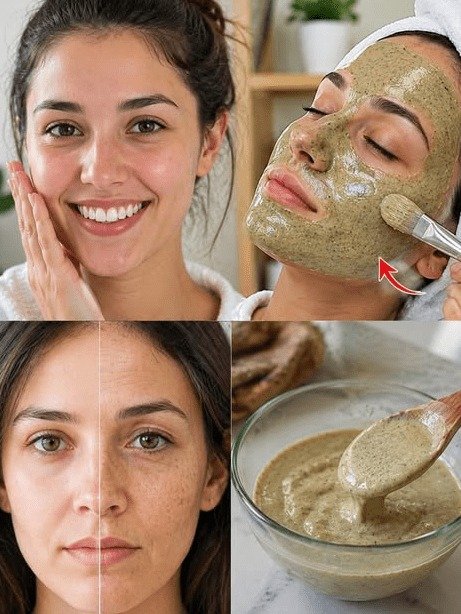
This viral skincare sensation revolves around a deceptively simple concept: combine yeast and yogurt, apply to your face, and supposedly watch wrinkles vanish, leaving behind a youthful glow. Social media feeds are flooded with astonishing before-and-after transformations, making it seem like a miracle solution.
But let’s pull back the curtain on this trend…
While the blend of fermented ingredients like yogurt (rich in lactic acid, a mild exfoliant) and yeast (packed with beneficial B vitamins and other nutrients) has roots in ancient beauty practices, the true interaction of these components with mature skin is frequently misinterpreted.
Why people are drawn to it
It’s perfectly natural why so many, especially older adults, are drawn to such an accessible, natural, and inexpensive alternative to costly, high-tech skincare. That’s understandable.
The appeal is clear:
• A yearning for uncomplicated routines
• A healthy skepticism toward complex chemical formulations
• The allure of budget-friendly solutions
• Above all, the deep desire for rapid, visible improvements
Yet—and this is important—the term “natural” doesn’t automatically equate to “effective” or “universally safe” for every complexion.
Can Yeast and Yogurt Really Smooth Wrinkles Quickly?
Now, let’s tackle the boldest promise head-on: the idea of dramatically reduced wrinkles within mere minutes.
Here’s the undeniable reality…
No superficial, topical concoction possesses the power to fundamentally alter the deep-seated structure of wrinkles in such a short timeframe. Those lines and creases are the result of a complex interplay of factors, including:
• The gradual loss of collagen over time
• Diminished skin elasticity
• Cumulative sun damage
• The inherent processes of natural aging
While a mask featuring yogurt might impart a fleeting sensation of softness or a subtle brightening effect, thanks to its hydrating properties and gentle exfoliation, this perceived improvement is, by its very nature, transient.
What you might actually notice
Indeed, following the application of this particular mixture, anecdotal reports often highlight certain immediate sensations:
• A noticeably smoother texture to the touch
• A faint, hydrated radiance
• Or even a subtle feeling of skin tightening
However, it’s crucial to understand that these fleeting benefits typically diminish within a few hours or, at the very latest, after your next face wash.
This rapid disappearance of results is precisely where many users experience significant disappointment.
The Science Behind Yogurt and Yeast on Skin
Let’s dive into the scientific insights regarding how yogurt and yeast interact with your skin, presented in a clear and easy-to-understand manner.
Yogurt benefits
Yogurt is a natural source of lactic acid, a well-known alpha hydroxy acid (AHA). This component actively works to:
• Gently slough away dead skin cells
• Promote a noticeably smoother skin texture
• And potentially revitalize dull complexions
Extensive research on mild AHAs confirms their ability to enhance overall skin appearance, but this requires diligent, consistent application over an extended period.
Yeast benefits
Yeast is packed with a beneficial array of compounds, including:
• Various B vitamins
• Essential amino acids
• Powerful antioxidants
While these nutrients are undoubtedly supportive of general skin health, their ability to be effectively absorbed and utilized when applied topically to the skin remains quite limited.
The key takeaway
The essential conclusion here is that while these ingredients can certainly contribute to general skin maintenance—they are unlikely to deliver a dramatic transformation.
But that’s not all…
Their ultimate efficacy is heavily influenced by factors such as the frequency of application, your individual skin type, and the comprehensive nature of your broader skincare regimen.
Potential Risks Seniors Should Not Ignore
This critical section is often conveniently omitted from viral online discussions—and yet it holds immense importance, particularly for mature skin.
As we gracefully age, our skin naturally undergoes changes, becoming progressively thinner and considerably more delicate and sensitive.
Possible side effects
Experimenting with homemade skincare concoctions, especially on aging skin, carries potential risks. These can manifest as:
• Noticeable redness or irritation
• Unexpected allergic reactions
• Unwelcome breakouts in those with sensitive complexions
• Or even excessive dryness if the mixture is applied too often
These adverse effects are particularly common if the mask is used with excessive frequency or left on for an extended duration.
A quick safety checklist
Before you consider applying any homemade mask to your face, it’s absolutely vital to follow a simple safety protocol:
• Always perform a patch test on a discreet, small area of skin (such as your inner wrist or behind your ear)
• Never apply the mixture to skin that is already broken, inflamed, or irritated
• Ensure you use only the freshest, cleanest ingredients available
• Restrict its use to a maximum of 1-2 times per week
And most importantly, if you experience any discomfort or adverse reaction, rinse it off completely without delay.
Yeast and Yogurt vs Proven Skincare Habits
Let’s objectively contrast this trending DIY method with established, evidence-backed skincare practices that are scientifically proven to foster genuinely healthy and vibrant-looking skin over the long term.
Comparison Table
| Method | Short-Term Effect | Long-Term Benefit | Safety |
|---|---|---|---|
| Yeast + Yogurt Mask | Temporary softness | Limited evidence | Moderate (depends on skin) |
| Daily Moisturizer | Hydration boost | Supports skin barrier | High |
| Sunscreen Use | Prevents damage | Helps reduce aging signs | Very High |
| Gentle Cleansing | Clean feel | Maintains skin health | High |
| Balanced Diet | Not immediate | Supports skin from within | Very High |
What stands out?
What becomes undeniably clear is that consistent, diligent skincare habits will always yield superior results compared to any fleeting “quick fix.”
But here’s the interesting part…
However, incorporating occasional, natural masks into an otherwise solid daily routine can still be a delightful and beneficial experience—provided it’s approached with caution, safety, and a healthy dose of realistic expectations.
How to Use a Yogurt and Yeast Mask Safely at Home
Should your curiosity lead you to experiment with this mask, here is a meticulously outlined, cautious approach to ensure your safety and minimize potential issues.
Step-by-step guide
Step 1
Mix 1 tablespoon plain yogurt with a small pinch of yeast
Step 2
Stir until smooth
Step 3
Apply a thin layer to clean skin
Step 4
Leave on for 5 to 10 minutes only
Step 5
Rinse with lukewarm water
Step 6
Apply a gentle moisturizer afterward
Important tips
• Never leave the mask on for an extended period
• Meticulously avoid the delicate skin around your eyes
• Limit application to no more than once a week
• And critically, always pay close attention to how your skin responds after each use
Remember this vital distinction…
This mask serves as a supplementary, supportive step, not a fundamental replacement for a comprehensive and effective skincare regimen.
Small Daily Habits That Make a Bigger Difference
Here lies the true foundation for cultivating real, enduring skin health and noticeable improvements.
Simple habits that matter most
• Ensure you hydrate adequately by drinking sufficient water every day
• Prioritize consistent, restorative sleep
• Diligently shield your skin from harmful sun exposure
• Nourish your body with a diet rich in antioxidant-packed fruits and vegetables
• And consciously steer clear of aggressive or harsh skincare formulations
Extensive scientific research consistently underscores the profound influence of lifestyle choices on the aging process of our skin.
These aren’t overnight miracles, but rather a steady, cumulative path to healthier skin.
Conclusion: Should You Try It or Skip It?
So, after weighing all the evidence, should you incorporate the yeast and yogurt mixture into your routine or give it a pass? While generally not harmful for most individuals when applied judiciously—it’s unequivocally not a miraculous cure-all.
Consider it a minor, supplementary addition, rather than the cornerstone of your skincare strategy.
If your true aspiration is genuinely healthier-looking skin, your efforts should be primarily directed towards unwavering consistency, diligent protection, and compassionate, gentle care.
And that “secret” we hinted at earlier?
It resides not in a pantry ingredient, but rather in the power of your unwavering daily habits.
Frequently Asked Questions (FAQ)
1. Can natural masks replace skincare products?
Absolutely not. While natural masks can serve as a beneficial complement to your existing regimen, they are never a substitute for foundational essentials such as a high-quality moisturizer and daily sunscreen.
2. How often should I use a yogurt mask?
Generally, applying it once a week is ample. Excessive or too frequent use risks causing irritation to your skin.
3. Why do results from DIY masks seem temporary?
The primary reason is that these masks predominantly act on the outermost surface of your skin. They do not penetrate or alter the deeper structural layers where the true formation of wrinkles originates.
Disclaimer
Please note: This article is provided strictly for informational purposes and should never be considered a substitute for professional medical or dermatological advice. If you possess sensitive skin, suffer from a pre-existing skin condition, or have any concerns, it is imperative to consult a qualified healthcare provider or dermatologist before attempting any new skincare methods or remedies.