 By admin
 Ever found yourself subtly shying away from garlic, haunted by the ghost of bad breath? We’ve all been there, feeling that pang of embarrassment after a garlicky meal. But what if that very avoidance is causing you to miss out on one of the simplest, most potent daily habits for supporting your body as it ages? The truth isn’t about whether garlic is ‘good’ or ‘bad,’ but rather if you’re harnessing its power correctly – and there’s a crucial, often-ignored approach that could completely transform your perspective.
Why Garlic Keeps Showing Up in Health Conversations
Garlic has held a cherished place in traditional diets for countless generations, spanning thousands of years. From bustling family kitchens to ancient herbal remedies, its role has always extended far beyond simply enhancing flavor.
However, there’s a deeper reason…
Contemporary scientific investigations have increasingly focused on understanding precisely why garlic consistently emerges in discussions surrounding everyday wellness. Researchers frequently highlight the significance of compounds like allicin, which naturally forms when garlic cloves are either crushed or finely chopped.
Some studies indicate that these potent natural compounds might:
• Bolster the body’s innate defense mechanisms
• Aid in sustaining healthy circulation
• Play a role in maintaining overall immune balance
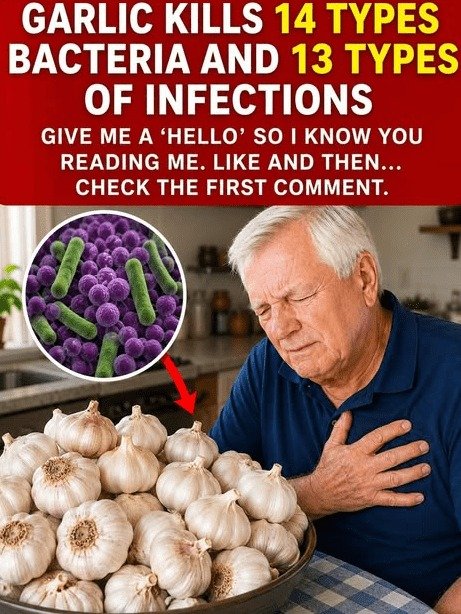
It’s crucial to note, though, that sensational claims, such as “garlic eliminates 14 types of bacteria,” can be highly misleading when taken out of their scientific context. Most of these intriguing discoveries originate from controlled laboratory settings, not from typical daily consumption.
And grasping this distinction is vital.
Because what unfolds in a meticulously controlled lab environment doesn’t always directly translate to the real-world impact of garlic on your dinner plate.
What Science Actually Says About Garlic and Bacteria
Let’s cut through the confusion and get to the facts.
Indeed, scientific investigations have demonstrated that concentrated garlic extracts can impact specific bacteria when observed under strict, controlled laboratory conditions. However, this finding absolutely does not imply that simply eating garlic will magically “cure infections” within the human body.
Here’s a clear breakdown of the fundamental differences:
| Laboratory Findings | Real-Life Application |
|---|---|
| Highly concentrated garlic compounds are employed | Typical daily dietary intake of garlic |
| Direct, isolated contact with bacterial cultures | Complex, interconnected human bodily systems |
| A meticulously controlled and isolated environment | Numerous variables at play (diet, age, overall health status) |
In simpler terms…
While garlic may offer a valuable supportive role for your well-being, it should never be considered a substitute for professional medical treatment or essential hygiene practices.
And this crucial distinction is where many individuals often misunderstand its true potential.
Why Older Adults May Benefit More from Garlic
As the years pass, our bodies undergo subtle yet significant transformations.
You might start to observe:
• A gradual slowing of digestive processes
• A decrease in immune system responsiveness
• An increased sensitivity to inflammatory triggers
This is precisely why incorporating small, consistent habits becomes more vital than ever.
Garlic, when integrated thoughtfully into your diet, has the potential to:
• Support healthy immune system function
• Promote robust and normal blood flow
• Deliver valuable antioxidant compounds to your body
But hold on…
This absolutely doesn’t mean that “more is always better.”
In fact, consuming excessive amounts of garlic can unfortunately lead to:
• Unpleasant stomach discomfort
• Persistent bad breath and social awkwardness
• Potential interactions with specific medications (especially blood thinners)
Therefore, finding the right balance is paramount.
Raw vs Cooked Garlic: Which One Should You Choose?
This is where understanding the nuances of preparation truly becomes fascinating.
The way you choose to prepare your garlic can significantly impact its beneficial properties.
Here’s a straightforward comparison to guide you:
| Type | Characteristics | Practical Use |
|---|---|---|
| Raw garlic | Features a robust flavor profile and retains more active compounds | Best used in small quantities, typically crushed or minced |
| Cooked garlic | Offers a milder taste and is generally easier on digestion | Ideal for incorporating into your daily meals |
| Aged garlic | Known for its reduced odor and more stable beneficial compounds | Often found in supplement form or specialized extracts |
Now, here’s a clever technique many people aren’t aware of…
Allowing crushed or chopped garlic to rest for approximately 5 to 10 minutes before you begin cooking it can actually help to preserve some of its most valuable natural compounds.
It might seem like a minor step, but this small pause can truly make a meaningful difference in maximizing its potential benefits.
Common Mistakes People Make with Garlic
Let’s have an honest conversation for a moment.
Many individuals tend to fall into one of two camps: either they consume garlic in excessive amounts, or they completely eliminate it from their diet.
Both approaches can unfortunately present their own set of challenges.
Here are the most prevalent errors people make:
• Ingesting too much raw garlic in a single sitting
• Relying on garlic as an instant “quick fix” instead of a consistent daily habit
• Disregarding or pushing through any digestive discomfort it may cause
• Falling prey to and believing exaggerated health claims found online
And here’s the undeniable reality…
True, lasting health is never built upon the merits of a single ingredient alone.
Instead, it’s meticulously constructed through a foundation of consistent, mindful habits.
Garlic, in its proper context, is merely one small, yet valuable, piece within a much larger, holistic wellness picture.
Simple Daily Habits to Use Garlic Safely
If your goal is to integrate garlic into your life wisely and effectively, keep your approach straightforward.
Here’s a practical, easy-to-follow routine you can adopt:
Step 1
Aim for 1 to 2 cloves daily, incorporated into your meals
Step 2
Crush or chop the garlic and allow it to sit briefly before cooking
Step 3
Combine it with healthy fats, such as high-quality olive oil
Step 4
Avoid consuming large quantities of garlic on an empty stomach
Step 5
Carefully observe and pay attention to how your body responds and reacts
But remember, there’s more to it than just these steps…
Consistency in your habits far outweighs the occasional large quantity.
A small, regular daily practice is significantly more impactful and beneficial than sporadic, extreme consumption.
The Emotional Side: Why Many People Avoid Garlic
Let’s be completely candid for a moment.
A significant number of older adults steer clear of garlic, not due to genuine health concerns, but primarily because of the potential for social discomfort.
The fear of bad breath, perceived body odor, and the sheer embarrassment associated with it can understandably make anyone hesitant.
That feeling is entirely valid and relatable.
However, instead of outright abandoning garlic, consider adopting these smart strategies:
• Opt for cooked garlic over raw, especially before social engagements
• Chew on fresh parsley or mint leaves afterward to freshen your breath
• Maintain a diligent and consistent oral hygiene routine
Because here’s the undeniable truth you need to hear…
You absolutely don’t have to give up garlic entirely—you simply need to learn how to manage its effects more effectively and thoughtfully.
Conclusion: Garlic Is Helpful, But Not a Miracle
Garlic has undeniably earned its enduring status in kitchens worldwide for very compelling reasons. It brings unparalleled flavor, a rich cultural tradition, and a host of potential health-supporting compounds to our tables.
Yet, sensationalized and exaggerated claims can unfortunately lead to widespread confusion—and, at times, to making less-than-optimal health decisions.
What’s the truly smarter approach?
Integrate garlic mindfully as a consistent component within a well-rounded and balanced lifestyle.
It’s not a magical shortcut.
It’s certainly not a miraculous cure-all.
It is, quite simply, one valuable daily habit, when done correctly, that can contribute significantly to your overall well-being.
And always remember that it’s these “small, steady choices,” consistently applied over time, that ultimately create the most profound and lasting positive differences in your health journey.
Frequently Asked Questions (FAQ)
Can garlic replace medications for infections?
Absolutely not. Garlic is a food ingredient and should never be used as a substitute for prescribed medical treatments. While it may support general wellness, it is crucial not to replace professional medical care with dietary supplements.
Is it safe to eat garlic every day?
For the majority of individuals, consuming garlic in moderate amounts daily is generally considered safe. However, those with particularly sensitive stomachs or individuals currently taking certain medications should exercise caution and consult a healthcare professional.
Does raw garlic work better than cooked garlic?
Raw garlic typically contains a higher concentration of its active beneficial compounds. However, cooked garlic tends to be easier on the digestive system. Both forms can certainly be a valuable part of a healthy diet, depending on your personal tolerance and preferences.
Disclaimer
This article is provided for informational purposes only and must not be considered a substitute for professional medical advice. Always consult a qualified healthcare provider regarding any health concerns, medical conditions, or before making any significant dietary or lifestyle changes.