 By admin
 What if a simple herb sitting in your spice rack held the key to boosting your immunity, soothing your respiratory system, and calming your digestion? Meet thyme (Thymus vulgaris), a wonderfully fragrant herb that has graced both culinary creations and ancient wellness traditions for centuries. Revered for its distinct aroma and potent concentration of beneficial plant compounds, thyme has long been celebrated as a natural powerhouse for supporting overall health and vitality.
Even today, thyme remains one of the world’s most cherished medicinal herbs, frequently enjoyed as a comforting tea, a flavorful seasoning, or a restorative herbal infusion.
What Is Thyme?
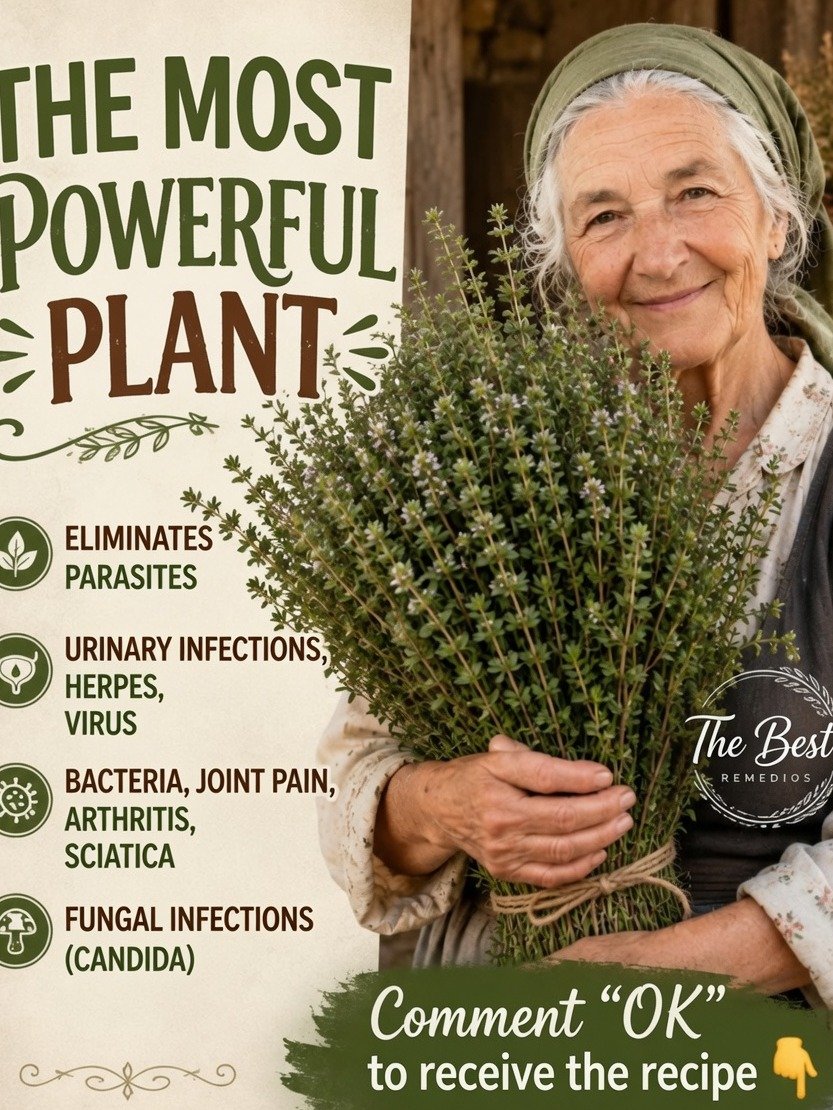
Thyme is a resilient perennial herb belonging to the expansive mint family (Lamiaceae). While it originally hails from the sun-drenched Mediterranean region, its culinary appeal and traditional wellness applications have led to its widespread cultivation across the globe.
This remarkable plant is easily recognized by:
- Its tiny, intensely aromatic leaves
- Its sturdy, woody stems
- Its wonderfully pleasant herbal fragrance
- Its rich concentration of potent natural plant compounds
For countless generations, thyme has been a cornerstone in traditional herbal remedies, specifically formulated to promote respiratory comfort, enhance digestive wellness, and boost overall vitality.
Nutritional Profile of Thyme
While you typically consume thyme in modest quantities, it’s packed with an impressive array of beneficial compounds, including:
- Vitamin C
- Vitamin A
- Potassium
- Iron
- Manganese
- Flavonoids
- Polyphenols
- Essential oils
Among these powerful components, thymol stands out as one of the most extensively researched. This naturally occurring compound is largely responsible for the herb’s signature, distinctively aromatic profile.
Potential Benefits of Thyme
1. Rich in Antioxidants
Thyme is a natural treasure trove of antioxidants, vital compounds that actively work to shield your cells from the damaging effects of oxidative stress caused by free radicals.
Incorporating antioxidant-rich foods and herbs into your daily diet can significantly contribute to your overall wellness journey and support healthy aging.
2. Supports Respiratory Wellness
One of thyme’s oldest and most cherished applications is its use as an herbal tea, particularly popular during those challenging seasonal transitions.
Many individuals turn to soothing thyme infusions as a cherished part of their routine, finding comfort and support for their respiratory system, helping them maintain overall wellness, especially when the colder months arrive.
3. Promotes Digestive Comfort
Throughout history, thyme has held a valued place in traditional herbal practices, specifically recognized for its ability to foster healthy digestion and alleviate digestive discomfort.
Its delightful aromatic compounds have made it a consistently favored ingredient in herbal teas, often savored as a gentle post-meal beverage.
4. Supports Immune Health
The synergistic blend of vitamins, powerful antioxidants, and unique plant compounds present in thyme collectively contribute to its well-deserved reputation as a potent wellness-supporting herb.
When thoughtfully integrated into a balanced diet and a healthy lifestyle, thyme can become an invaluable component of a comprehensive routine aimed at enhancing your overall health and resilience.
5. A Versatile Culinary Herb
Beyond its profound traditional wellness applications, thyme is universally celebrated as an incredibly flavorful seasoning, capable of elevating the taste of countless dishes, from hearty soups and stews to roasted vegetables, succulent meats, and rich sauces.
Ingredients
- 1 teaspoon dried thyme leaves (or 1 tablespoon fresh thyme)
- 1 cup (250 ml) water
Instructions
- Bring the water to a rolling boil.
- Remove the pot from the heat source.
- Carefully add the thyme leaves to the hot water.
- Cover the mixture and allow the tea to steep undisturbed for 5–10 minutes.
- Strain the tea to remove the leaves before you drink it.
For an extra layer of delightful flavor, many individuals choose to enhance their thyme tea with a squeeze of fresh lemon or a small dollop of honey.
Traditional Consumption
Thyme tea is most commonly savored:
- Warm and comforting
- Once or twice throughout the day
- Freshly prepared just before enjoyment
It’s often a go-to beverage during shifts in seasons or as a consistent element within a broader, general wellness regimen.
Additional Wellness Tips
To truly foster your overall health and well-being, consider these essential practices:
Eat a Balanced Diet
Ensure your diet consistently includes a rich variety of:
- Fresh fruits
- Nutrient-dense vegetables
- Wholesome whole grains
- Lean protein sources
- Beneficial healthy fats
Stay Hydrated
Maintaining optimal hydration is crucial, as it underpins normal bodily functions and contributes significantly to your overall vitality and wellness.
Exercise Regularly
Engaging in consistent physical activity is a cornerstone of good health, directly contributing to robust cardiovascular health, enhanced mobility, and sustained long-term well-being across all aspects of your life.
Prioritize Quality Sleep
Adequate, restorative sleep is absolutely essential; it profoundly supports your immune function, aids in cellular repair, and is fundamental to your overall health and daily performance.
Safety Considerations
Thyme is widely regarded as safe for consumption when incorporated into your diet in typical culinary amounts.
However, it’s always wise to be aware of a few important precautions:
Allergies
Individuals who have known sensitivities to other plants within the mint family should exercise caution, as they might potentially experience allergic reactions to thyme.
Pregnancy and Breastfeeding
If you are pregnant or currently breastfeeding, it is strongly recommended that you consult with a qualified healthcare professional before incorporating concentrated thyme products or supplements into your routine.
Use Herbal Products Responsibly
Remember that while herbal remedies can be incredibly supportive, they are intended to complement, not replace, the guidance of professional medical care and any prescribed treatments you may be receiving.
Final Thoughts
Thyme (Thymus vulgaris) truly stands out as an exceptionally versatile herb, boasting a profound history rooted in traditional use and an impressive nutritional profile. Whether you choose to enjoy it as a wonderfully soothing tea, utilize its aromatic qualities in your cooking, or integrate it thoughtfully into your daily wellness routine, thyme consistently provides a natural and rich source of powerful antioxidants and beneficial aromatic plant compounds.
When harmoniously combined with other healthy lifestyle habits, thyme can undeniably become a valuable and enriching addition to a holistic and balanced approach to your everyday wellness and nutritional needs.