 By admin
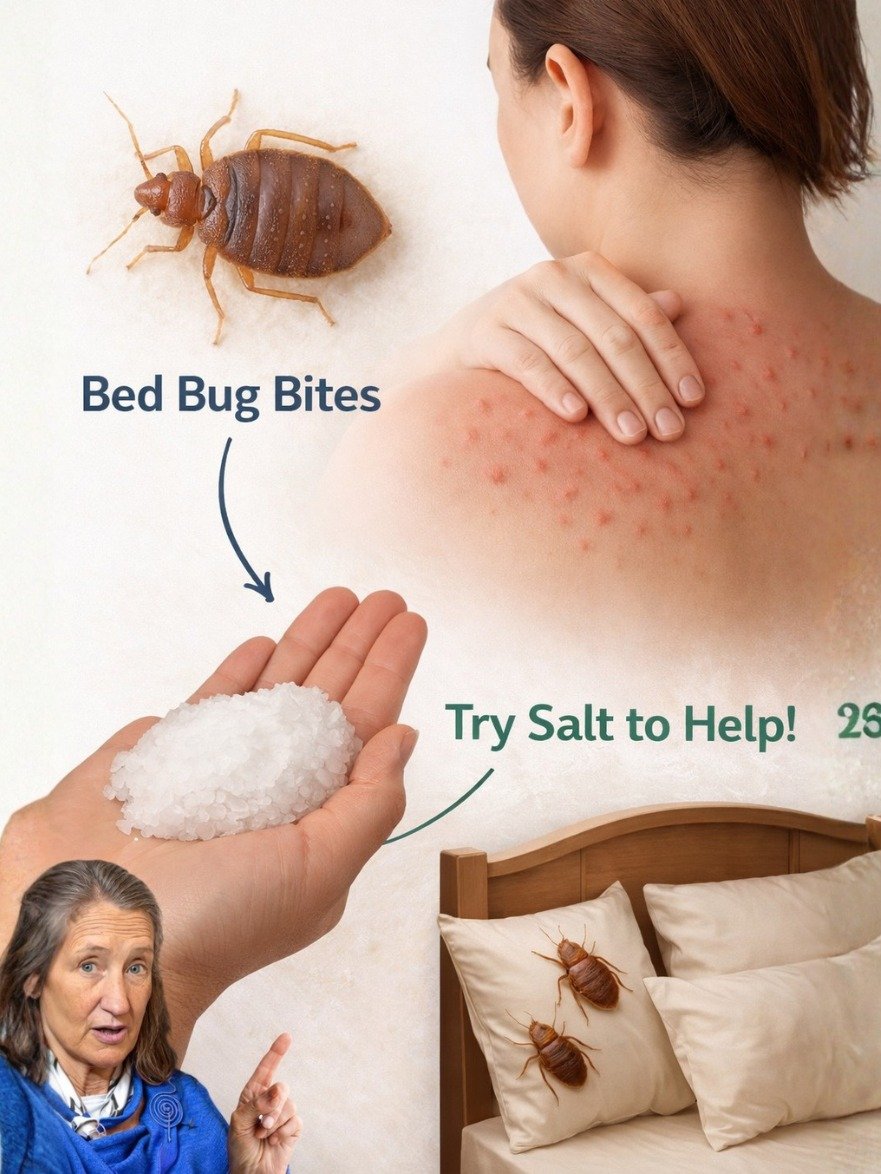
 Imagine spotting tiny, reddish-brown invaders creeping through your precious garden. Your mind immediately jumps to the worst: bedbugs! Before you reach for that salt shaker, a viral internet ‘hack’ promises an instant fix, but what if this popular remedy is not only completely ineffective but potentially harmful to your beloved plants? Many people online are quick to suggest a simple solution: sprinkling salt to eliminate them instantly.
It sounds almost too easy, right? But does this widely circulated trick actually deliver on its promise, or is it just another pervasive internet myth?
Join us as we uncover the surprising truth about the salt method and reveal genuinely safer, more effective strategies to naturally safeguard your garden.
🌱 Can Bedbugs Really Survive and Thrive in Your Garden?
Before you even consider applying any treatment, the crucial first step is to accurately identify the specific pest you’re up against.
Let’s be clear: Bedbugs (Cimex lectularius) are primarily indoor pests, specifically adapted to environments where humans are present for sleep or rest. You’ll typically find them lurking in:
-
Mattresses and bed frames
-
Upholstered furniture
-
Wall cracks and small crevices
-
Luggage or clothing
Given their exclusive diet of human or animal blood, these nocturnal feeders naturally gravitate towards warm, sheltered indoor environments, always staying close to their unsuspecting hosts.
Therefore, if you’re observing small, reddish-brown insects that resemble bedbugs outdoors in your garden, it’s highly probable you’re actually seeing other, often harmless, garden insects, which could include:
-
Firebugs
-
Beetles
-
Certain plant bugs
Accurate identification is absolutely critical before implementing any pest control measures.
🧪 The Salty Truth: Why This Popular Remedy Fails Against Bedbugs
While salt is frequently touted as a natural pest deterrent, effective at dehydrating soft-bodied garden nuisances such as slugs or snails, it’s crucial to understand that bedbugs possess entirely different biological characteristics.
Here’s a closer look at why sprinkling salt typically proves ineffective against these resilient pests:
1️⃣ Their Bodies Are Built for Protection
Unlike vulnerable slugs, bedbugs are equipped with a remarkably tough, wax-coated outer shell (exoskeleton) specifically designed to prevent moisture loss. This robust outer layer effectively shields them, making it nearly impossible for salt crystals to penetrate and cause dehydration.
2️⃣ Salt Isn’t on Their Menu
While numerous garden pests might consume plants or decaying organic matter, potentially ingesting salt in the process, bedbugs operate differently.
These specialized parasites feed exclusively on blood, meaning they have no interest in salt as a food source and will therefore remain completely unaffected by its presence.
3️⃣ It Can’t Penetrate Their Hidden Nests and Eggs
Bedbugs are masters of concealment, laying their tiny, resilient eggs deep within cracks, crevices, and other well-protected areas. Simply sprinkling salt on exposed surfaces will almost never reach these hidden breeding grounds, leaving future generations untouched.
4️⃣ Risk of Harm to Your Garden Soil and Plants
Applying significant quantities of salt directly to your garden soil can have several detrimental effects, potentially leading to:
-
Alter soil pH
-
Dry out plant roots
-
Reduce soil fertility
Therefore, despite appearing to be a benign solution, using salt as a pest control method can ultimately cause more harm to your beloved plants than it ever will to any actual pests.
🌿 Proven Natural Alternatives That Truly Deliver Results
If you’re genuinely concerned about pest activity near your garden furniture, outdoor living spaces, or even suspected bedbugs, rest assured there are several far safer, more effective, and scientifically-backed solutions you can confidently employ.
🌾 Diatomaceous Earth (DE): The Microscopic Killer
This remarkable natural powder, derived from the fossilized remains of ancient algae, functions by physically abrading and damaging insects’ protective outer shells, causing them to rapidly dehydrate and die.
Here’s how to apply it effectively:
-
Lightly sprinkle around cracks, furniture legs, or outdoor cushions
-
Use food-grade DE for safety
☀️ Harnessing the Power of Heat
A proven weakness of bedbugs is their inability to withstand high temperatures; they rapidly succumb in environments exceeding 120°F (49°C).
Consider this effective thermal treatment:
-
Place infested items in sealed black bags
-
Leave them in direct sunlight for several hours
🍃 Simple Vinegar Spray
For any visible pests you encounter, a straightforward mixture of vinegar and water can serve as an effective immediate contact spray.
To create this easy solution, just mix:
-
1 part vinegar
-
1 part water
Apply this solution directly onto any surfaces where you spot unwelcome bugs.
🌸 Leveraging Herbal Deterrents
Certain plants and aromatic herbs can naturally emit compounds that help deter various pests from establishing themselves in your garden’s vicinity.
Among the most popular natural choices are:
-
Lavender
-
Mint
-
Thyme
Strategically placing small sachets filled with these herbs or planting them directly can serve as a gentle, yet effective, repellent.
🧹 The Power of Regular Cleaning
Often, the most impactful defense against pests lies in the most straightforward approach: consistent cleanliness.
-
Vacuum outdoor cushions
-
Clean cracks in wood or furniture
-
Remove clutter where insects can hide
By regularly performing these tasks, you significantly minimize potential hiding spots and disrupt pest breeding cycles, thereby preventing their numbers from escalating.
⚠️ Essential Safety Reminders Before Applying Any Treatment
To ensure your garden remains a thriving, safe haven for both plants and people, always keep these crucial tips in mind:
✔ Always confirm the insect’s identity first — remember, a vast majority of outdoor bugs are beneficial or entirely harmless.
✔ Steer clear of using too much salt in your soil — it poses a significant risk of harming your precious plants.
✔ Ensure all powders and sprays are kept well out of reach of pets and young children.
✔ Do not hesitate to contact professional pest control services if you encounter a severe or persistent infestation.
🌸 Your Garden’s True Path to Pest-Free Living
While salt undoubtedly holds its place as a powerful and essential ingredient in the kitchen, its supposed efficacy against bedbugs in the garden is unfortunately a widespread misconception, far from the miracle cure many are led to believe.
Instead, we strongly encourage you to embrace proven, science-backed methods such as applying diatomaceous earth, utilizing targeted heat exposure, maintaining diligent cleaning routines, and incorporating natural plant deterrents. These strategies are not only significantly safer for your precious plants but also gentler on your soil’s delicate ecosystem, and, most importantly, demonstrably more effective in the long run.
✨ Armed with accurate knowledge and implementing these thoughtful, gentle strategies, you can successfully cultivate a garden that remains healthy, beautifully balanced, and truly pest-free—all through natural means.