 By admin
 What if you could slow down the inevitable march of gray? While it’s true that silver strands are a natural rite of passage, the internet is flooded with ‘miracle’ cures promising to reverse gray hair overnight. But let’s get real: the science of hair color is far more intricate, deeply rooted in genetics, age, and that crucial pigment called melanin, which gives our hair, skin, and eyes their unique hues.
Here’s the often-overlooked truth: there’s no magic natural bullet that can permanently turn back the clock on age-related gray hair. However, that doesn’t mean you’re powerless! A combination of smart lifestyle choices, a diet packed with essential nutrients, and consistent natural hair care routines can significantly boost healthy hair growth and help preserve your hair’s vibrant, natural look. Interestingly, for some, tackling specific nutritional gaps or dialing down extreme stress might even coax some pigment back. Yet, when the natural, age-driven dip in melanin production sets in, it’s typically a one-way street.
This comprehensive guide will cut through the noise, diving deep into the fascinating science of why hair turns gray. More importantly, we’ll uncover practical, natural strategies you can implement right now to cultivate stronger, healthier, and undeniably more vibrant-looking hair, regardless of its shade.
Unlocking the Mystery: Why Does Our Hair Turn Gray?
The vibrant color of your hair is a marvel of biology, all thanks to melanin. This powerful pigment is diligently manufactured by specialized cells known as melanocytes, which are nestled deep within each hair follicle.
Essentially, there are two main categories of melanin that dictate your hair’s palette:
- Eumelanin (black and brown pigments)
- Pheomelanin (red and yellow pigments)
The unique blend and concentration of these two pigments are precisely what create your natural, individual hair color.
As the years pass, our diligent melanocytes begin to slow their production of melanin. This gradual decrease means that new hair strands emerge with significantly less or even no pigment at all, leading to the familiar shades of gray, silver, or white. It’s largely your genetic blueprint that dictates the exact timeline for when this natural process kicks off.
The Million-Dollar Question: Can Gray Hair *Really* Revert to Its Original Color Naturally?
This isn’t just a question; it’s perhaps *the* most burning query in the entire realm of hair care.
And the straightforward answer? It’s a nuanced ‘sometimes,’ contingent on very specific, limited conditions.
Scientific investigations indicate that in a handful of unusual instances, graying linked to acute, temporary stress, specific nutritional shortfalls, or certain medical conditions might indeed see some pigment return once the root cause is effectively resolved. Nevertheless, the vast majority of gray hair, which arises from the natural, age-driven reduction in melanocyte activity, is considered a permanent change.
Consequently, the most effective natural hair care approaches should intelligently prioritize fostering robust hair growth and preserving peak scalp and follicle health, rather than holding out for a complete, age-defying reversal.
Fueling Your Follicles: The Critical Role of Nutrition in Hair Pigmentation
For your hair follicles to perform at their best, they demand a consistent and ample influx of vital nutrients.
Indeed, a diverse array of vitamins and minerals are absolutely essential, each playing a unique and significant role in sustaining truly healthy hair.
Vitamin B12: The Pigment Protector
Intriguingly, a shortfall in vitamin B12 has been observed in some individuals experiencing premature graying, suggesting a crucial link.
Good sources include:
- Eggs
- Fish
- Dairy products
- Lean meats
Iron: The Oxygen Carrier for Your Hair
Iron is a powerhouse mineral, indispensable for ferrying oxygen throughout your entire body, a vital supply line that extends directly to your hair follicles.
Iron-rich foods include:
- Spinach
- Lentils
- Red meat
- Pumpkin seeds
Copper: The Melanin Catalyst
Copper plays a key, active role in the complex biochemical pathways that lead to melanin production.
Foods rich in copper include:
- Cashews
- Sesame seeds
- Mushrooms
- Dark chocolate
🥜 Ultimately, a well-rounded, balanced diet is the fundamental source, supplying all the essential building blocks required for vibrant hair growth and robust pigmentation.
The Powerhouse of Protection: Antioxidants for Optimal Hair Health
Experts widely believe that oxidative stress acts as a significant contributor to the overall aging process, and this includes its impact on the delicate cells within your hair follicles.
Here’s where antioxidants shine: they are crucial allies, working tirelessly to shield your cells from the destructive impact of free radical damage.
Your Plate’s Superheroes: Antioxidant-Rich Foods
Make it a point to regularly incorporate these antioxidant champions into your diet:
- Blueberries
- Strawberries
- Citrus fruits
- Green tea
- Leafy greens
Consuming these nutrient-dense foods doesn’t just bolster your overall well-being; they also lay the groundwork for noticeably healthier hair as the weeks and months go by.
🍇 Remember, a plate bursting with color is often a direct indicator of superior nutritional support for both your hair and your scalp.
Nature’s Elixirs: Harnessing the Power of Natural Oils for Hair Care
For centuries, diverse traditional beauty rituals have embraced the profound benefits of natural oils, utilizing them to deeply nourish the scalp and dramatically enhance hair’s overall appearance.
Coconut Oil: The Versatile Hair Hero
This tropical treasure, coconut oil, is celebrated globally for its ability to:
- Reduce dryness
- Improve shine
- Protect hair strands
Rosemary Oil: A Potent Ally for Hair Growth
Rosemary oil has recently captured significant buzz, thanks to its promising potential in actively supporting robust and healthy hair growth.
Black Seed Oil: Ancient Wisdom for Scalp Vitality
Rich in an array of advantageous plant compounds, black seed oil offers compelling support for maintaining optimal scalp health.
🌿 While it’s important to understand that these nourishing oils won’t magically restore lost melanin, their consistent application can profoundly enhance the hair’s overall condition, texture, and visual appeal.
The Foundation of Fabulous Hair: Why Scalp Health Reigns Supreme
It’s a fundamental truth: truly healthy, beautiful hair originates from a healthy, well-cared-for scalp.
Essential practices for maintaining a thriving scalp environment typically involve:
- Gentle cleansing
- Regular scalp massage
- Avoiding excessive heat styling
- Protecting hair from harsh chemicals
The Invigorating Touch: Unlocking the Benefits of Scalp Massage
Incorporating a regular scalp massage into your routine can offer several benefits, potentially helping to:
- Increase local blood flow
- Reduce tension
- Promote relaxation
Cultivating a healthy, balanced scalp environment is absolutely crucial for consistently supporting vigorous and healthy hair growth.
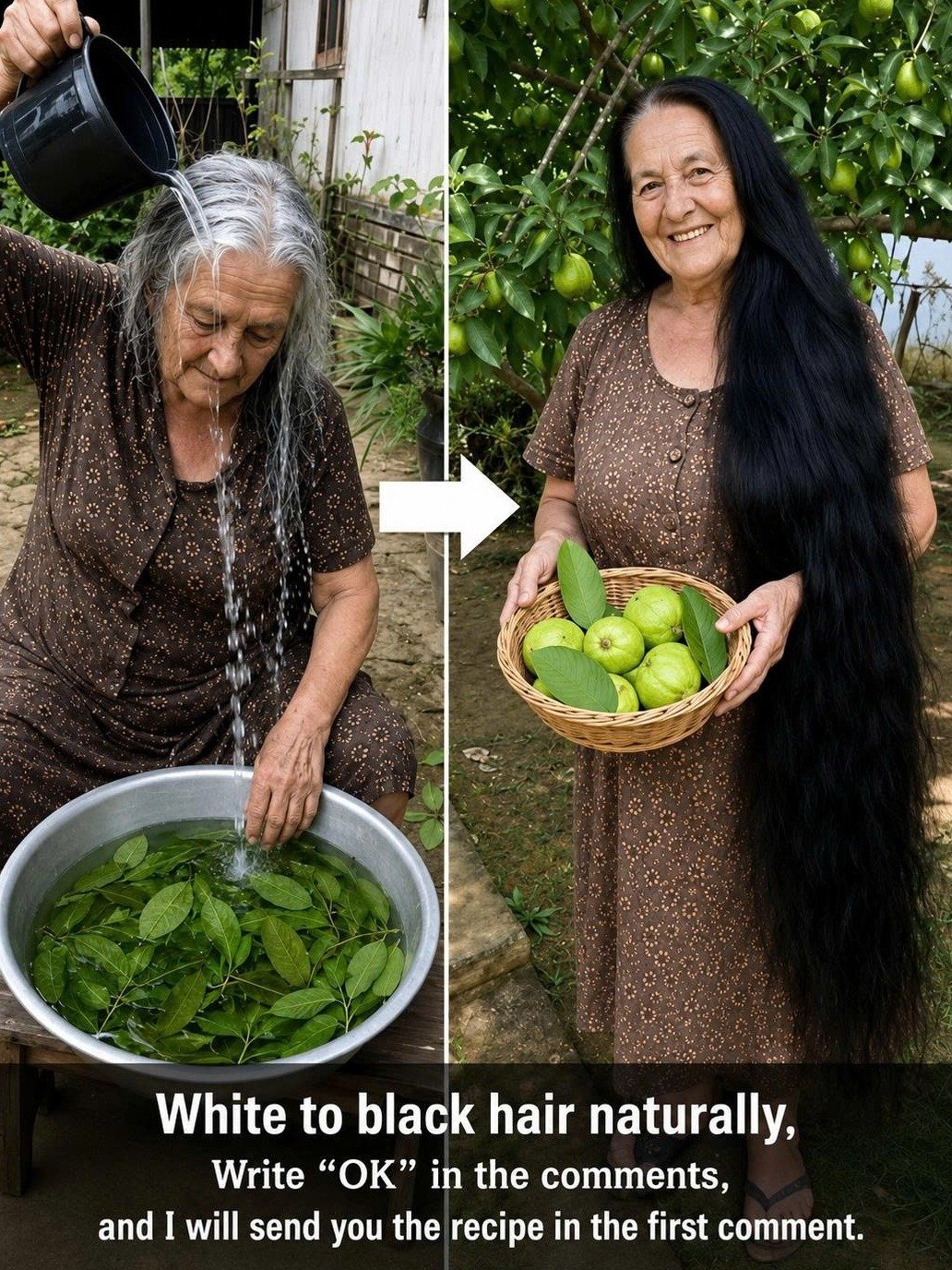
The Silent Culprit? How Stress Connects to Premature Graying
It’s no secret that stress is a pervasive force, impacting a multitude of health facets, and surprisingly, your hair is no exception.
Scientific investigations have indicated a compelling link between significant levels of stress and the onset of premature graying in certain individuals. In a few remarkable, documented instances, actively lowering stress levels has even coincided with a partial return of hair pigmentation. Yet, it’s vital to note that such occurrences are relatively rare and typically don’t apply to the vast majority of age-related gray hair.
Your Toolkit for Calm: Effective Stress Management Strategies
- Regular exercise
- Meditation
- Deep breathing
- Quality sleep
- Spending time outdoors
🧘 Beyond its potential impact on your hair, mastering stress management is a powerful investment that nurtures your entire well-being.
Ancient Wisdom, Modern Hair: Exploring Traditional Herbal Remedies
Across countless cultures and generations, the power of herbs has been revered and extensively utilized to foster and maintain exemplary hair health.
Among the most celebrated and widely adopted examples are:
Amla (Indian Gooseberry): The Ayurvedic Star
A cornerstone of traditional Ayurvedic hair care, celebrated for its nourishing properties.
Curry Leaves: Aromatic and Nurturing
Frequently blended into homemade hair oils, adding a touch of natural goodness.
Hibiscus: The Floral Hair Enhancer
A popular ingredient, often found enriching hair masks and invigorating herbal rinses.
Sage: A Natural Darkening Aid
For those seeking a temporary visual enhancement, some individuals turn to sage rinses, believed to subtly deepen the appearance of gray strands.
While these time-honored remedies can certainly contribute to improved hair texture and an enhanced overall appearance, it’s crucial to acknowledge that robust scientific evidence specifically supporting their role in repigmentation is still quite sparse.
Beyond Color: Foods That Actively Promote Robust Hair Growth
The undeniable truth is that truly strong, resilient, and healthy hair fundamentally depends on an adequate intake of protein.
Your Protein Powerhouses for Hair
- Eggs
- Fish
- Greek yogurt
- Beans
- Lentils
Remarkably, each individual hair strand is predominantly composed of keratin, a fibrous protein whose very formation and strength are directly tied to consuming enough dietary protein.
🐟 Think of protein as the fundamental architectural material, supplying the essential building blocks necessary for vigorous and healthy hair growth.
Small Changes, Big Impact: Lifestyle Habits That Safeguard Your Hair
Incorporating a few straightforward daily habits can make a significant difference in preserving and enhancing your hair’s overall quality.
Ditch the Damage: Why You Should Avoid Excessive Heat
Regularly exposing your hair to high heat from tools like:
- Hair dryers
- Flat irons
- Curling irons
can significantly contribute to weakening and damaging your hair strands over time.
Hydration is Key: Drink Up for Healthy Hair
Proper hydration isn’t just vital for your overall bodily health; it’s also absolutely crucial for optimal scalp function and hair vitality.
Beauty Sleep for Your Tresses: The Power of Rest
During those precious hours of sleep, your hair follicles are actively engaged in critical repair and rejuvenation processes.
Move Your Body, Boost Your Hair: The Benefits of Regular Exercise
Engaging in consistent physical activity not only energizes your body but also significantly enhances circulation and the efficient delivery of nutrients to every cell, including those in your scalp.
DIY Hair Transformation: Natural Masks for Unrivaled Shine and Strength
For those devoted to natural beauty, homemade hair masks continue to be an incredibly popular and cherished element of their routine.
The Soothing Duo: Coconut Oil and Aloe Vera Mask
Ingredients:
- 2 tablespoons coconut oil
- 2 tablespoons aloe vera gel
Gently apply this nourishing blend to your hair and scalp, allowing it to work its magic for a full 30 minutes before rinsing and washing as usual.
The Ultra-Moisturizer: Avocado Hair Mask
Ingredients:
- 1 ripe avocado
- 1 tablespoon olive oil
This rich, creamy combination is particularly effective at deeply moisturizing and revitalizing dry, thirsty hair.
✨ The undeniable truth is that hair that looks and feels healthy invariably radiates more vibrancy, irrespective of its inherent color.
Debunking the Rumors: Common Myths About Gray Hair Exposed
Myth 1: Plucking One Gray Hair Invites a Dozen More
Let’s put this old wives’ tale to rest: it’s simply not true.
The biological reality is that each individual hair follicle is designed to produce just one hair strand at any given moment.
Myth 2: Natural Remedies Can Magically Reverse Gray Hair Overnight
Despite what some sensational claims might suggest, there is absolutely no credible scientific evidence to support the idea of an instantaneous, overnight reversal of age-related gray hair.
Myth 3: Gray Hair is a Sign of Poor Health
In the vast majority of cases, the appearance of gray hair is a perfectly normal and expected facet of the aging process, largely dictated by your genetic predisposition.
⚠️ Exercise extreme caution when encountering products or treatments that make grandiose promises of dramatic results, especially if they lack solid scientific backing.
When to Call in the Experts: Seeking Medical Advice for Your Hair
It’s always wise to consult with a qualified healthcare professional if you notice any of the following concerning changes:
- Sudden widespread graying
- Hair loss
- Scalp irritation
- Unexplained changes in hair texture
These particular symptoms can sometimes be red flags, pointing towards underlying health conditions that warrant a thorough medical evaluation.
Your Journey to Healthier Hair: Final Thoughts
Embracing gray hair as a natural chapter of life doesn’t mean you have to settle for anything less than your best. While the quest for a natural ‘cure’ for age-related gray hair remains elusive in scientific terms, you possess powerful tools to cultivate truly healthy, vibrant-looking locks. Remember, a diet brimming with essential nutrients, meticulous scalp care, effective stress management techniques, and consistent healthy lifestyle choices are your allies, collectively contributing to hair that is stronger, shinier, and undeniably healthier.
🌱 Shift your focus from merely altering hair color to genuinely prioritizing the holistic health of your hair and scalp. This strategic approach is your secret weapon to maintaining truly beautiful hair, no matter what stage of life you’re in. Whether your strands are deep black, rich brown, shimmering silver, or pure white, hair that is healthy from root to tip will always radiate its absolute best. ✨