 By admin
 What if the most potent health benefits came in a package so small you could barely see it? While our plates are often filled with vibrant fruits and vegetables, a quiet revolution is happening in the world of nutrition, spotlighting tiny seeds that pack an astonishing punch. These miniature powerhouses are brimming with fiber, healthy fats, antioxidants, vitamins, and minerals, making them true nutritional marvels.
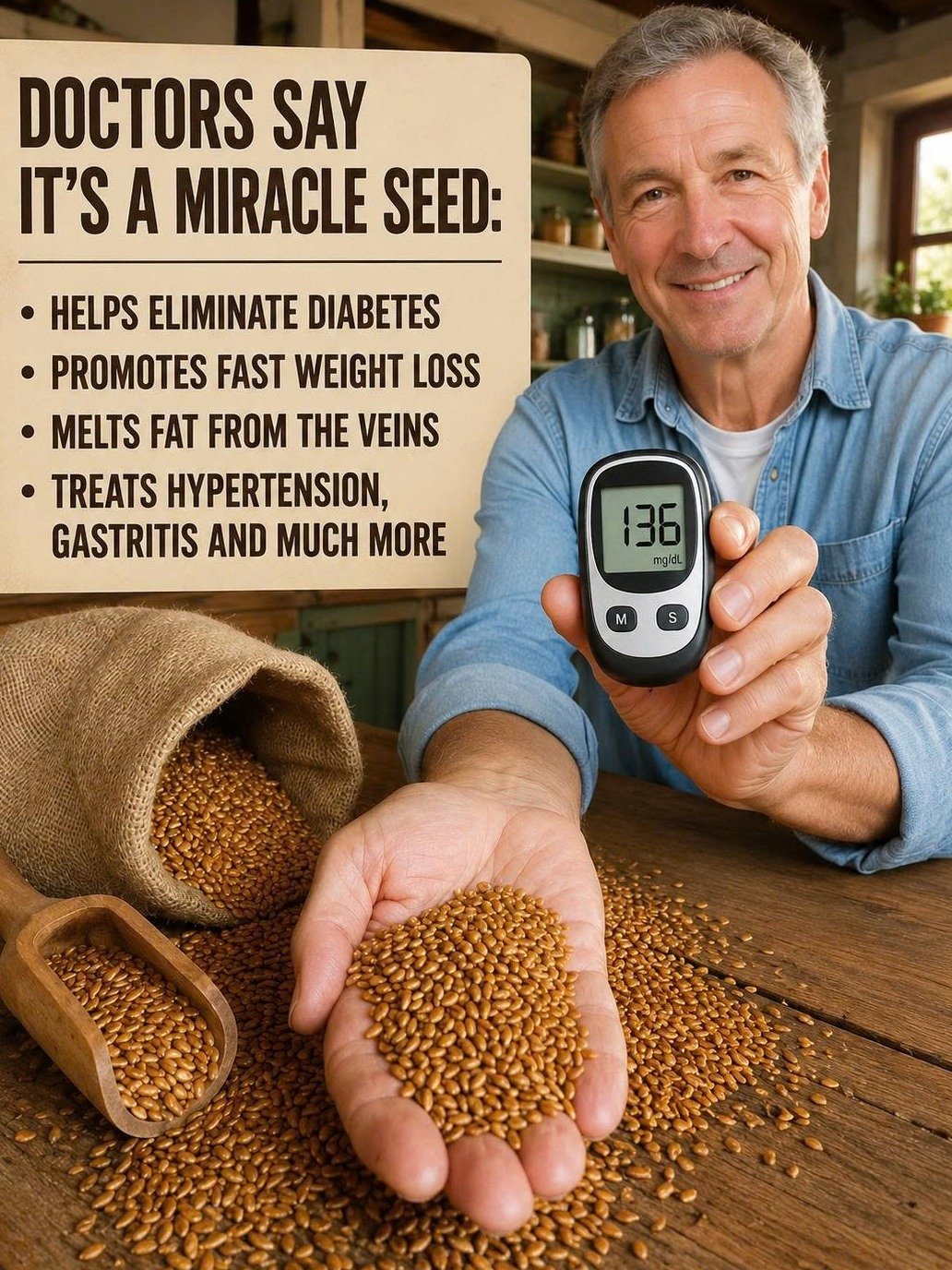
Leading health experts are increasingly advocating for the regular inclusion of these nutrient-dense seeds in our daily diets. Despite their diminutive stature, they deliver profound health advantages. Among this esteemed group, one particular seed has captured the widespread attention of nutritionists and wellness enthusiasts alike, lauded for its remarkable potential to bolster heart health, optimize digestion, stabilize blood sugar, and even contribute to graceful aging.
Affectionately dubbed a “super seed,” chia seeds have rapidly ascended to become one of the globe’s most sought-after functional foods. Their extraordinary nutritional composition has prompted countless health professionals to endorse their integration into a proactive, healthy lifestyle.
In the following sections, we will delve deep into the compelling reasons behind the immense buzz surrounding chia seeds, uncover the scientific evidence supporting their diverse health benefits, and reveal simple, practical strategies for seamlessly incorporating them into your everyday routine.
What Makes Chia Seeds So Special?
Originating from the Salvia hispanica plant, which is indigenous to Central America, chia seeds carry a rich history.
Despite their incredibly small size, chia seeds boast an impressive and diverse array of vital nutrients, including:
- Dietary fiber
- Omega-3 fatty acids
- Protein
- Calcium
- Magnesium
- Phosphorus
- Potassium
- Antioxidants
This unparalleled combination establishes chia seeds as one of the most nutrient-dense foods readily available. They deliver substantial nutritional value without requiring large portion sizes.
💧 One of the most fascinating features of chia seeds is their remarkable capacity to absorb liquid, swelling to form a distinctive gel-like consistency, which makes them incredibly versatile for countless healthy culinary applications.
Chia Seeds and Heart Health
With heart disease remaining a predominant global health concern, the integration of heart-supportive foods has become a crucial focal point in contemporary nutritional research.
Rich in Omega-3 Fatty Acids
Chia seeds stand out as one of nature’s premier plant-based sources of essential omega-3 fatty acids.
Omega-3s are widely recognized for their association with:
- Robust cardiovascular support
- Optimized healthy circulation
- Maintaining a healthy inflammatory balance
- Overall holistic wellness
These beneficial fats play an indispensable role in upholding cardiovascular health when incorporated into a well-rounded and balanced dietary regimen.
Supports Healthy Cholesterol Levels
Emerging research indicates that dietary patterns abundant in both fiber and healthy fats can significantly contribute to sustaining optimal cholesterol levels.
The synergistic blend of soluble fiber and omega-3 fatty acids inherent in chia seeds positions them as an invaluable addition to any heart-conscious eating strategy.
Supports Healthy Blood Pressure
The potassium and magnesium present in chia seeds are crucial for normal cardiovascular function and can assist in maintaining healthy blood pressure levels when consumed regularly as part of a nourishing diet.
❤️ Even seemingly minor adjustments to your diet can yield a significant and lasting positive impact on long-term heart health, especially when practiced consistently.
The Digestive Benefits of Chia Seeds
Among the most celebrated attributes of chia seeds is their remarkably high concentration of dietary fiber.
Fiber is an essential component for optimal digestive health, playing a crucial role in supporting:
- Regular bowel movements
- A thriving gut environment
- Efficient nutrient absorption
- Overall digestive comfort
Remarkably, just a modest serving of chia seeds can fulfill a substantial portion of your recommended daily fiber intake.
Supports Gut Microbiome Health
The fiber content acts as a vital prebiotic, nourishing the beneficial bacteria residing within your gut.
A flourishing gut microbiome is intricately linked to a myriad of wellness indicators, including robust digestion, a strong immune system, and balanced metabolic function.
Promotes Satiety
Due to their unique property of absorbing liquid and expanding significantly, chia seeds can effectively enhance feelings of fullness and satisfaction after consuming meals.
This characteristic makes them a favored ingredient among individuals dedicated to cultivating healthy eating habits and those actively managing their weight.
🌿 Incorporating fiber-rich foods not only champions digestive wellness but also encourages more balanced and mindful eating patterns.
Chia Seeds and Blood Sugar Balance
Maintaining consistently stable blood sugar levels is fundamental for sustaining long-term health, vitality, and steady energy throughout the day.
The soluble fiber abundantly present in chia seeds plays a key role in moderating digestion, which in turn can foster a more gradual and controlled release of glucose into the bloodstream.
For these compelling reasons, chia seeds are frequently integrated into nutritional strategies specifically designed to optimize blood sugar management and ensure sustained energy output.
It is always important to remember that the overarching pattern of one’s diet holds the most significant influence on metabolic health.
Powerful Antioxidant Protection
Oxidative stress is a natural biological process that occurs when harmful free radicals accumulate within the body, leading to cellular damage.
Common contributors to oxidative stress include:
- Environmental pollution
- Smoking
- UV radiation exposure
- Persistent chronic stress
- Unhealthy dietary choices
Chia seeds are naturally rich in potent antioxidants that actively help shield cells from the detrimental effects of free radical damage.
These vital antioxidants bolster the body’s intrinsic defense mechanisms and are believed to contribute significantly to the process of healthy aging.
✨ Consuming antioxidant-rich foods is often correlated with achieving long-term wellness and providing robust protection at a cellular level.
Chia Seeds and Healthy Aging
As the global fascination with longevity continues to grow, more and more individuals are actively seeking out foods that offer robust support for healthy aging processes.
Chia seeds proudly contain an impressive array of nutrients that are consistently linked with age-supportive nutrition, including:
- Omega-3 fatty acids
- Powerful antioxidants
- Essential protein
- Vital minerals
- Dietary fiber
These combined nutrients work synergistically to foster overall wellness while actively contributing to the body’s inherent maintenance and repair mechanisms.
While no single food can halt the natural aging process, incorporating nutrient-dense foods can profoundly support comprehensive healthy lifestyle objectives.
Bone Health Benefits
Many individuals are often surprised to discover that chia seeds are a valuable source of critical minerals directly associated with maintaining strong and healthy bones.
These essential minerals encompass:
- Calcium
- Magnesium
- Phosphorus
Working in concert, these nutrients are fundamental for preserving normal bone structure, density, and optimal function throughout all stages of life.
For those prioritizing plant-based dietary sources of these vital minerals, chia seeds represent an exceptionally valuable and convenient addition to their eating plan.
🦴 Building and maintaining strong bones requires consistent and dedicated nutritional support over a lifetime.
Chia Seeds as a Plant-Based Protein Source
Protein performs an indispensable role in countless bodily functions, including:
- Sustaining muscle maintenance
- Facilitating tissue repair
- Supporting hormone production
- Ensuring overall optimal body function
While chia seeds may not boast the same protein density as legumes or animal products, they nonetheless contribute a meaningful quantity of high-quality plant-based protein.
This makes them particularly attractive to a diverse group of individuals, including:
- Vegetarians
- Vegans
- Those embracing plant-focused diets
- Individuals who are generally health-conscious
Incorporating a broad spectrum of protein sources is key to supporting a truly balanced and comprehensive nutritional intake.
Easy Ways to Add Chia Seeds to Your Diet
One of the primary reasons behind the widespread popularity of chia seeds is their exceptional versatility in the kitchen.
Make Chia Pudding
Simply combine:
- 2 tablespoons of chia seeds
- 1 cup of your preferred milk or plant-based alternative
Allow this mixture to chill overnight for a wonderfully creamy and nutritious pudding.
Add to Smoothies
Effortlessly blend chia seeds into your favorite fruit smoothies to boost their fiber content and overall nutritional value.
Sprinkle on Yogurt
A single tablespoon of chia seeds can significantly elevate the nutritional profile and texture of yogurt, oatmeal, or any breakfast bowl.
Mix into Baked Goods
Chia seeds can be seamlessly incorporated into a variety of baked goods, such as:
- Muffins
- Bread loaves
- Pancakes
- Homemade energy bars
Create Chia Water
Many wellness enthusiasts delight in soaking chia seeds in water, often with a squeeze of lemon, to create a surprisingly refreshing and hydrating beverage.
🥤 Chia water has gained immense traction as a popular hydration drink, celebrated for its simplicity and inherent nutritional advantages.
Potential Precautions
While chia seeds are generally considered safe for consumption, there are a few important considerations to keep in mind.
Increase Intake Gradually
Given their exceptionally high fiber content, introducing large quantities of chia seeds too quickly into your diet may lead to temporary digestive discomfort.
Drink Adequate Water
Since chia seeds possess an impressive ability to absorb substantial amounts of liquid, maintaining proper hydration throughout the day is absolutely crucial.
Consult a Professional if Necessary
Individuals with pre-existing medical conditions or specific dietary concerns should always seek advice from qualified healthcare professionals for personalized nutritional guidance tailored to their unique needs.
Other Nutrient-Dense Seeds Worth Considering
While chia seeds undeniably stand out, it’s worth noting that they are just one of many incredibly beneficial seeds available to enrich your diet.
Other highly nutritious options that deserve a place in your pantry include:
- Flaxseeds
- Pumpkin seeds
- Sunflower seeds
- Hemp seeds
- Sesame seeds
Each of these offers its own unique profile of nutrients that can significantly contribute to a well-balanced and diverse diet.
Actively rotating different types of seeds is an excellent strategy to diversify your nutrient intake and reap a wider range of health benefits.
Lifestyle Habits That Maximize Nutritional Benefits
Even the most nutrient-rich foods perform optimally when integrated into a lifestyle that prioritizes healthy habits.
Stay Active
Engaging in regular physical activity is fundamental for supporting robust cardiovascular health, maintaining a healthy metabolism, and enhancing overall well-being.
Get Quality Sleep
Adequate and restorative sleep is absolutely essential for the body’s recovery processes and ensuring optimal physiological function.
Manage Stress
Unmanaged chronic stress can exert a profound and often negative influence on numerous aspects of both physical and mental health.
Eat a Balanced Diet
Strive to focus your diet on a diverse array of:
- Vibrant fruits
- Fresh vegetables
- Wholesome whole grains
- Lean protein sources
- Beneficial healthy fats
🧘 True long-term wellness is meticulously built through the consistent practice of healthy habits, rather than solely relying on the supposed magic of any single “superfood.”
Frequently Asked Questions
How much chia should I eat daily?
Many leading nutrition experts typically recommend consuming one to two tablespoons of chia seeds per day as part of a well-rounded and balanced diet.
Can chia seeds help with digestion?
Absolutely! Their exceptionally high fiber content can significantly support digestive regularity and promote a thriving, healthy gut environment.
Are chia seeds good for heart health?
Indeed. Their rich concentration of omega-3 fatty acids, dietary fiber, and powerful antioxidants collectively establish them as a highly valued food for supporting cardiovascular wellness.
Do chia seeds contain protein?
Yes, they certainly do! Chia seeds offer a valuable source of plant-based protein, alongside their abundant fiber and healthy fats.
Final Thoughts
Chia seeds, though incredibly tiny, deliver an astonishingly impressive nutritional punch. Packed with dietary fiber, vital omega-3 fatty acids, protective antioxidants, plant-based protein, and essential minerals, they have rightfully earned their esteemed reputation as one of nature’s most potent superfoods.
🌟 Whether you choose to blend them into smoothies, sprinkle them over yogurt, stir them into oatmeal, create a delicious chia pudding, or simply add them to refreshing beverages, these nutrient-dense seeds offer a remarkably simple yet effective way to bolster heart health, optimize digestion, support healthy aging, and enhance your overall wellness. When thoughtfully combined with a balanced diet and consistent healthy lifestyle habits, chia seeds can undoubtedly become an invaluable cornerstone of your daily nutritional regimen.