 By admin
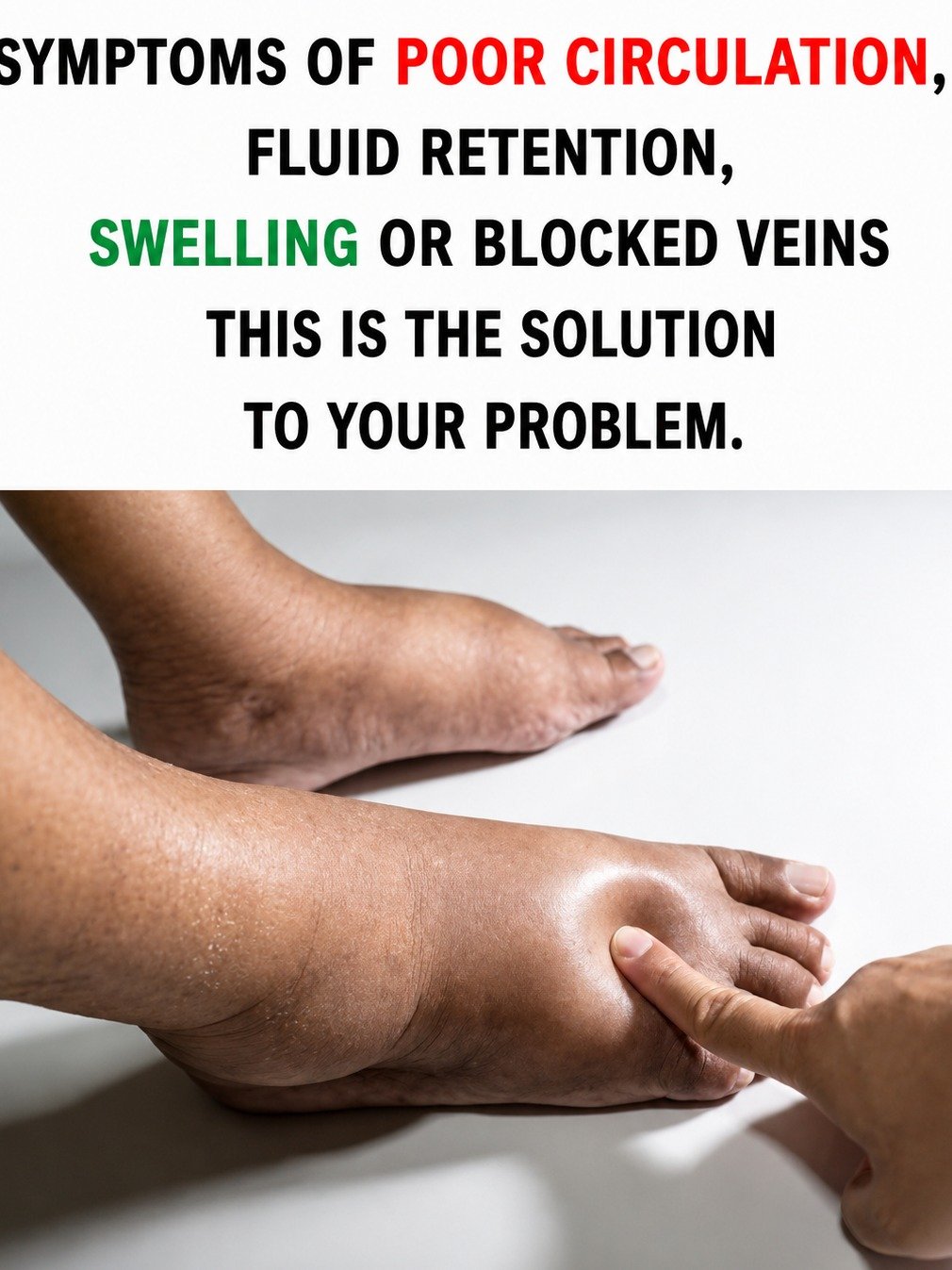
 Ever wake up feeling inexplicably puffy, like your body has decided to hold onto every drop of liquid it can find? This common and uncomfortable sensation, known as water retention or edema, occurs when excess fluid accumulates within your body’s tissues, leading to noticeable swelling in areas like your hands, feet, ankles, legs, and abdomen.
While experiencing occasional fluid retention is a normal occurrence, often influenced by dietary choices, hormonal shifts, or daily habits, persistent or severe swelling warrants a consultation with a healthcare professional. Fortunately, for those temporary bouts of bloating, a variety of natural practices can significantly support your body’s healthy fluid balance and help you feel lighter.
What Causes Water Retention?
Fluid retention can manifest for a multitude of reasons, ranging from simple lifestyle factors to more complex physiological processes:
- Consuming too much sodium
- Natural hormonal fluctuations
- Extended periods of sitting or standing still
- Insufficient physical activity
- Exposure to hot weather conditions
- Side effects from certain medications
- Pregnancy-related changes
- Underlying medical conditions that impact fluid balance
Identifying the root cause of your water retention is crucial, as the most effective treatment approach will often depend on what’s truly triggering the issue.
Signs of Water Retention
Recognizing the symptoms of fluid retention can help you address it promptly. Common indicators include:
- Visibly swollen ankles and feet
- A puffy appearance in the face
- Uncomfortable bloating in the abdominal area
- Clothing or shoes feeling unusually tight
- Experiencing temporary, unexplained weight gain
- Feeling stiffness in your joints
- Noticeable indentations left by socks or tight garments
If you experience sudden swelling, or if it’s accompanied by severe discomfort, chest pain, or shortness of breath, it’s imperative to seek immediate medical attention.
1. Reduce Excess Sodium Intake
One of the most impactful strategies for managing and preventing water retention involves significantly cutting down on your sodium consumption.
An overabundance of salt in your diet can prompt your body to cling to extra fluid. To effectively lower your sodium intake:
- Drastically reduce your reliance on processed foods
- Minimize the consumption of packaged snacks
- Prioritize fresh, whole ingredients in your meals
- Always scrutinize nutrition labels for sodium content
- Avoid the excessive addition of table salt to your food
By swapping out highly processed items for whole, natural foods, you can actively support a much healthier and more balanced fluid regulation within your body.
2. Increase Potassium-Rich Foods
Potassium plays a vital role in maintaining the body’s delicate fluid balance and can help mitigate some of the adverse effects of excessive sodium.
Incorporating these excellent potassium-rich foods into your diet can be highly beneficial:
- Bananas, a classic source
- Creamy avocados
- Nutrient-dense sweet potatoes
- Leafy green spinach
- Juicy tomatoes
- Various types of beans
- Hydrating coconut water
Consistently including these foods in your daily meals may significantly contribute to supporting normal fluid regulation and reducing puffiness.
3. Stay Properly Hydrated
While it might seem counterintuitive, ensuring you drink enough water is actually a key strategy to help alleviate temporary water retention.
When your body perceives a state of dehydration, it instinctively tries to conserve fluids, leading to bloating. Adequate hydration is essential for optimal kidney function and maintaining proper fluid balance. Therefore, staying well-hydrated signals to your body that it doesn’t need to hold onto extra water.
Make it a habit to sip water consistently throughout the day rather than trying to consume large quantities all at once for the best results.
4. Enjoy Natural Diuretic Foods
Certain foods have been historically recognized for their natural properties that encourage the body’s gentle elimination of excess fluids.
Consider adding these natural diuretics to your diet:
- Fresh parsley
- Crisp cucumber
- Crunchy celery
- Refreshing watermelon
- Tender asparagus
- Zesty lemon
These foods are not only naturally rich in water but also packed with essential nutrients that support overall hydration and well-being. Parsley, in particular, has a long-standing reputation in traditional remedies for its role in promoting fluid balance.
5. Move Your Body More
Engaging in regular physical activity is a powerful way to enhance circulation throughout your body, which in turn encourages the efficient movement and drainage of fluids.
Even simple, enjoyable activities can make a big difference:
- Brisk walking
- Cycling outdoors or indoors
- Refreshing swimming sessions
- Gentle stretching exercises
- Calming yoga practices
Even brief walks interspersed throughout your day can significantly help to reduce swelling, especially if you spend long periods sitting or standing.
6. Elevate Your Legs
If you frequently experience fluid accumulation in your feet or ankles, a simple yet effective technique is to elevate your legs above heart level for about 15–20 minutes.
This straightforward practice can significantly improve circulation and help to reduce temporary swelling. It’s particularly beneficial after prolonged periods of standing or sitting, offering a quick way to find relief.
7. Eat More Magnesium-Rich Foods
Magnesium is an incredibly important mineral that participates in a vast array of bodily functions, including the critical process of fluid regulation.
Boost your intake with these excellent sources of magnesium:
- Nutty pumpkin seeds
- Crunchy almonds
- Savory cashews
- Dark, leafy greens like spinach or kale
- Wholesome whole grains
- Hearty black beans
Maintaining a well-balanced diet that incorporates plenty of magnesium-rich foods can be a key factor in supporting healthy fluid balance and preventing uncomfortable puffiness.
8. Try Cucumber and Lemon Water
Cucumber and lemon water is not just a delightful and refreshing drink; it’s also a fantastic way to support hydration while delivering a beneficial dose of vitamins and antioxidants to your system.
Ingredients
- 1 liter of pure water
- ½ fresh cucumber, thinly sliced
- 1 ripe lemon, thinly sliced
Directions
Simply combine all ingredients in a pitcher and allow it to chill in the refrigerator for several hours before enjoying. This vibrant beverage serves as a wonderfully healthy and hydrating alternative to sugary drinks.
9. Maintain a Healthy Weight
Carrying excess body weight can place additional strain on your circulatory system, often contributing to increased swelling, particularly in the lower extremities.
Adopting healthy habits that support effective weight management can make a significant difference:
- Embrace balanced nutrition with whole foods
- Engage in regular physical exercise
- Ensure you get adequate, restorative sleep
- Practice effective stress management techniques
10. Prioritize Quality Sleep
The importance of quality sleep extends to nearly every aspect of your health, and poor sleep can specifically disrupt hormones involved in proper fluid regulation.
To enhance your sleep quality and support overall well-being:
- Establish and stick to a regular sleep schedule
- Limit your intake of caffeine, especially later in the day
- Reduce exposure to screens (phones, tablets, TV) before bedtime
- Cultivate a comfortable and dark sleep environment
Simple Homemade Parsley Tea
Parsley has long been revered in traditional medicine as a gentle, natural remedy for addressing temporary water retention.
Ingredients
- 2 tablespoons of fresh, chopped parsley
- 2 cups of clean water
Instructions
- Bring the water to a rolling boil in a small pot.
- Add the fresh parsley to the boiling water.
- Reduce heat and let it simmer gently for 5 minutes.
- Strain the tea to remove the parsley, and allow it to cool slightly before drinking.
- Enjoy this tea in moderation as a beneficial addition to your balanced diet.
Foods That May Worsen Water Retention
To help minimize bloating and fluid retention, it’s wise to consider limiting or avoiding certain foods that can exacerbate the problem:
- Highly processed meats
- Convenient but often high-sodium fast food
- Salty, packaged snacks
- Sugary beverages and sodas
- Excessive alcohol consumption
- Pre-made, highly processed meals
Reducing your intake of these items can often lead to a noticeable decrease in uncomfortable puffiness and fluid buildup for many individuals.
Frequently Asked Questions
How quickly can water retention improve?
Temporary water retention, especially when linked to dietary choices or lifestyle factors, can often show significant improvement within just a few days of implementing healthier changes.
Can drinking more water reduce bloating?
Absolutely, yes. Maintaining proper hydration is crucial, as it helps your body regulate its normal fluid balance and can effectively reduce temporary bloating and puffiness.
Is water retention always serious?
Not necessarily. While occasional fluid retention is common and often benign, persistent, severe, or sudden swelling should always be thoroughly evaluated by a healthcare professional to rule out any underlying medical conditions.
Which foods help reduce water retention naturally?
Foods frequently associated with promoting healthy fluid balance include hydrating options like cucumbers, watermelon, and celery, along with powerful natural diuretics such as parsley and asparagus, and potassium-rich fruits and vegetables.
Final Thoughts
Experiencing water retention can certainly be uncomfortable, but the good news is that incorporating simple, natural lifestyle adjustments can often significantly support your body’s healthy fluid balance. By consciously reducing your sodium intake, staying consistently hydrated, engaging in regular physical activity, prioritizing potassium-rich foods, and integrating water-rich fruits and vegetables into your daily diet, you can effectively work towards reducing temporary bloating and swelling.
However, if you find that fluid retention becomes a frequent, severe, or persistent issue, it is always best to consult with a healthcare professional. They can help determine the underlying cause and provide you with the most appropriate and personalized guidance for your situation.