 By admin
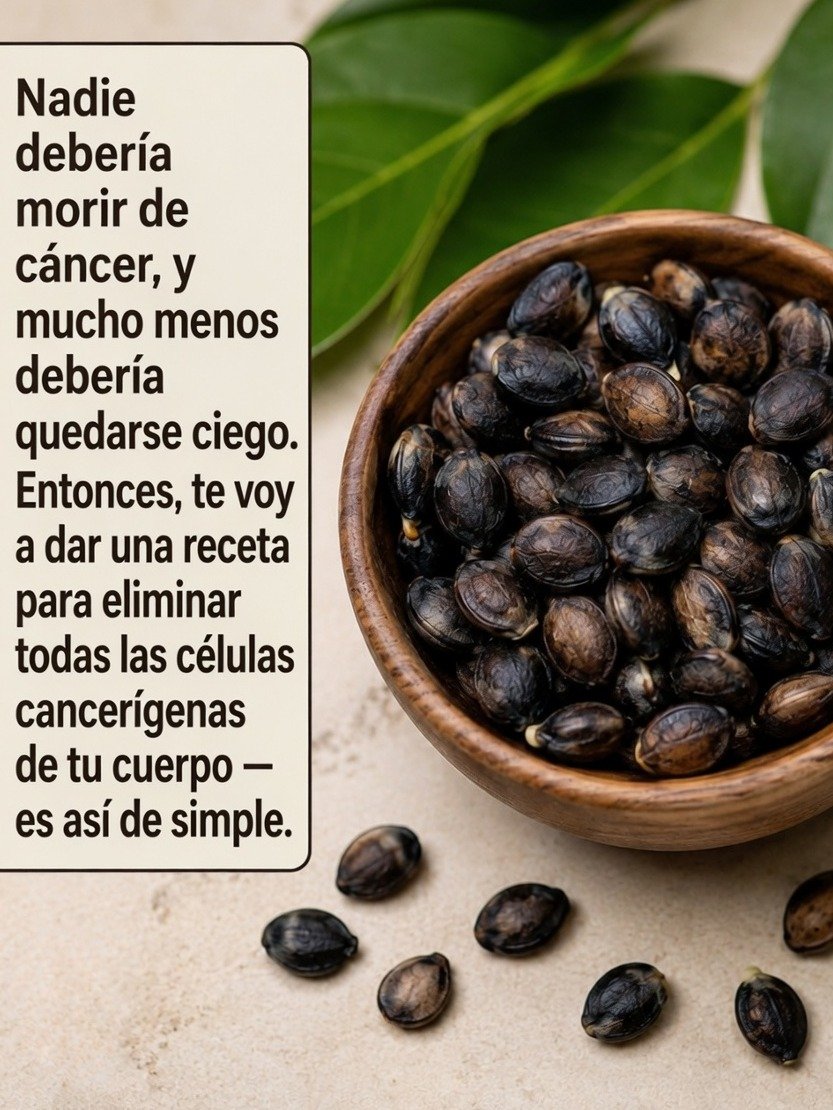
 Have you scrolled past a viral post claiming apple seeds are a secret weapon against cancer? The internet is buzzing with theories about a natural compound called amygdalin, suggesting it could be a miracle cure. But before you consider adding them to your diet, let’s cut through the noise and uncover what scientific research truly reveals.
In this in-depth article, we’ll explore everything known about apple seeds and their potential link to cancer, presenting the facts in a clear, balanced, and evidence-based manner, free from exaggeration.
What Exactly Is Amygdalin?
Amygdalin is a naturally occurring substance found in the seeds and pits of various fruits, including:
- Apples
- Apricots
- Peaches
- Cherries
- Plums
- Bitter almonds
When these seeds are chewed or crushed, amygdalin can be released and converted into hydrogen cyanide, a highly toxic compound in significant amounts.
Why Are Apple Seeds Linked to Cancer Claims?
The connection between apple seeds and cancer originated from historical assertions that amygdalin (also known as laetrile) could specifically target and destroy cancer cells. While some laboratory and cell-based studies have been conducted, human clinical trials have consistently failed to demonstrate any clear or safe benefits. To this day, leading health organizations unanimously agree that there is no solid scientific evidence to support the use of apple seeds or amygdalin for preventing or treating cancer.
Is “Vitamin B17” a Real Vitamin?
Despite its popular designation, “vitamin B17” is not recognized as a vitamin by mainstream medical and nutritional authorities. This term has primarily been used within the realm of alternative medicine, lacking scientific validation.
Are Apple Seeds Dangerous to Consume?
- Accidentally swallowing a few whole seeds is generally harmless. Their tough outer shell typically protects them, allowing them to pass through the digestive system without releasing significant cyanide.
- However, chewing them or consuming them in large quantities is strongly discouraged, as this significantly increases the release of hydrogen cyanide.
Symptoms of excessive ingestion can include headaches, dizziness, nausea, difficulty breathing, or weakness. In severe cases, consuming a large amount can pose serious health risks.
What Does Scientific Research Reveal?
Scientists have dedicated decades to studying amygdalin. While some laboratory experiments have shown certain effects on cancer cells in controlled environments, these promising initial results have not translated into safe and effective treatments for humans. Consequently, concentrated laetrile or amygdalin-based products are not approved as cancer treatments in most countries, primarily due to the lack of proven efficacy and the inherent risk of toxicity.
Social Media Claims and Misinformation
On platforms like TikTok, Instagram, and others, it’s common to encounter emotionally compelling personal stories about how apple seeds or apricot kernels supposedly “cured” cancer. It’s crucial to remember, however, that personal anecdotes and testimonials, no matter how heartfelt, do not replace rigorous scientific evidence. Experts universally advise extreme caution when considering unproven natural remedies, especially those that carry the potential risk of cyanide release.
Real and Healthy Ways to Protect Your Well-being
Instead of seeking out miraculous, unverified solutions, the most effective approach to safeguarding your health involves adopting habits that are firmly backed by scientific research:
- Consume an abundance of fresh fruits, vegetables, and greens.
- Engage in regular physical activity.
- Completely avoid tobacco products.
- Minimize your intake of ultra-processed foods.
- Schedule regular medical check-ups and preventive screenings.
- Always consult with your doctor for personalized health advice.
The apple itself remains an incredibly beneficial fruit: rich in fiber, packed with antioxidants, and exceptionally healthy when consumed normally (skin and all).
Conclusion
Apple seeds contain amygdalin, a compound that can release toxic hydrogen cyanide when crushed. While certain alternative sources promote them for anti-cancer benefits, current scientific evidence does not support these claims. Accidentally swallowing a few whole seeds is generally safe, but intentionally consuming them, especially in large quantities, poses a significant health risk. For cancer prevention and treatment, the most reliable path involves consistent medical guidance, adopting healthy lifestyle habits, and utilizing treatments grounded in robust scientific evidence.
Did you find this article helpful? Please share it with anyone who might benefit from this information. If you have any questions, feel free to leave them in the comments below. Stay well! 🍎
This informational article is based on scientific consensus and is not a substitute for professional medical advice.