 By admin
 What if your favorite ‘healthy’ spice is actually putting your health at risk? For centuries, ginger has been celebrated for its incredible benefits, from soothing digestion to fighting off colds, making it a staple in teas, meals, and smoothies worldwide. But here’s a surprising truth: while this powerful root is a wellness hero for most, it can become a silent enemy for others, potentially causing serious complications in specific health situations.
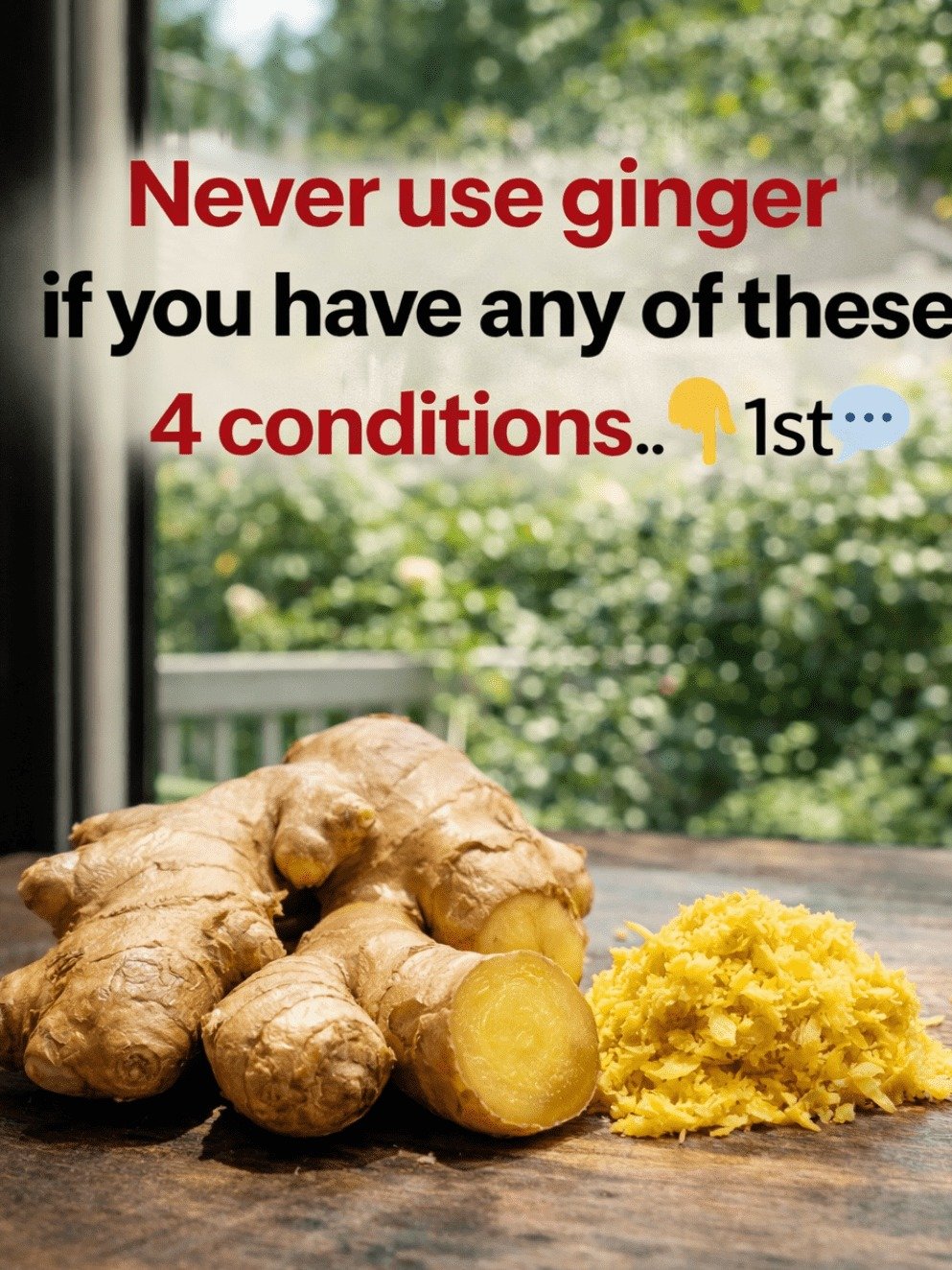
Imagine unknowingly turning a natural remedy into a health hazard. This guide isn’t about scaring you away from ginger, but empowering you with vital knowledge. We’ll reveal four crucial conditions where doctors say you absolutely must reconsider your ginger intake, ensuring you can navigate its use safely and wisely. Don’t miss the end for essential tips on how to enjoy ginger responsibly and avoid common pitfalls.
Why Ginger Is Loved (and Why Caution Matters)
Ginger, scientifically known as Zingiber officinale, boasts a rich history, revered across traditional medicine systems globally for millennia. Modern research increasingly validates its ancient reputation, highlighting its potential to aid digestion, alleviate occasional nausea, and deliver potent antioxidant benefits, largely attributed to active compounds like gingerol.
While most healthy adults can safely enjoy ginger in typical culinary amounts – think a comforting slice in tea or a zesty grating in stir-fries – it’s generally well-received. Studies confirm that adverse effects are uncommon at lower doses; however, consuming higher quantities, particularly exceeding 5 grams daily from concentrated supplements, can sometimes trigger unwelcome symptoms such as heartburn, stomach discomfort, or other digestive upsets.
The critical point to grasp is ginger’s profound physiological impact: it can directly affect blood clotting mechanisms, bile secretion, blood sugar regulation, and even blood pressure. These interactions are precisely why medical professionals strongly advise seeking expert consultation if you belong to certain vulnerable populations or are on specific medications.
4 Conditions Where You Might Want to Limit or Avoid Ginger
Now, let’s dive into the four critical scenarios where numerous health professionals emphatically recommend exercising extreme caution or even completely avoiding ginger. It’s crucial to understand these aren’t absolute prohibitions; rather, informed moderation and personalized medical guidance are absolutely paramount to your safety and well-being.
1. Bleeding Disorders or Taking Blood-Thinning Medications
Ginger possesses inherent characteristics that can naturally inhibit blood clotting, a property beneficial in certain situations. However, this very trait becomes a significant concern for individuals diagnosed with bleeding disorders, such as hemophilia, or those currently prescribed anticoagulant medications like warfarin, aspirin, or clopidogrel.
Extensive studies and expert medical reviews consistently highlight a heightened risk of excessive bruising or bleeding when ginger is consumed concurrently with these vital medications. Even seemingly innocuous food-based quantities could cumulatively pose a risk if you’re particularly sensitive or regularly consume concentrated ginger forms.
If any of these circumstances apply to you, it’s not just smart — it’s imperative — to have a detailed discussion about your ginger intake with your physician, who can provide crucial monitoring and adjust your regimen as necessary.
2. Gallstones or Gallbladder Issues
While ginger effectively stimulates bile production, a process that generally aids digestion for most, this effect can become problematic for those suffering from gallstones. For these individuals, an accelerated bile flow could potentially exacerbate existing symptoms or trigger significant discomfort.
Numerous reputable health resources and medical reviews underscore the importance of extreme caution for anyone with pre-existing gallbladder issues, as this natural stimulation might prove detrimental to an already vulnerable system.
While modest amounts of ginger used in cooking are typically well-tolerated, consuming concentrated supplements or high doses unequivocally necessitates a direct consultation with a healthcare professional.
3. Diabetes (Especially When on Blood Sugar Medications)
Intriguing research suggests that ginger may possess natural properties capable of lowering blood sugar levels. While this potential benefit sounds appealing, it presents a significant challenge if you are already managing diabetes with medications such as insulin or various oral hypoglycemics.
The combined effect of ginger and these prescription drugs could dangerously plummet your blood sugar, leading to a state of hypoglycemia characterized by alarming symptoms like dizziness, profound shakiness, or other serious complications. Consistent blood sugar monitoring becomes absolutely critical in such cases.
Therefore, while many experts endorse enjoying ginger in culinary applications, they strongly advise extreme caution and medical oversight when considering ginger supplements if you are actively managing diabetes.
4. Low Blood Pressure or on Blood Pressure Medications
For some individuals, ginger can exert a subtle yet noticeable blood-pressure-lowering influence. This effect can become particularly concerning for those who naturally experience low blood pressure (hypotension) or who are currently taking antihypertensive medications. In these instances, ginger could intensify the reduction in blood pressure, potentially inducing symptoms such as troublesome lightheadedness or debilitating fatigue.
Although this interaction isn’t universal, numerous reliable sources emphasize the inherent risk, particularly when ginger is consumed in larger quantities.
As with other conditions, ginger incorporated into food is generally less potent, but if blood pressure is a health concern for you, a thorough discussion with your doctor is indispensable. But wait, there’s even more vital information you need to consider to truly enjoy ginger safely and without worry!
Quick Comparison: Ginger in Food vs. Supplements
To provide a clearer perspective on these distinctions, let’s quickly compare ginger from food versus supplement forms:
- Food Sources (such as a soothing tea, fresh grated root in dishes, or blended into meals): Generally deliver a lower dose (typically less than 2-4 grams per day), are usually very well-tolerated by the majority, and present minimal risks of adverse interactions.
- Supplements (like capsules, concentrated extracts, or tinctures): These often contain significantly higher, more potent doses (ranging from 1-5 grams or even more), which dramatically increases the likelihood of experiencing side effects or critical interactions – making professional guidance absolutely essential for their use.
When introducing any new dietary element, especially ginger, always begin with the smallest possible amount to gauge your body’s reaction.
Actionable Tips: How to Enjoy Ginger Safely
Eager to continue enjoying ginger’s benefits without a shadow of doubt or worry? Here’s your straightforward, actionable guide to incorporating it safely into your daily life:
- Begin with modest food-based quantities — Embrace fresh ginger by grating 1-2 teaspoons into your tea, enriching soups, or blending it into smoothies. This ensures your intake remains comfortably moderate and gentle.
- Diligently monitor your body’s response — Pay close attention and meticulously record any shifts in your digestion, energy levels, or other physical symptoms after introducing ginger. Remember, each individual’s physiology reacts uniquely.
- Engage in a crucial dialogue with your healthcare provider — This is paramount, especially if you are managing any of the aforementioned health conditions, are currently on medications, or are pregnant/breastfeeding. Their personalized, expert advice is invaluable.
- Prioritize premium quality sources — Whenever feasible, select fresh, organic ginger root. This not only guarantees superior flavor but also minimizes exposure to unwanted additives.
- Strategically time your ginger consumption — If you’re utilizing ginger to combat occasional nausea, such as motion sickness, opt to gently sip ginger tea before the onset of symptoms, rather than consuming substantial daily doses.
Adhering to these practical steps will empower the vast majority of people to comfortably and confidently integrate ginger into their wellness routine.
Wrapping It Up: Ginger Can Be Great — With Awareness
Ultimately, ginger steadfastly holds its place as a beloved, aromatic, and flavorful staple in countless diets, providing a wealth of potential benefits for daily wellness when approached with mindfulness and intention. By arming yourself with knowledge about the four specific health scenarios demanding heightened caution – namely, bleeding predispositions, gallstone concerns, diabetes management, and low blood pressure – you are empowered to make intelligent, health-aligned decisions tailored precisely to your unique physiological landscape.
What’s the most crucial lesson? Always heed your body’s subtle signals, indulge in moderation, and, without hesitation, seek professional medical counsel whenever uncertainty arises. This diligent approach represents the most secure and rewarding pathway to truly harnessing the remarkable advantages offered by nature’s potent spices.
Frequently Asked Questions
Is ginger considered safe during pregnancy? Many reputable sources indicate that ginger, when consumed in moderate, food-based quantities, can indeed offer relief for occasional morning sickness. However, it’s critical to note that high doses or concentrated supplements, particularly closer to delivery, might pose risks due to ginger’s blood-thinning properties. It is absolutely essential to always consult your doctor before incorporating ginger during pregnancy.
Is it safe to drink ginger tea on a daily basis? For the vast majority of individuals, consuming 1-2 cups of mild ginger tea daily is generally well-tolerated and considered safe. Nevertheless, if you start experiencing symptoms like heartburn or any other form of discomfort, it’s advisable to either reduce your intake or take periodic breaks from consumption.
Does ginger interact with all types of medications? No, ginger does not interact with all medications. However, it is known to potentially interact with specific classes of drugs, including blood thinners, diabetes medications, and blood pressure-lowering drugs. To ensure your utmost safety and receive the most accurate guidance, always provide your healthcare provider with a complete and comprehensive list of all supplements and herbal remedies you are currently taking.
Important Disclaimer: Please understand that the information presented in this article is strictly for general informational purposes and should never be construed as medical advice. Ginger’s effects can vary significantly from person to person, meaning what proves beneficial for one individual may not be suitable for another. It is always imperative to consult a qualified healthcare professional before implementing any changes to your diet, health regimen, or supplement routine, especially if you have pre-existing health conditions or are taking any medications. Individual outcomes are diverse, and professional medical guidance is the cornerstone of ensuring your safety and well-being.