 By admin
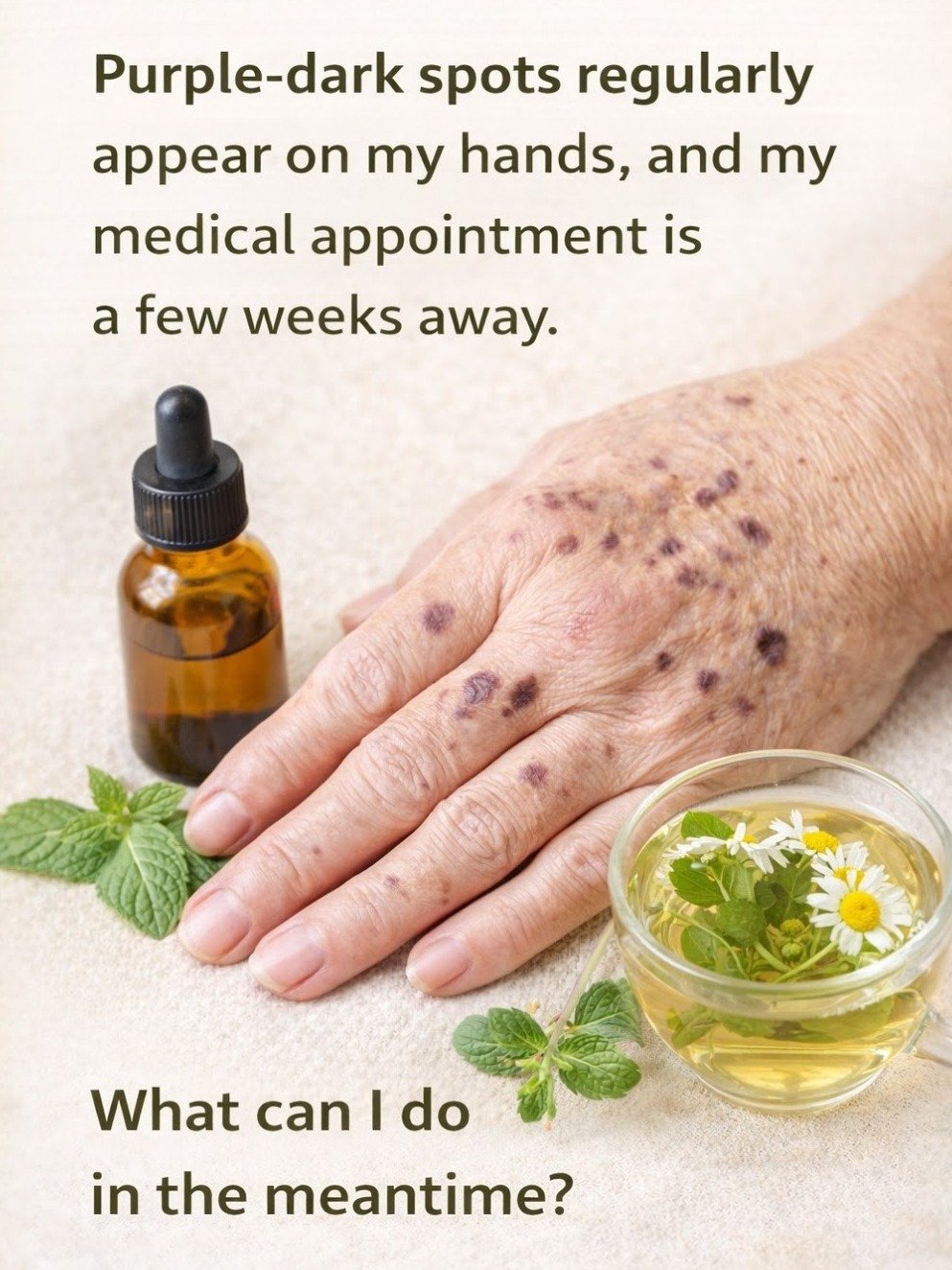
 Ever looked down at your hands and noticed a mysterious dark purple spot, seemingly appearing from nowhere? Perhaps a few days later, another one emerges, resembling a bruise, yet you have no memory of any bump or injury.
It’s completely natural to feel a surge of worry when these unexplained marks show up, especially if your doctor’s appointment is still distant. You’re left wondering: Is this a serious issue? Do I need to alter my daily habits? Could these spots be signaling a more significant underlying health concern?
The good news is that, in a majority of instances, these dark or purple spots on your hands stem from benign causes. You can often manage them with a calm approach, taking proactive, simple measures to safeguard your skin and bolster its overall health while you wait.
This comprehensive guide will illuminate the common reasons why these perplexing marks frequently surface, highlight critical signs that warrant immediate attention, and provide actionable advice on how to effectively care for your hands as you await consultation with your healthcare provider.
Why These Spots Get So Much Attention
Our hands, unlike many other body parts, possess naturally thinner skin. They are also constantly exposed to the elements: relentless sunlight, dramatic temperature shifts, harsh cleaning agents, and countless minor impacts throughout the day.
With the passage of time, our skin naturally grows more delicate, and the delicate network of tiny blood vessels nestled just beneath the surface becomes increasingly fragile. This heightened vulnerability means that even the most insignificant bumps—often so subtle you don’t even register them—can lead to blood escaping into the underlying tissue, resulting in those distinctive purple or dark marks.
While these spots can appear quite vivid and alarming, they are typically painless and, much like an ordinary bruise, will gradually diminish over time.
A Common Culprit: Actinic Purpura
For a significant number of individuals, particularly those with a history of extensive sun exposure over many years, these particular marks are frequently linked to a condition known as actinic purpura (sometimes referred to as senile purpura).
This condition predominantly manifests on body areas that have received considerable sun exposure throughout life, such as the backs of the hands and the forearms. Prolonged exposure to the sun plays a key role in the thinning of the skin and the weakening of its small blood vessels, rendering them far more susceptible to rupturing from even slight trauma.
Despite its potentially unsettling appearance, actinic purpura is generally a harmless, benign condition that typically doesn’t necessitate specific medical interventions. Nevertheless, a professional medical assessment remains crucial to accurately ascertain the cause and exclude any other potential underlying concerns.
When to Be More Vigilant
As you anticipate your scheduled appointment, it’s highly advisable to closely monitor the characteristics and evolution of these spots over time.
You should consider seeking medical attention more promptly if you observe any of the following:
-
The spots emerge with unusual rapidity or multiply significantly in quantity.
-
They develop pain, swelling, or become notably tender to the touch.
-
You simultaneously experience additional symptoms such as unexplained weakness, frequent or prolonged bleeding, or a general sense of feeling unwell.
-
The marks show no signs of fading whatsoever over an extended period, or they present a notably different appearance compared to typical bruises.
Any sudden or dramatic alteration in your skin’s condition warrants a more immediate professional medical assessment.
Strategies to Minimize the Appearance of New Spots
Our hands endure considerable stress in our daily routines: from carrying groceries to tackling household chores, gardening, shifting objects, or inadvertently knocking into furniture. Even if you remain unaware of them, these seemingly minor impacts can accumulate, particularly when your skin is already predisposed to fragility.
Adopting a few straightforward practices can offer significant assistance:
-
Always wear protective gloves when engaging in housework, gardening, or any activities that involve friction or applying pressure to your hands.
-
Cultivate a heightened awareness of your hand movements, especially when navigating around unforgiving hard surfaces and sharp corners.
-
Consciously strive to prevent any avoidable minor trauma to your hands whenever feasible.
These seemingly small adjustments can collectively yield a noticeable and positive impact on your skin’s resilience over time.
Fortifying Your Skin with a Daily Care Regimen
Maintaining optimal skin hydration stands as one of the most critical foundational steps. Consistently applying a rich, nourishing hand cream plays a vital role in preserving skin elasticity and reinforcing its natural protective barrier.
Consider these helpful suggestions:
-
Integrate moisturizing into your routine at least once or twice daily, making it a priority immediately after washing your hands.
-
Opt for mild, fragrance-free skincare products, particularly if you have sensitive or reactive skin.
-
Refrain from using abrasive scrubs or strong exfoliating treatments on your hands, as these can inadvertently compromise and further weaken already delicate skin.
Skin that is consistently well-nourished and cared for typically exhibits greater resilience against the rigors of daily stress and incidental minor injuries.
Never Skip Sunscreen for Your Hands!
While many diligently apply sunscreen to their faces, the hands are often overlooked—a significant oversight given that they are exposed to the sun almost every single day, even during routine urban activities like a leisurely walk or a drive.
Incorporating daily sunscreen application for your hands offers multiple benefits:
-
It actively helps to prevent the progressive thinning of the skin that results from cumulative sun damage.
-
It plays a crucial role in mitigating the exacerbation of skin fragility as time goes on.
-
It promotes a more uniform and visibly healthier skin complexion.
Remember to reapply your sunscreen after washing your hands or following any prolonged periods spent outdoors.
Simple Daily Tweaks That Make a Difference
There’s no need to undertake a drastic overhaul of your entire lifestyle. Often, just a handful of practical, minor adjustments can yield significant benefits. These include:
-
Opting to wear long sleeves or lightweight gloves when performing cleaning tasks or engaging in outdoor chores.
-
Exercising increased caution and awareness when moving around sharp furniture corners and other unyielding hard surfaces.
-
Utilizing appropriate protective gear for any activities that entail repetitive hand contact or sustained pressure.
Ultimately, the core objective is to minimize the ongoing, minor impacts on skin that is inherently more delicate and susceptible.
The Influence of Medications and Supplements
It’s important to recognize that certain medications or dietary supplements have the potential to increase the likelihood of bruising or the appearance of purple spots, either by impacting blood clotting mechanisms or by affecting skin fragility.
Crucially, without independently discontinuing any prescribed treatments, it is highly recommended that you:
-
Compile a comprehensive list of all substances you are currently consuming, encompassing prescription medications, over-the-counter drugs, vitamins, and any herbal supplements.
-
Ensure you bring this detailed list with you to your upcoming doctor’s appointment.
-
Clearly communicate when these spots first emerged and if there have been any recent alterations to your medication or supplement regimen, or indeed, any other aspect of your daily routine.
Providing this thorough information can prove invaluable to your healthcare professional in conducting a comprehensive and precise evaluation of your condition.
Soothing Discomfort and Cosmetic Solutions
Should the affected area feel somewhat sensitive or tender, applying a gentle cold compress can often offer a welcome measure of temporary relief and comfort.
If the visible presence of these spots causes you distress or self-consciousness, you might consider using a gentle, high-quality concealer specifically formulated for sensitive skin. This can significantly boost your confidence and provide emotional comfort, all without causing any harm to your skin—provided you ensure it’s removed with utmost gentleness and the underlying skin remains consistently moisturized.
Maximizing Your Doctor’s Appointment: Preparation Tips
To ensure your medical consultation is as efficient and informative as possible, it’s highly beneficial to maintain a straightforward, yet comprehensive, record of your observations:
-
Capture clear photographs each time a new spot emerges.
-
Document the duration for which each spot persists on your skin.
-
Diligently observe and record any alterations in their color, dimensions, or overall shape over time.
-
Jot down any accompanying symptoms you experience, no matter how insignificant they might initially appear.
These meticulous details will empower your healthcare professional to gain a much clearer understanding of your condition and guide them in determining the most appropriate course of action.
Maintain Calm, Remain Vigilant
During the interim period as you await your consultation, the paramount objective is to remain calmly observant, steering clear of undue anxiety. It’s reassuring to remember that, in a multitude of instances, the appearance of dark purple spots on the hands is attributable to inherently fragile skin and generally benign, minor underlying causes.
Continue to treat your hands with the utmost care; ensure they are consistently protected and thoroughly moisturized, incorporate daily sunscreen application, and conscientiously minimize any avoidable impacts. By combining gentle, unwavering self-care with precise medical guidance, you will be optimally equipped to comprehend and effectively manage the evolving condition of your skin.