 By admin
 What Is Amygdalin?
Let’s first unravel the mystery behind amygdalin, a naturally occurring chemical compound found within the hard seeds or pits of various common fruits, including:
- Apples
- Apricots
- Peaches
- Cherries
- Plums
- Bitter almonds
The crucial detail is that when these apple seeds are chewed thoroughly or otherwise crushed, the amygdalin they contain undergoes a chemical reaction, leading to the release of hydrogen cyanide – a substance known for its toxic properties.
Why Are Apple Seeds Linked to Cancer Discussions?
The connection between apple seeds and cancer discussions isn’t new; it stems from long-standing, historical assertions that amygdalin, or its synthetic derivative laetrile, possessed the unique ability to target and eliminate cancer cells. While some initial laboratory investigations involving isolated cells did explore potential anti-cancer properties, it’s vital to note that robust human clinical trials have consistently failed to demonstrate any dependable or significant benefits.
Across the board, leading health organizations and the vast majority of medical experts concur: there is currently no credible, scientifically proven evidence whatsoever that consuming apple seeds can either cure existing cancer or prevent its development.
Is “Vitamin B17” Really a Vitamin?
You might have encountered the term ‘vitamin B17,’ but here’s a crucial clarification: despite its catchy name, ‘vitamin B17’ is not acknowledged as a genuine vitamin by any recognized medical or nutritional authority worldwide. This designation was primarily a marketing strategy, widely adopted within alternative medicine circles to refer to amygdalin and laetrile.
Are Apple Seeds Dangerous?
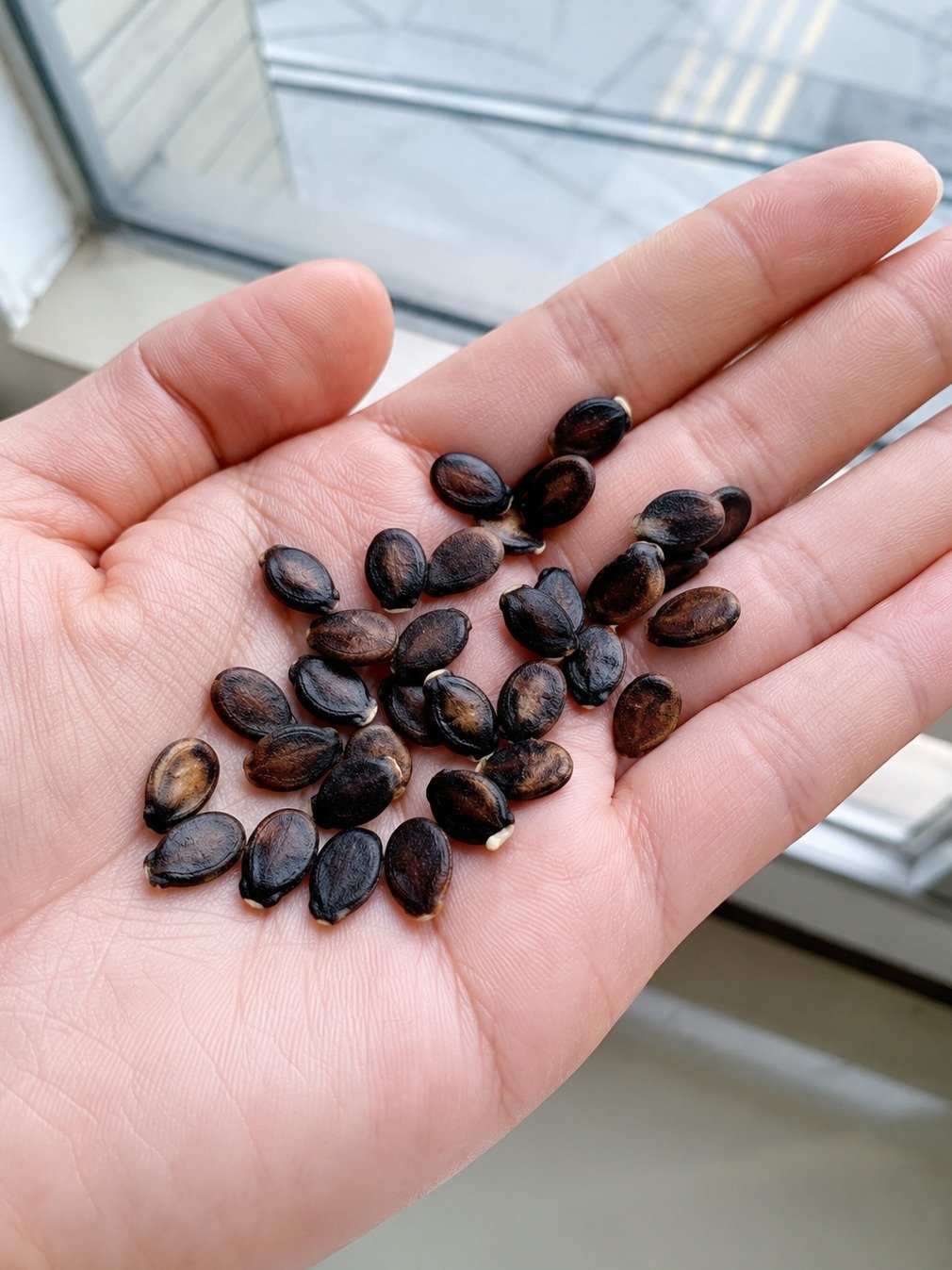
So, should you panic if you accidentally swallow a few whole apple seeds? Generally, no. The tough outer coating of the seed makes it challenging for your digestive system to break down, meaning the amygdalin is unlikely to be released. However, intentionally chewing or crushing a significant quantity of seeds dramatically increases your potential exposure to cyanide.
If significant cyanide exposure does occur, potential symptoms of poisoning can manifest as:
- Headache
- Dizziness
- Nausea
- Difficulty breathing
- Confusion
- Weakness
It’s a serious matter, as severe cyanide poisoning can rapidly escalate into a life-threatening medical emergency.
What Does Research Say?
The scientific community has dedicated decades to meticulously studying amygdalin. While it’s true that some initial test-tube experiments observed certain effects on isolated cancer cells, these preliminary findings have consistently failed to translate into any safe, reliable, or effective cancer treatments for human patients.
Authoritative medical sources firmly state that products containing laetrile or highly concentrated forms of amygdalin are not approved as legitimate cancer treatments within the United States. This stems directly from a critical lack of proven therapeutic benefit coupled with significant concerns regarding their inherent toxicity.
Online Claims and Misinformation
In today’s digital age, social media platforms and various online forums are rife with dramatic, often heart-wrenching, stories claiming that apple seeds or apricot kernels have miraculously ‘cured cancer.’ Discussions on sites like Reddit frequently highlight the deep division in public opinion, with users passionately debating both the potential risks and the supposed benefits. Yet, it’s crucial to understand that compelling as they may seem, individual personal anecdotes do not constitute reliable scientific evidence.
In light of this, health experts universally advise extreme caution when considering unverified ‘natural’ cancer remedies, particularly those that involve substances known to produce cyanide.
Healthy Ways to Support Overall Wellness
Instead of placing your trust in unproven, seed-based remedies that lack scientific backing, medical and wellness experts consistently advocate for adopting evidence-based lifestyle habits that are demonstrably effective in supporting your overall health and well-being:
- Eating fruits and vegetables regularly
- Staying physically active
- Avoiding smoking
- Limiting processed foods
- Getting regular medical screenings
- Following professional medical advice
It’s important to remember that apples themselves, when consumed in their normal, delicious form (without the seeds!), remain an incredibly nutritious fruit, bursting with beneficial fiber and potent antioxidants.
Final Thoughts
To reiterate, it’s undeniable that apple seeds contain amygdalin, a compound that, under specific conditions (like crushing and digestion), can release cyanide. While certain alternative health proponents continue to champion anti-cancer claims associated with amygdalin or the mislabeled ‘vitamin B17,’ the overwhelming body of current scientific evidence offers no support whatsoever for the use of apple seeds as a legitimate cancer treatment.
While inadvertently swallowing a small number of whole seeds is typically harmless, deliberately consuming large quantities is unequivocally not considered safe due to the risk of toxicity. When facing serious health concerns like cancer prevention or treatment, there is simply no substitute for professional medical guidance and care rooted in robust, evidence-based practices.