 By admin
 What if the secret to youthful, silky-smooth hands was hiding in your bathroom cabinet, right next to your toothbrush? A bizarre beauty hack involving toothpaste and hand cream has taken social media by storm, promising instant results that seem too good to be true. But before you jump on this viral trend, you absolutely NEED to know the hidden dangers that could be lurking beneath the surface.
Here, we’ll dive deep into what this popular DIY beauty trick actually entails, uncover the potential risks it poses, and even show you how to attempt it safely if your curiosity gets the better of you. Plus, we’ll reveal truly effective, long-term strategies for achieving beautifully youthful hands.
🔍 What the Viral Toothpaste + Cream Hack Claims to Do
Countless social media posts enthusiastically tout this hack, claiming that a simple blend of toothpaste and your everyday hand cream can magically transform your hands, making them:
-
Noticeably smoother to the touch
-
Visibly firmer or tighter in appearance
-
Possess a more matte finish, reducing the look of “aged” skin
The theory behind this widespread trend suggests that the invigorating, cooling sensation from toothpaste’s menthol, coupled with its purported astringent properties, when mixed with a luxurious moisturizing cream, results in an instant “wow” factor.
However, before you eagerly apply this concoction to your delicate skin, it’s absolutely crucial to grasp the true science and potential consequences unfolding beneath the surface.
⚠️ Why Toothpaste Isn’t Meant for Skin
Let’s be clear: toothpaste is meticulously formulated for oral hygiene – specifically to clean and protect your teeth – not to nourish or treat your skin. Its common ingredients, which often include menthol, potent detergents, abrasive particles, whitening agents, and strong artificial fragrances, are highly effective for removing plaque and polishing dental enamel. Yet, when these same components come into contact with your skin, particularly sensitive areas like your hands and arms, they can provoke a range of unexpected and undesirable reactions.
To illustrate, here’s a breakdown of the specific effects some typical toothpaste ingredients can have when they are applied directly to your skin:
-
Menthol & potent fragrances – often trigger an initial cooling sensation, but this is quickly followed by potential irritation, redness, or burning.
-
Abrasive particles and harsh detergents – aggressively strip away your skin’s vital natural oils, severely compromising its protective barrier.
-
Whitening agents or alcohol – are known culprits for causing excessive dryness, heightened sensitivity, and even chemical burns on delicate skin.
While these aggressive ingredients might temporarily create a superficial feeling of tightness or an illusion of smoothness, it’s crucial to understand that such sensations are often indicative of irritation, not genuine skin health or improvement.
🧴 Potential Risks to Your Skin
Consistently applying toothpaste to your skin, particularly if done frequently or in generous quantities, significantly increases your risk of experiencing several adverse reactions, including:
-
Significant irritation or noticeable redness
-
Excessive dryness and unsightly flakiness
-
A heightened sensitivity to other skincare products you use
-
A severely compromised and weakened natural skin barrier
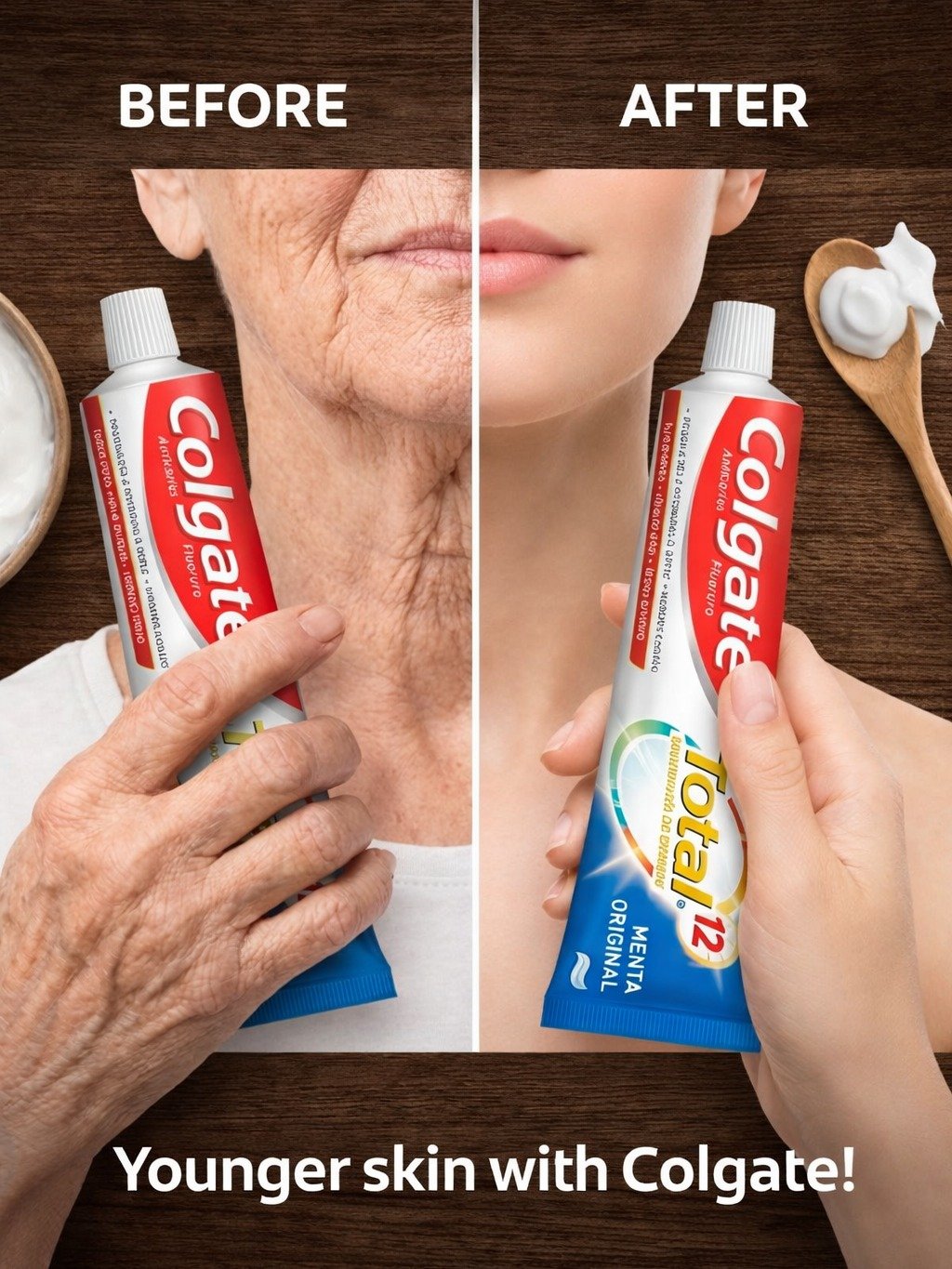
Furthermore, even if you initially experience a temporary sensation of smoother skin, the underlying inflammatory or severe drying reactions caused by toothpaste can actually leave your hands looking significantly worse in the long run, as your skin progressively loses essential moisture and its protective integrity.
✅ How to Try It More Safely (If You Really Want To)
For those who are genuinely curious and still determined to experiment with this viral trend, here’s a highly cautious and minimized-risk approach to trying the toothpaste and hand cream method:
-
Employ only a minuscule amount of toothpaste – literally just a tiny dab – thoroughly mixed into your hand cream.
-
Perform a patch test as your absolute first step. Apply a tiny quantity to an inconspicuous, small section of your arm and diligently wait 24 hours to carefully observe for any adverse reaction.
-
Strictly avoid using this mixture on your face, recently shaved skin, any irritated areas, or open wounds. The skin on your face is considerably thinner and far more delicate than the skin on your hands, making it highly susceptible to damage.
-
Severely limit the contact time. Allow the mixture to remain on your skin for no more than 30–60 seconds before thoroughly rinsing it off.
-
Immediately follow up with intense moisturization. Apply a generous amount of a gentle, nourishing, and fragrance-free hand cream to help repair and deeply hydrate your skin.
Should you experience any sensation of stinging, burning, developing a rash, or observing significant redness at any stage – immediately wash the mixture off your skin without hesitation. Your skin should never have to “tolerate” discomfort or a burning sensation to supposedly reap a benefit; these are clear signs of damage.
🌟 Better Long-Term Ways to Improve Hand Texture
Rather than depending on potentially risky, fleeting DIY hacks, the vast majority of dermatologists and seasoned skin experts strongly advocate for embracing these proven, sustainable habits for truly healthier and more beautiful hands:
💧 Moisturize Daily
Regularly apply high-quality hand creams enriched with skin-loving ingredients such as ceramides, urea, or glycerin. These powerful components work synergistically to fortify your skin’s natural barrier, ensuring your hands remain consistently soft, supple, and well-protected.
🌞 Wear Sunscreen
Your hands are frequently subjected to direct sun exposure, an undeniable factor that significantly accelerates visible signs of aging, including the formation of unsightly dark spots and premature wrinkling. Incorporating a daily broad-spectrum SPF into your routine is crucial; it will shield your hands from harmful UV rays and actively prevent future sun-induced damage.
🧤 Wear Gloves During Chores
Constant contact with water, harsh soaps, and aggressive cleaning detergents can severely strip away your skin’s essential natural oils, leading to dryness and irritation. Wearing protective gloves during tasks like washing dishes or general household cleaning acts as an effective barrier, safeguarding your hands from these damaging elements.
🧼 Choose Gentle Exfoliation
Incorporating occasional, gentle exfoliation into your hand care routine can be beneficial, as it helps to slough off accumulated dead skin cells and refine overall texture. However, it is paramount to avoid harsh or overly abrasive methods that could irritate or damage your skin.
While these recommended approaches may yield results more gradually, they are inherently sustainable and lead to genuinely healthier, more resilient, and smoother hands over time – a stark contrast to the fleeting and often detrimental effects of quick cosmetic shortcuts.
🧠 Final Thoughts
The alluring “immediate effects” promised by the viral toothpaste + hand cream hack might seem incredibly tempting, yet it’s absolutely critical to arm yourself with the following vital information before considering it:
-
Toothpaste is fundamentally NOT designed for skin application and carries a significant risk of causing irritation, dryness, or even chemical burns.
-
Any perceived tightening or smoothing effect is merely temporary and often a direct result of skin dehydration or an inflammatory response, not genuine improvement.
-
There exist numerous safer, scientifically proven, and far more effective methods to cultivate genuinely healthier, more beautiful hands that will last.
Ultimately, if your desire is to achieve truly glowing, youthful, and resilient hands, the undeniable truth is that consistent, diligent daily care – founded on proven dermatological principles – stands as the real, enduring key, far surpassing the fleeting allure of viral, often detrimental, shortcuts.