 By admin
For thousands of years, a humble, yet incredibly potent root vegetable has been a dietary staple across diverse cultures in Asia, Africa, the Caribbean, and the Pacific Islands. Now, this ancient powerhouse, known as taro root, is finally capturing global attention, earning its rightful place as a modern superfood due to its exceptional fiber content, complex carbohydrates, and a remarkable array of essential vitamins.
If you’ve been searching for a natural, effective way to revolutionize your digestion, experience sustained energy throughout your day, and bolster your overall well-being, then it’s time to seriously consider incorporating taro root into your daily meals.
What Is Taro Root?
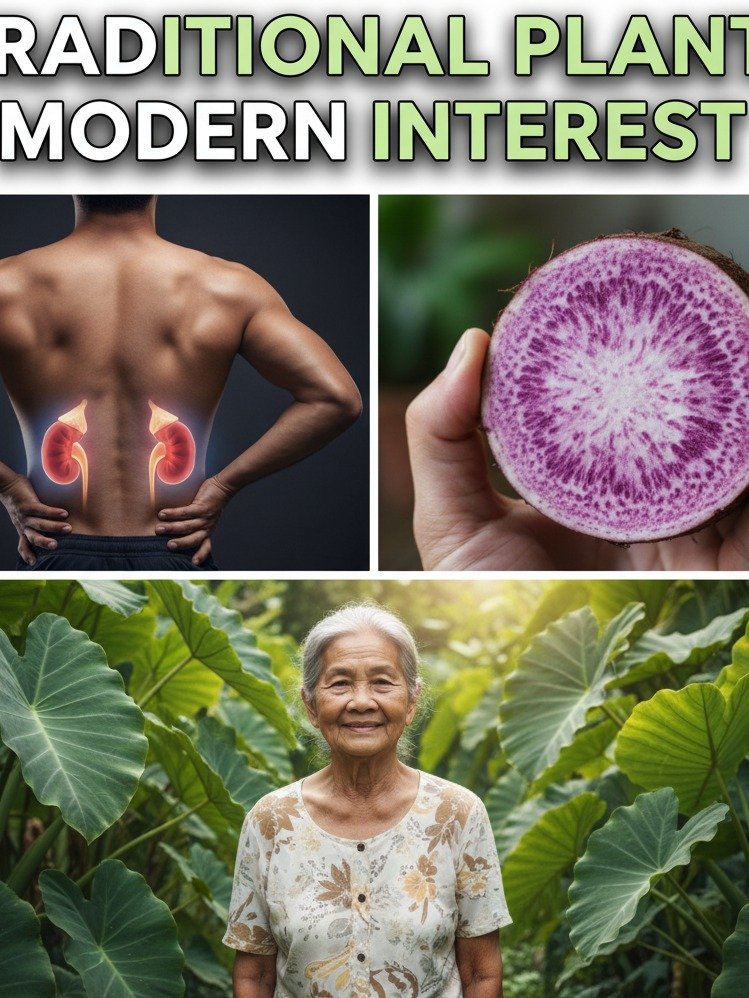
Scientifically known as Colocasia esculenta, taro is a fascinating starchy root vegetable easily identified by its rough brown exterior and distinctive flesh, which can range from creamy white to vibrant purple-speckled. Once properly cooked, its texture transforms into a wonderfully soft consistency, offering a subtly sweet and delightfully nutty taste profile.
What truly sets taro apart from common potatoes is its exceptional composition, featuring both resistant starch and a distinctive blend of fibers. These components work synergistically to provide remarkable support for your digestive system and help maintain stable, balanced blood sugar levels, making it a superior choice for health-conscious eaters.
1. Rich in Dietary Fiber for Better Digestion
Taro root stands out as an outstanding source of dietary fiber, a crucial nutrient that plays a pivotal role in numerous bodily functions, including:
-
Promotes regular bowel movements
-
Supports healthy gut bacteria
-
Reduces bloating
-
Improves nutrient absorption
Beyond its digestive benefits, the robust fiber content in taro naturally promotes a feeling of fullness, which can be incredibly helpful in managing your appetite and supporting healthy weight goals.
2. Provides Long-Lasting Energy
Packed with complex carbohydrates, taro offers a sustained energy release. Unlike simple, refined carbohydrates that lead to quick highs and inevitable crashes, taro’s slow-digesting nature ensures a steady, consistent fuel supply for your body and mind throughout the day.
This makes it an ideal food source for a wide range of individuals, including:
-
Athletes
-
Busy professionals
-
Students
-
Anyone needing sustained daily energy
3. Supports Heart Health
Taro is a fantastic source of potassium, a vital mineral indispensable for cardiovascular well-being. Potassium works diligently to regulate blood pressure by effectively counteracting the effects of sodium, and sufficient intake actively contributes to:
-
Healthy blood circulation
-
Reduced strain on the cardiovascular system
-
Overall heart function
Furthermore, the dietary fiber found abundantly in taro can play a significant role in helping to maintain healthy cholesterol levels, adding another layer of protection for your heart.
4. Helps Regulate Blood Sugar
One of taro’s most impressive attributes comes from its unique combination of fiber and resistant starch, which collectively work to gently slow down the absorption of glucose into your bloodstream. This beneficial action helps to:
-
Stabilize blood sugar levels
-
Improve insulin sensitivity
-
Reduce cravings
Incorporating taro into your balanced meal plans, particularly when consumed in sensible portions, can be a smart strategy for anyone looking to manage their blood sugar more effectively.
5. Packed with Antioxidants
For those who choose the visually striking purple varieties of taro, an additional benefit awaits: a rich concentration of anthocyanins. These potent antioxidants are renowned for their ability to actively neutralize harmful free radicals, thereby combating oxidative stress throughout the body.
The presence of these powerful antioxidants has been strongly associated with a multitude of health advantages, including:
-
Cellular protection
-
Reduced inflammation
-
Long-term health support
6. Naturally Gluten-Free
For anyone navigating gluten sensitivities or living with celiac disease, taro root offers a perfect solution as a naturally gluten-free carbohydrate source. It’s a delicious and safe alternative that doesn’t compromise on nutrition.
Its versatility means it can be seamlessly integrated into various culinary applications, such as:
-
Gluten-free baking
-
Smoothies
-
Soups
-
Stews
-
Flour alternatives
7. Supports Weight Management
The winning combination of taro’s high fiber content and its slow-digesting complex carbohydrates creates a powerful formula for enhanced satiety.
By helping you feel satisfied and full for extended periods, taro can significantly curb the urge to overeat and minimize those tempting, unnecessary snacks between meals, making it a valuable ally in your weight management journey.
Nutritional Value of Taro Root
When you enjoy a standard serving of cooked taro, you’re not just getting a delicious meal; you’re also providing your body with a rich profile of essential nutrients, typically including:
-
Complex carbohydrates
-
Dietary fiber
-
Vitamin C
-
Vitamin E
-
Potassium
-
Magnesium
-
Manganese
Furthermore, taro proudly boasts a low-fat composition and is completely free of cholesterol, making it an even healthier addition to your diet.
How to Prepare Taro Root Safely
Crucial Safety Note: It is absolutely imperative that taro is always thoroughly cooked before it is consumed. Raw taro contains naturally occurring calcium oxalate crystals, which, if ingested uncooked, can cause significant irritation to your throat and digestive system.
Preparation tips:
-
Peel the skin carefully.
-
Boil, steam, or bake until fully tender.
-
Use in soups, curries, mashed dishes, or desserts.
Fortunately, the cooking process effectively neutralizes these natural compounds, making taro perfectly safe and delicious to eat once prepared correctly.
Easy Ways to Add Taro to Your Diet
-
Mash it like potatoes
-
Add cubes to vegetable soups
-
Blend into smoothies (cooked only)
-
Use taro flour in gluten-free baking
-
Roast slices as healthy chips
Who Should Be Cautious?
While taro is undeniably a nutritious food, individuals who have a history or predisposition to kidney stones should exercise caution and consume taro in moderation due to its natural oxalate content. It’s worth noting that proper and thorough cooking dramatically reduces these potential risks.
Additionally, just like with any other starchy vegetable, mindful portion control is a key consideration, especially for those who are actively monitoring their carbohydrate intake as part of a specific dietary plan.
Final Thoughts
In conclusion, taro root stands as a remarkable testament to an ancient superfood, perfectly bridging the wisdom of traditional diets with the insights of modern nutritional science. Its abundance of fiber, powerful antioxidants, and vital minerals collectively empower it to profoundly support healthy digestion, bolster heart function, provide consistent energy, and contribute significantly to your overall well-being.
Therefore, if your goal is to enrich and diversify your diet with a truly nutrient-dense, naturally gluten-free carbohydrate that offers both incredible flavor and extensive health benefits, then taro root is an exceptionally powerful and versatile option that you absolutely must try.