 By admin
 What if your body was silently screaming for help, and you had no idea? Most of us know water is vital, but few truly grasp the subtle, yet powerful, signals our bodies send when we’re not getting enough. From boosting your digestion to keeping your skin radiant, optimal hydration is the unsung hero of your well-being. Yet, countless individuals walk around daily, unknowingly battling dehydration until its effects become undeniable. Discovering these critical indicators of insufficient water intake isn’t just about feeling better in the moment; it’s about unlocking sustained health, boundless energy, and safeguarding against a cascade of potential long-term issues.
Why Hydration Matters More Than You Think
Imagine a machine running without its essential fuel – that’s your body without enough water. Comprising roughly 60% water, every single organ and system within you relies on this life-giving fluid to perform optimally. Water isn’t just for quenching thirst; it’s instrumental in maintaining stable body temperature, efficiently delivering vital nutrients, ensuring your joints move smoothly, and flushing out harmful toxins. Astoundingly, even a slight dip in your hydration levels can dramatically impact your mood, sharpen your focus, and enhance your overall physical capabilities.
1. Your Mouth Feels Like a Desert
Ever wake up with a mouth that feels like sandpaper, or find yourself constantly reaching for a drink? A persistent dry or sticky sensation in your mouth is often one of the earliest and most noticeable indicators that your body is running low on fluids. When hydration levels drop, your body naturally reduces saliva production. This isn’t just uncomfortable; it creates a breeding ground for bacteria, potentially leading to persistent bad breath.
Pro Tip:
Don’t wait for thirst to strike! Make it a habit to carry a personal reusable water bottle and take small, consistent sips throughout your day. Proactive hydration is key.
2. Nagging Headaches or Migraines
Are you prone to headaches that seem to come out of nowhere? Insufficient water intake is a notorious culprit behind the onset of headaches and even debilitating migraines. When your body is deprived of fluids, your brain tissue can actually contract or temporarily shrink, leading to uncomfortable pain and a sensation of pressure within your skull.
Watch out for these accompanying symptoms:
- A persistent, throbbing ache
- Episodes of lightheadedness or dizziness
- Trouble focusing or a foggy mind
Often, simply reaching for a glass of water can provide surprisingly rapid relief from these hydration-induced headaches.
3. Your Skin Feels Like the Sahara & Lips Are Cracked
A healthy, radiant complexion and supple skin are hallmarks of good hydration. If you’re noticing your skin is unusually dry, flaky, itchy, or just generally irritated, it’s a strong indicator that your body is parched from within. Persistently chapped, cracked lips are another tell-tale sign that you desperately need to up your water intake.
Try this simple hydration check:
Carefully pinch a small fold of skin on the back of your hand. If it takes more than a couple of seconds to smooth back into place, rather than snapping back immediately, you are likely experiencing some level of dehydration.
4. Your Urine is Darker Than Usual
Perhaps the most straightforward and reliable method to gauge your hydration status is by observing the color of your urine. If your urine is a pale, straw-like yellow, congratulations – you’re likely well-hydrated. However, if you notice it’s a darker yellow, approaching an amber or even brownish hue, consider it a clear warning sign that your body needs significantly more water.
Your personal hydration traffic light:
- A light, clear yellow indicates optimal hydration.
- A dark yellow or amber shade means it’s time to drink up!
5. Constant Fatigue and Drained Energy
If you’re constantly battling a persistent feeling of exhaustion, despite getting enough sleep, dehydration might be the surprising culprit. When your body isn’t adequately hydrated, it has to expend significantly more energy to carry out its fundamental physiological processes, resulting in a pervasive sense of tiredness, sluggishness, and overall low vitality.
Keep an eye out for these subtle shifts:
- A noticeable dip in your motivation levels
- Feeling sleepy or drowsy throughout the day
- A decline in your physical capabilities and endurance
6. Unexpected Muscle Cramps and Stiff Joints
Water plays a crucial role as a natural lubricant for both your muscles and the intricate mechanics of your joints. When your body is deprived of sufficient fluids, you might find yourself plagued by uncomfortable muscle cramps, an unwelcome stiffness, or generalized soreness, particularly exacerbated during physical activity or in warmer environments.
It’s especially vital for athletes and anyone leading an active lifestyle to prioritize increased hydration, as they lose significant amounts of fluid through perspiration.
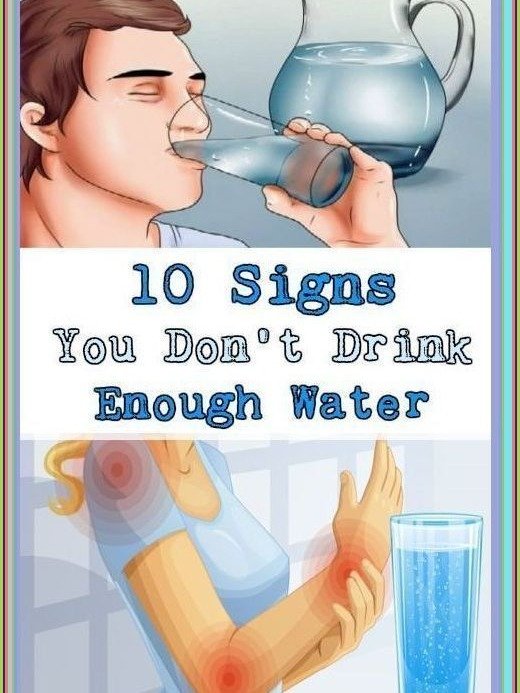
7. You’re Constantly Craving Food (Even After Eating)
Here’s a common trick your body plays: the sensation of thirst can often be misinterpreted as hunger. If you’re finding yourself reaching for snacks continually, even shortly after consuming a meal, there’s a good chance your body isn’t actually craving food – it’s desperately signaling for water.
Try this game-changing tip:
Make it a habit to drink a full glass of water about 30 minutes before each meal. This simple act can significantly help in managing your appetite and simultaneously aid your digestive processes.
8. Sudden Dizziness or Lightheaded Spells
Experiencing moments of unexpected dizziness, lightheadedness, or even feeling close to fainting can be a alarming symptom of dehydration. Insufficient fluid intake directly impacts your blood volume, which can lead to a drop in blood pressure and reduced oxygen delivery to your brain.
These sensations are particularly prevalent in situations like:
- When you quickly transition from sitting or lying to standing
- During periods of extreme heat or humidity
- Following strenuous physical activity or intense workouts
9. Stubborn Constipation and Digestive Woes
For a smoothly functioning digestive system, water is absolutely indispensable. A lack of adequate fluids means your body struggles to properly process waste, leading to stools that are hard, dry, and incredibly challenging to pass, often resulting in uncomfortable constipation.
Increasing your daily water intake can offer significant relief and benefits, such as:
- Promoting more regular and easier bowel movements
- Alleviating feelings of uncomfortable bloating
- Fostering a healthier and more balanced gut environment
10. Worsening Joint or Generalized Body Pain
The intricate network of cartilage and surrounding tissues in your joints relies heavily on proper hydration to maintain its cushioning and flexibility. When you’re dehydrated, these vital components can suffer, potentially leading to increased inflammation and a heightened sense of discomfort or pain across your entire body.
Individuals already managing conditions like arthritis or other forms of chronic pain frequently report a significant intensification of their symptoms when their hydration levels are insufficient.
So, How Much Water Do You REALLY Need Each Day?
While there isn’t a strict “one-size-fits-all” answer when it comes to daily water intake, a general guideline often suggested by health professionals is:
- Approximately 2.7 liters (around 91 ounces) for adult women
- Roughly 3.7 liters (about 125 ounces) for adult men
It’s crucial to remember that your personal hydration requirements can significantly increase under certain circumstances, such as if you:
- Engage in regular, strenuous exercise
- Reside in a particularly warm or humid environment
- Regularly consume dehydrating beverages like caffeine or alcohol
- Are expecting a baby or currently breastfeeding
Simple, Effective Ways to Master Your Hydration
Incorporating more water into your daily routine doesn’t have to be a chore. Here are some actionable and easy-to-adopt habits to ensure you stay optimally hydrated:
- Kickstart your day by immediately drinking a large glass of water upon waking.
- Boost your intake by munching on hydrating foods such as juicy watermelon, crisp cucumber, and zesty oranges.
- Keep a reusable water bottle constantly by your side, whether at work, home, or on the go.
- Utilize technology by setting regular reminders on your phone or smartwatch to prompt you to drink.
- Consciously increase your fluid consumption before, during, and after any physical activity.
Your Health, One Sip at a Time
It’s incredibly easy to dismiss or overlook the subtle yet persistent signals your body sends when it’s crying out for more water. However, these seemingly minor indicators can have a profound and detrimental impact on your overall health, energy, and cognitive function. That persistent dry skin, nagging headaches, inexplicable fatigue, unusually dark urine, or even those sudden muscle cramps could all be your body’s urgent plea for increased hydration.
Elevating water to a top daily priority isn’t just about avoiding discomfort; it’s a transformative step towards enhancing your mood, optimizing your digestion, revitalizing your skin, and boosting your comprehensive well-being. Often, the most powerful and accessible solution to a myriad of health challenges is simply found in the next refreshing glass of water.