 By admin
 Did you know that every minute counts when your brain is under attack? A stroke, often termed a ‘brain attack’ or cerebrovascular accident, strikes when the vital blood flow to a specific section of your brain is suddenly cut off. Without that crucial oxygen supply, brain cells begin to perish at an alarming rate within mere minutes, making early recognition of stroke symptoms and a clear understanding of its major risk factors not just important, but absolutely life-saving. Global health organizations consistently highlight stroke as one of the top causes of death and long-term disability worldwide.
What Is a Stroke?
A stroke fundamentally occurs when your brain doesn’t receive the adequate blood supply it needs to function. There are two primary categories of strokes:
- Ischemic stroke: This type happens when a blood clot obstructs an artery that supplies blood to the brain, cutting off vital flow.
- Hemorrhagic stroke: This occurs when a blood vessel ruptures, causing bleeding directly into or around the brain tissue.
Beyond these, there’s also a temporary episode known as a Transient Ischemic Attack (TIA), often referred to as a “mini-stroke.” While its symptoms might vanish quickly, a TIA is a critical red flag, strongly indicating a heightened risk of a full-blown stroke in the future.
Common Stroke Symptoms: The Alarms You Can’t Miss
Stroke symptoms typically manifest without warning, striking suddenly and often severely. Seeking rapid medical attention is absolutely vital, as prompt treatment can dramatically enhance the chances of a good recovery and minimize long-term impact.
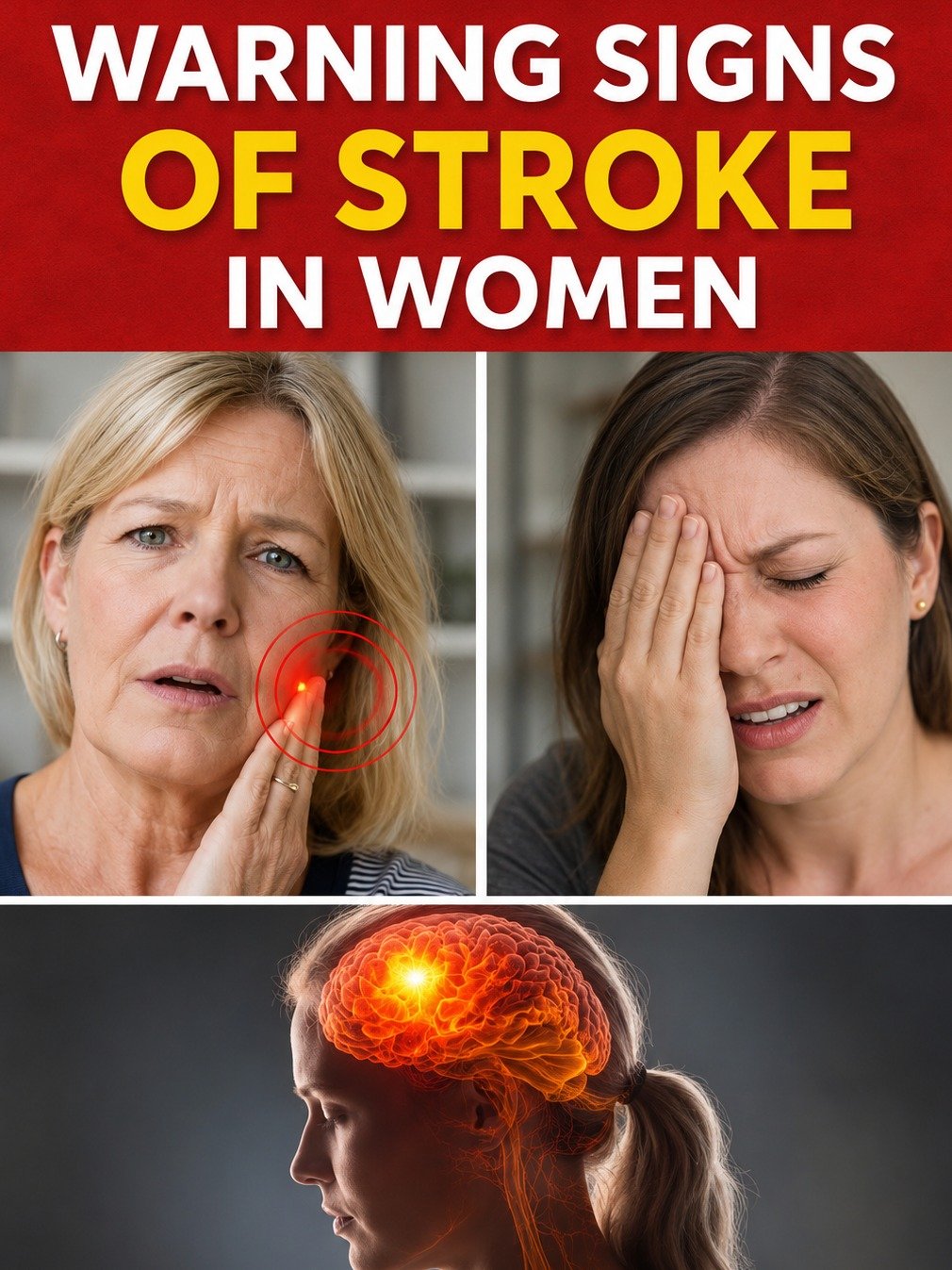
Major Warning Signs of Stroke to Watch For
- A sudden onset of numbness or profound weakness in the face, arm, or leg, particularly if it affects only one side of your body.
- Experiencing significant difficulty speaking or struggling to comprehend what others are saying.
- Feeling disoriented or suddenly confused without any clear reason.
- A sudden loss of balance, coordination, or experiencing trouble walking steadily.
- An abrupt spell of dizziness that comes on without warning.
- Trouble seeing clearly in one or both eyes, such as blurred or double vision.
- A severe, thunderclap headache that appears suddenly and has no identifiable cause.
- Significant difficulty walking or maintaining your gait.
Healthcare professionals widely recommend remembering the simple yet powerful acronym FAST to quickly identify potential stroke symptoms:
- F – Face drooping: Does one side of the face droop or feel numb? Ask the person to smile. Is the smile uneven?
- A – Arm weakness: Is one arm weak or numb? Ask the person to raise both arms. Does one arm drift downward?
- S – Speech difficulty: Is speech slurred? Are they unable to speak, or hard to understand? Ask the person to repeat a simple sentence.
- T – Time to call emergency services: If you observe any of these signs, even if they seem to disappear, call 911 or your local emergency number immediately.
If you or someone nearby exhibits any of these crucial symptoms, securing immediate medical attention is not just recommended, it’s absolutely essential to prevent potentially devastating long-term consequences.
Unmasking the Main Risk Factors for Stroke
While some factors are beyond our control, a significant number of stroke risk factors are either entirely preventable or highly manageable. Gaining a clear understanding of these can be your most powerful tool in drastically reducing your personal chances of ever experiencing a stroke.
High Blood Pressure: The Silent, Leading Threat
Consistently elevated blood pressure stands as the single most critical and prevalent cause of stroke. Over an extended period, high blood pressure severely damages blood vessels, making them far more susceptible to becoming dangerously blocked or rupturing altogether.
Individuals living with uncontrolled hypertension face a significantly heightened risk of suffering from both ischemic strokes (due to clots) and hemorrhagic strokes (due to bleeding).
Smoking and Tobacco Use: A Direct Path to Damage
Smoking, in all its forms, inflicts severe damage on your blood vessels, relentlessly increases your blood pressure, and dramatically boosts the likelihood of dangerous blood clot formation. Even passive exposure to secondhand smoke can significantly elevate an individual’s stroke risk, highlighting the widespread danger.
Diabetes: The Sweetener of Stroke Risk
Persistently high blood sugar levels, a hallmark of diabetes, wreak havoc on delicate blood vessels throughout the body and markedly increase the propensity for harmful clot formation. Consequently, individuals diagnosed with diabetes are statistically far more prone to experiencing strokes when compared to those without the condition.
High Cholesterol: Clogging the Pathways to Your Brain
An overabundance of cholesterol in the bloodstream can lead to the insidious buildup of fatty plaques within your arteries. This buildup narrows these crucial pathways, impeding healthy blood flow to the brain and thereby substantially increasing your overall stroke risk.
Obesity and Physical Inactivity: A Cascade of Dangers
A sedentary lifestyle coupled with excess body weight are major contributors to a range of health issues directly linked to stroke. These include aggravating factors such as high blood pressure, the onset of diabetes, and various forms of heart disease.
Heart Disease and Atrial Fibrillation: The Heart-Brain Connection
Irregular heart rhythms, most notably atrial fibrillation (Afib), present a significant danger as they can cause blood clots to form within the heart, which then travel to the brain. Furthermore, other underlying heart conditions also significantly elevate an individual’s susceptibility to stroke.
Excessive Alcohol Consumption: A Risky Indulgence
Consuming alcohol heavily has been consistently associated with both an earlier onset and increased severity of strokes. Research strongly indicates that excessive drinking may not only heighten the risk of bleeding within the brain but also significantly worsen recovery outcomes following a stroke.
Drug Use: A Potent and Immediate Threat
The use of illicit drugs, such as cocaine and methamphetamine, can cause a dangerous and abrupt spike in blood pressure. This severe physiological response can directly trigger strokes, shockingly even in otherwise healthy younger adults.
Age and Family History: Factors Beyond Your Control
It’s important to acknowledge that certain stroke risk factors are unfortunately beyond our ability to directly control. These inherent factors include:
- The natural process of aging.
- A family history of stroke, indicating a genetic predisposition.
- Having experienced a previous stroke or a mini-stroke (TIA).
- Possessing certain inherited genetic conditions.
While strokes can indeed occur at any point in life, the risk significantly escalates once an individual reaches the age of 55 and continues to increase thereafter.
Empower Yourself: How to Drastically Reduce Stroke Risk
Although it’s impossible to prevent every single stroke, embracing proactive and healthy lifestyle changes can profoundly lower your susceptibility and empower you against this serious condition.
Essential Tips for Stroke Prevention You Can Start Today
- Diligently keep your blood pressure levels within a healthy, controlled range.
- Make the crucial decision to quit smoking and avoid all tobacco products.
- Incorporate regular physical activity and exercise into your daily routine.
- Strive to maintain a healthy body weight appropriate for your height and build.
- Significantly increase your intake of fresh fruits and vegetables.
- Actively reduce your consumption of salt and highly processed foods.
- Moderate your alcohol intake or eliminate it entirely.
- Effectively manage existing conditions like diabetes and high cholesterol with medical guidance.
- Ensure you receive regular health checkups and screenings from your doctor.
Health experts unequivocally stress that proactive prevention, through these mindful choices, represents one of the most potent and effective strategies available in the fight against stroke.
When to Seek Emergency Help: Don’t Wait, Act FAST!
It is paramount that you never, ever dismiss sudden neurological symptoms, even if they appear to resolve themselves quickly. A “mini-stroke” or TIA is not a minor event; it’s a critical warning shot, signaling a very high risk of a much more severe stroke lurking in the near future.
Immediately dial emergency services (like 911) if you, or someone you are with, suddenly experiences any of the following urgent signs:
- Noticeable facial drooping on one side.
- Difficulty speaking, or noticeably slurred speech.
- Sudden, unexplained weakness in an arm or leg.
- Abrupt problems with vision, such as blurriness or loss of sight.
- A sudden, excruciating headache that feels like the worst of your life.
- Sudden confusion or disorientation.
Swift and decisive treatment is the key to preventing irreversible brain damage and, most importantly, can be the difference between life and death.
Final Thoughts: Your Power to Protect
A stroke is undeniably a severe medical emergency, demanding immediate attention. However, it’s crucial to remember that many of its underlying risk factors are well within our control through a combination of healthy lifestyle habits and consistent, proper medical care. Learning to recognize the critical warning signs and acting with lightning speed can truly be the defining factor between a full recovery and a lifetime of debilitating disability.
Empowering yourself with a thorough understanding of stroke symptoms and key risk factors is hands down one of the most effective ways you can safeguard both your own well-being and that of your cherished loved ones from this potentially devastating health crisis.