 By admin
 What if your body was silently sounding an alarm, and you had no idea? High cholesterol, often dubbed the ‘silent killer,’ can stealthily wreak havoc on your health without any obvious symptoms until it’s too late. While cholesterol is vital for bodily functions, excessively high levels of ‘bad’ LDL cholesterol can lead to dangerous fatty deposits in your arteries, dramatically increasing your risk of heart disease and stroke.
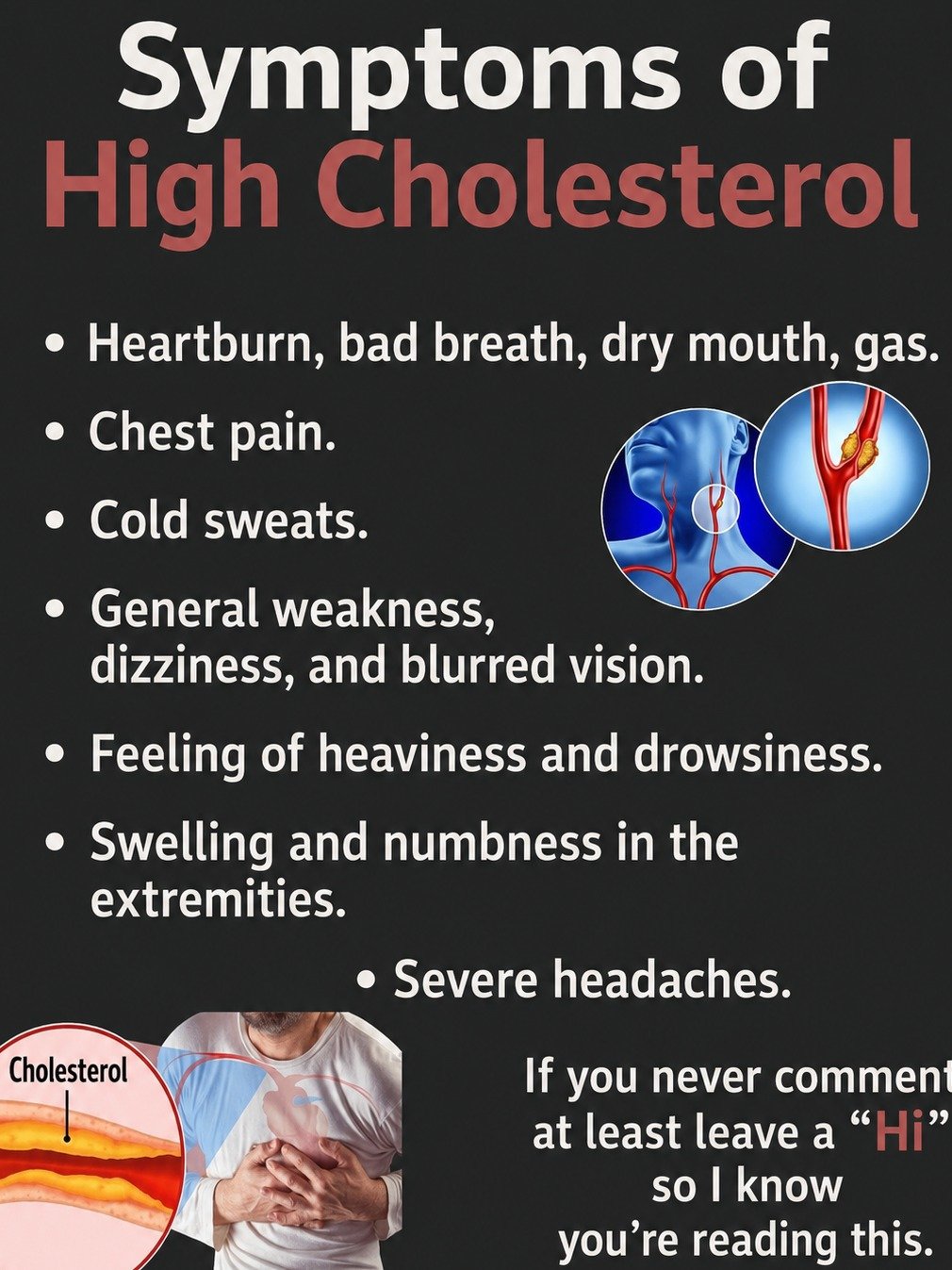
Even though elevated cholesterol typically progresses without a clear symptom, certain subtle warning signs might signal that your cholesterol levels demand immediate attention.
Understanding High Cholesterol
Cholesterol is a waxy, fat-like substance that circulates in your bloodstream, playing a crucial role in building healthy cells, producing hormones, and synthesizing vitamins. However, when cholesterol levels become imbalanced, particularly with an excess, it can begin to accumulate within your blood vessels, leading to narrowed arteries and hindering optimal blood flow.
There are two primary categories of cholesterol:
- LDL cholesterol – Frequently referred to as ‘bad’ cholesterol, this type contributes to the formation of harmful plaque deposits in your arteries.
- HDL cholesterol – Known as ‘good’ cholesterol, its function is to assist in removing excess cholesterol from your bloodstream, preventing buildup.
Elevated levels of triglycerides, another type of fat in the blood, can also significantly heighten your risk of cardiovascular problems.
1. Yellowish Deposits Around the Eyes
One of the more noticeable indicators of high cholesterol can be the appearance of yellowish, soft fatty deposits around your eyelids, medically termed xanthelasma. These distinct plaques are formed by an accumulation of fat just beneath the skin’s surface and often serve as a visual cue for elevated cholesterol levels.
2. A White or Gray Ring Around the Cornea
Observing a gray or white ring encircling the colored part of your eye, known as corneal arcus, can sometimes be associated with high cholesterol, particularly in younger adults. This distinctive ring forms as a result of fat deposits accumulating near the cornea.
3. Chest Pain or Pressure
When cholesterol begins to build up within the arteries, it can impede the vital flow of blood to your heart. This blockage may manifest as discomfort, tightness, or pain in the chest, commonly referred to as angina. Such sensations often become more pronounced during periods of physical exertion or increased stress.
4. Tingling or Numbness in the Legs
Restricted circulation, a direct consequence of narrowed arteries, can significantly reduce blood flow to your lower extremities, including the legs and feet. This impaired blood supply may cause individuals to experience sensations such as numbness, tingling, muscle cramps, or a persistent coldness in their limbs.
5. Fatty Bumps on the Skin
In more severe instances of high cholesterol, distinct yellowish bumps, known as xanthomas, can emerge on the skin, often appearing on areas like the elbows, knees, hands, ankles, or buttocks. These fatty deposits are particularly prevalent in individuals with hereditary cholesterol disorders.
6. Shortness of Breath
Arteries that are blocked or narrowed can significantly impair the delivery of oxygen throughout the entire body. As a result, some individuals may find themselves experiencing unexplained fatigue, a noticeable reduction in their endurance, or even shortness of breath during routine daily activities.
7. Persistent Fatigue
A constant feeling of tiredness can often arise when your body’s circulation becomes less efficient, largely due to the gradual accumulation of plaque within your arteries. While fatigue is a symptom with numerous potential causes, it can sometimes be a subtle companion to underlying cardiovascular issues linked to high cholesterol.
The Hidden Dangers of High Cholesterol
If left unaddressed and unmanaged, high cholesterol can tragically contribute to a range of severe health complications, including:
- Atherosclerosis (hardening of the arteries)
- Heart attack
- Stroke
- Peripheral artery disease
Alarmingly, many individuals only become aware of their high cholesterol status once these serious complications have already begun to develop. This underscores the critical importance of regular blood testing as a preventative measure.
Key Factors Contributing to High Cholesterol
Several elements can significantly influence and elevate your cholesterol levels, including:
- Diets rich in saturated and trans fats
- Insufficient physical activity
- Smoking
- Excessive alcohol consumption
- Obesity
- Diabetes
- Genetic predisposition and family history
Your age also plays a significant role, as cholesterol levels typically tend to increase as you get older.
Strategies to Naturally Lower Cholesterol
Embracing healthy lifestyle habits can be incredibly effective in supporting and improving your cholesterol levels:
Prioritize Heart-Healthy Foods
Incorporate foods such as:
- Oats
- An abundance of fruits and vegetables
- Nuts and seeds
- Olive oil
- Fatty fish, rich in beneficial omega-3s
Consciously limiting your intake of processed foods and trans fats can also significantly contribute to better cholesterol management.
Engage in Regular Exercise
Consistent physical activity is known to help boost your HDL (‘good’) cholesterol levels and enhance overall circulation. Health experts frequently advise aiming for at least 30 minutes of moderate-intensity activity on most days of the week.
Achieve and Maintain a Healthy Weight
Shedding any excess weight can have a profound positive impact, leading to improved cholesterol and triglyceride levels.
Quit Smoking
Smoking is detrimental to your cardiovascular health; it can lower your beneficial HDL cholesterol and cause damage to your blood vessels, substantially increasing your risk of heart disease and stroke.
When to Consult a Doctor
Given that high cholesterol often presents without any noticeable symptoms, a simple blood test remains the most reliable and accurate method to determine your current levels. Healthcare professionals typically recommend routine cholesterol screenings, particularly for adults over the age of 40 or individuals with heightened risk factors such as obesity, diabetes, or a family history of heart disease.
Final Thoughts
High cholesterol is a stealthy condition that can silently inflict damage on your body for many years before any overt problems become apparent. Paying close attention to subtle warning signs like yellowish skin deposits, unexplained chest discomfort, poor circulation, or persistent, unexplained fatigue could be crucial in recognizing when it’s time to seek testing.
When combined with regular medical checkups, a commitment to healthy eating, consistent exercise, and thoughtful lifestyle adjustments, taking early action can dramatically reduce your risk of developing serious cardiovascular disease and safeguard your long-term health.