 By admin
 What if the “natural” skincare remedies you swear by are actually doing more harm than good? Many of us reach for kitchen ingredients, hoping for a quick fix or that coveted “glass skin” glow we’ve seen all over social media. Initially, your skin might feel incredibly soft, refreshed, and even smell wonderfully natural. But then, weeks later, you’re left staring at dryness, redness, or a new sensitivity that seemed to appear out of nowhere.
If this scenario hits close to home, please know that you are absolutely not alone in this experience.
It’s a common trend for women, especially those over forty-five, to turn to homemade skincare solutions. They seem like a natural, budget-friendly, and ostensibly safer alternative to the often-expensive products lining beauty store shelves. However, the reality is far more intricate than it appears. While certain kitchen ingredients might offer temporary relief or a pleasant sensation, many harbor the potential to gradually compromise your skin’s delicate barrier over time. This is particularly true for mature skin, which inherently demands a gentler, more thoughtful approach to care.
Within this comprehensive guide, you’ll uncover the surprising reasons why specific DIY skincare concoctions can unexpectedly backfire, revealing the hidden risks that most individuals overlook. Furthermore, we’ll explore the straightforward daily habits that genuinely contribute to maintaining healthy, luminous skin as you gracefully navigate the aging process.
Understanding Mature Skin: Why Your Skin Changes Over Time
As the years pass, our skin undergoes natural transformations, becoming inherently thinner and more prone to moisture loss. The production of vital collagen begins to decelerate, leading to the emergence of fine lines, and dark spots can become more pronounced. While these changes are a perfectly normal part of life, they can certainly be a source of frustration when your skin no longer responds in the familiar ways it once did.
Driven by a desire for natural alternatives without the hefty price tag, many women seek out immediate solutions through homemade remedies. Social media, in particular, often sensationalizes common kitchen ingredients, portraying them as miraculous elixirs capable of delivering smoother skin in mere days.
Yet, the truth is that mature skin thrives on consistency, robust protection, and a balanced approach—not through harsh or unpredictable combinations of ingredients.
Some DIY ingredients, despite offering an initial soothing sensation, can progressively weaken the skin’s natural protective barrier. This leaves your skin increasingly susceptible to irritation, persistent dryness, and heightened sensitivity, making it more vulnerable than ever before.
Why DIY Skincare Remedies Seem So Appealing
The allure of homemade solutions is incredibly powerful:
- Imagine brighter skin overnight
- Naturally reducing wrinkles
- Achieving “glass skin” without costly products
- Unlocking ancient, homemade beauty secrets passed down through generations
Online videos and influential beauty gurus frequently showcase astonishing before-and-after transformations. What often goes unmentioned, however, are the potential long-term repercussions that can arise from these DIY practices.
Dermatological research consistently underscores a crucial point: the most effective anti-aging strategies are surprisingly straightforward and foundational:
- Consistent daily sun protection
- Gentle and thorough cleansing
- Reliable, consistent hydration
- Actively avoiding known irritants
Regrettably, a significant number of homemade skincare mixtures fall short when it comes to providing stable, enduring support for the skin’s vital barrier.
And this is precisely where the journey to skin problems often begins.
7 Hidden Risks of Homemade Skin Remedies
Risk #7: Temporary Hydration That Leads to Dryness
Consider Maria, a fifty-two-year-old woman hailing from Monterrey, who regularly applied a honey-and-lemon mask. She loved how it initially made her skin feel incredibly smooth and fresh, and her complexion indeed appeared brighter. However, after several weeks of this routine, she started noticing an unwelcome tightness and visible flaking.
Certain ingredients have a temporary ability to draw moisture to the skin, creating an immediate feeling of hydration. Yet, over time, they can inadvertently compromise the skin’s essential protective barrier, leading to a paradox where the skin feels moisturized in the short term but becomes progressively drier and more vulnerable with continued use.
Remember, a quick moment of relief does not always equate to lasting, genuine nourishment for your skin.
Risk #6: Delayed Irritation That Appears Unexpectedly
Lemon is a ubiquitous ingredient in DIY skincare, often chosen for the instant sensation of freshness it provides. However, its inherently high acidity can severely disrupt the skin’s natural pH balance, leading to unintended consequences.
The unfortunate outcome?
- Unwanted redness
- Stinging or burning sensations
- Heightened overall sensitivity
- Irritation from other products that were previously well-tolerated
The insidious danger lies in the fact that this irritation frequently develops gradually, making it incredibly challenging to pinpoint the true culprit behind your skin’s distress.
Risk #5: Coconut Oil May Clog Pores
Many individuals are drawn to coconut oil, cherishing the soft, deeply nourished feeling it imparts to the skin. Rosa, from Guadalajara, embraced coconut oil as a nightly staple in her homemade skincare regimen. Initially, her skin radiated a healthy, glowing appearance.
However, as time progressed, she began to notice the unwelcome appearance of blackheads and breakouts in areas that had never posed a problem before.
It’s crucial to understand that coconut oil is highly comedogenic for many skin types, particularly for mature or combination skin. While it can be beneficial for some individuals, for others, it has a strong tendency to clog pores, potentially worsening skin texture and leading to unwanted blemishes.
Risk #4: Photosensitivity Nobody Talks About
Certain natural ingredients, with lemon being a prime example, possess the unfortunate ability to significantly increase your skin’s sensitivity to harmful ultraviolet (UV) rays.
This means that what you perceive as a natural brightening treatment could, in reality, lead to:
- Permanent dark spots
- Noticeably uneven pigmentation
- Accelerated sun damage
- Long-term skin sensitivity
This risk becomes particularly alarming in sunny climates where exposure to intense UV radiation is a year-round reality.
Given that mature skin is already more inherently vulnerable to environmental damage, prioritizing robust sun protection is not just important—it is absolutely essential.
Risk #3: Unstable Formulas and Inconsistent Results
Professional skincare products are meticulously engineered through rigorous formulation processes, ensuring their stability, effective preservation, and precisely balanced concentrations of active ingredients.
Homemade mixtures, by stark contrast, completely lack these critical controls.
Their effectiveness and safety can fluctuate wildly, depending on a multitude of factors including:
- The freshness of each ingredient
- Suboptimal storage conditions
- Variations in preparation methods
- Inconsistent ingredient concentration
One week, a particular remedy might feel wonderfully soothing, only to cause unexpected irritation the very next week.
This inherent inconsistency often leads to significant frustration and confusion for those attempting to improve their skin.
Risk #2: The Myth of the “Magic Recipe”
Many individuals embark on an endless quest, desperately searching for that elusive miracle mixture capable of erasing wrinkles overnight.
However, truly healthy skin is rarely, if ever, achieved through dramatic, instant shortcuts.
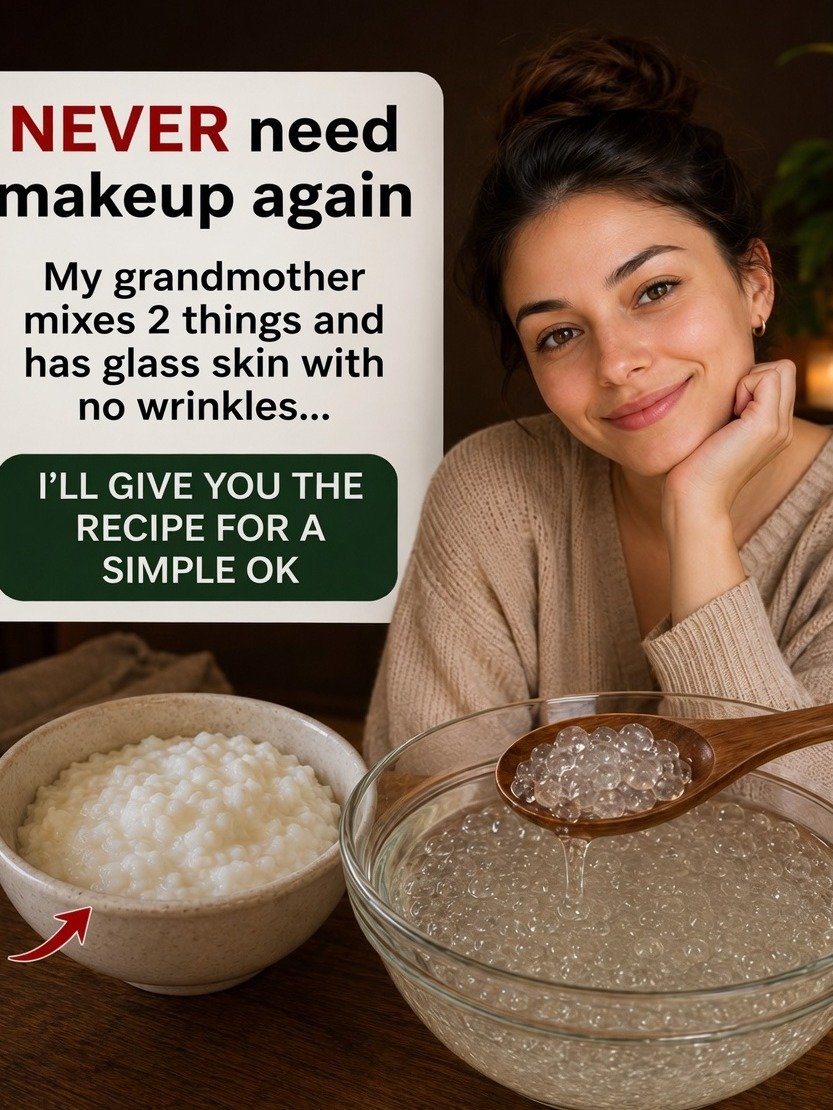
Extensive research consistently demonstrates that daily, consistent habits hold far greater significance than sporadic, ambitious DIY treatments. The true bedrock of healthy, gracefully aging skin is built upon:
- Regular and consistent moisturizing
- Daily application of broad-spectrum sunscreen
- Gentle and effective cleansing
- Prioritizing adequate, restorative sleep
- Maintaining proper hydration throughout the day
- Adopting healthy, nourishing nutrition
Ultimately, simple routines, diligently practiced day in and day out, almost always yield superior results compared to trendy, homemade recipes promising instant transformations.
Risk #1: Losing Confidence When Results Fail
Laura, a forty-eight-year-old from Mexico City, found herself trying countless DIY masks, each time hoping to reclaim her youthful glow. Every unsuccessful attempt, however, left her feeling progressively more disheartened and discouraged about her skin.
Eventually, she made the pivotal decision to simplify her entire routine, opting for a streamlined approach:
- A mild, gentle cleanser
- A reliable daily moisturizer
- Consistent daily sunscreen application
- Consciously improving her sleep habits
Over a period of time, her skin became noticeably calmer, significantly more comfortable, and visibly healthier than before.
The most profound transformation she experienced wasn’t merely physical—it was a powerful emotional shift as well.
Learning to truly understand your skin and treating it with consistent patience and gentle care often leads to far more satisfying and enduring results than constantly chasing after fleeting miracle remedies.
Natural Ingredients That May Support Skin When Used Carefully
It’s important to clarify that not every natural ingredient is inherently harmful. Some can indeed offer temporary comfort and benefits when incorporated into a routine thoughtfully, used sparingly, and with careful consideration.
Aloe Vera
Pure aloe vera gel is widely recognized for its potential to soothe and effectively hydrate irritated skin. Always ensure you’re using a pure formulation and conduct a patch test first to check for any allergic reactions.
Oatmeal
Oatmeal is highly regarded for its ability to calm sensitive skin, significantly reducing discomfort and redness often associated with dryness and irritation.
Honey
Honey can impart temporary softness and deliver a boost of moisture to the skin, though its sticky texture might be a drawback for some, potentially attracting environmental impurities.
Natural Oils
Certain natural oils can play a supportive role in reinforcing the skin’s barrier function. However, selecting the appropriate oil specifically suited to your individual skin type is a critical step for beneficial results.
The overarching principle here is a commitment to moderation and diligent observation of your skin’s responses.
Common DIY Ingredients and Their Potential Effects
| Ingredient | Possible Benefit | Important Precaution |
|---|---|---|
| Aloe Vera | Provides temporary soothing and hydration | Always test for allergies and use only pure gel |
| Honey | Offers softness and a boost of moisture | Can be sticky and may trap dirt or impurities |
| Coconut Oil | Effectively softens very dry skin | High risk of clogging pores, especially for mature or combination skin |
| Lemon | Delivers a fleeting brightening effect | Presents a high risk of skin irritation and increased photosensitivity |
| Oatmeal | Helps to calm and soothe sensitive skin | Requires proper preparation to ensure no residue is left behind |
Daily Habits That Truly Make a Difference
Achieving truly healthy skin is almost always a direct outcome of consistent, thoughtful habits rather than relying on aggressive or extreme treatments.
1. Use a Gentle Cleanser
Make it a priority to avoid harsh, stripping soaps that can aggressively remove your skin’s vital natural oils, compromising its barrier.
2. Moisturize Every Day
Mature skin specifically benefits immensely from consistent hydration, applied both in the morning and again at night, to maintain its suppleness and integrity.
3. Wear Sunscreen Daily
Applying broad-spectrum sunscreen every single day stands as one of the most profoundly effective anti-aging practices readily available to everyone.
4. Stay Hydrated
Ensuring adequate intake of water, along with consuming plenty of fruits and vegetables, provides essential internal support for your skin’s overall health and vitality.
5. Avoid Smoking and Excess Stress
Both smoking and chronic, excessive stress are known to significantly accelerate visible signs of aging and actively weaken the skin’s crucial protective barrier.
6. Prioritize Sleep
Consistently poor sleep patterns are a major contributing factor to a dull complexion, often resulting in tired-looking skin and diminished radiance.
These seemingly simple, yet powerful, habits are the foundation for creating long-term results that homemade mixtures very rarely, if ever, manage to achieve.
How to Safely Test a Homemade Skin Remedy
If, after careful consideration, you still wish to experiment with a natural ingredient, it is paramount to proceed with extreme caution and adhere to strict safety measures.
Follow These Safety Steps Meticulously:
- Apply a very small, dime-sized amount to a discreet area on your forearm.
- Patiently wait a full twenty-four hours to observe any reactions.
- Actively look for any signs of redness, persistent itching, or a burning sensation.
- If no reaction occurs, initially use only a tiny amount on a small section of your face.
- Under no circumstances should you mix multiple aggressive or highly potent ingredients together.
Always remember: mature skin, by its very nature, is considerably more delicate and susceptible to sensitivity.
Safe Usage Guidelines for DIY Skincare
| Aspect | Recommendation | Important Note |
|---|---|---|
| Patch Test | Always test a small amount on your forearm for 24 hours before facial application | Discontinue use immediately if any irritation, redness, or itching appears |
| Frequency | Use DIY remedies moderately, not on a daily basis | Carefully observe and note how your skin reacts after each application |
| Storage | Prepare only small batches and store them properly in a refrigerator | Use homemade mixtures quickly to prevent bacterial growth and contamination |
| Sun Exposure | Strictly avoid photosensitive ingredients, especially during daytime hours | Always, without fail, apply a broad-spectrum sunscreen after using any DIY remedy |
| Professional Advice | Consult a qualified dermatologist or healthcare provider if you have any uncertainties | Remember that DIY remedies are not a substitute for professional medical treatment |
Real-Life Lessons From Women Who Simplified Their Routine
Maria eventually discontinued her lemon mask routine after noticing a significant increase in her skin’s sensitivity. Today, she relies on a simple, gentle moisturizer and consistent daily sunscreen, and as a result, her skin feels remarkably calmer, more balanced, and healthier than ever before.
Laura’s journey led her to the profound realization that patience and unwavering consistency improved her complexion far more effectively than any harsh or unpredictable DIY experiments she had ever attempted.
Their compelling experiences collectively underscore a critical and often overlooked truth:
Truly understanding the unique needs of your skin is infinitely more valuable than blindly chasing fleeting beauty trends.
Smart Tips for Caring for Mature Skin
- Deliberately choose gentle skincare products specifically formulated for mature skin types
- Always introduce any new products into your routine slowly and one at a time
- Consciously avoid the temptation to over-exfoliate, which can damage the skin barrier
- Commit to wearing broad-spectrum sunscreen every single day, without exception
- Pay close attention and truly listen to your skin’s unique reactions and needs
- Practice patience and celebrate gradual, consistent improvements over time
Remember, truly healthy skin is meticulously built through a foundation of steady, diligent habits, not through the promise of instantaneous, overnight transformations.
Final Thoughts: Protect Your Skin With Wisdom, Not Trends
Homemade skincare remedies, while often marketed as “natural” and therefore seemingly harmless, can be misleading. It’s crucial to understand that “natural” does not automatically equate to safe or beneficial for every individual skin type, especially as we age.
Rather than investing your time and hope in the search for miraculous, quick-fix recipes, direct your focus and energy toward practices that are consistently supported by scientific research and endorsed by dermatological experts:
- Consistent daily hydration
- Diligent sun protection
- Gentle and effective cleansing
- Adhering to consistent skincare routines
- Cultivating patience with your skin’s journey
It is these small, consistent daily habits that, over time, reliably create the healthiest and most visibly noticeable improvements to your skin’s appearance and health.
Tonight, take a moment to critically evaluate your current skincare routine. Could there be an ingredient or habit quietly irritating your skin, slowly causing damage without you even realizing it?
Consider initiating one simple, positive change—perhaps committing to applying sunscreen every single morning—and then diligently observe how your skin responds and feels after a few weeks.
Your skin is a precious asset that truly deserves unwavering care, consistent patience, and dedicated protection throughout every stage of your life.
Important Disclaimer
This article is provided for informational purposes only and is not intended to replace professional medical advice. Always consult a qualified healthcare provider or dermatologist for personalized recommendations and guidance based on your specific skin type, individual concerns, and medical history.