 By admin
Imagine a silent enemy lurking within your body, slowly building roadblocks in your arteries without a single warning sign. This isn’t a sci-fi plot; it’s the stark reality of high cholesterol, a global health challenge affecting millions who remain blissfully unaware until a routine check-up delivers a shocking revelation. When these waxy, fat-like substances accumulate excessively, they pave the way for dangerous fatty deposits in your arteries, dramatically escalating your risk of debilitating heart disease, stroke, and other life-threatening cardiovascular complications.
But here’s the empowering truth: you’re not powerless against this invisible threat. The incredible news is that simple yet profound shifts in your daily lifestyle and dietary choices possess the power to dramatically transform your cholesterol profile. By embracing natural, evidence-backed strategies and cultivating healthier habits, countless individuals are successfully fortifying their cardiovascular health and significantly lowering their vulnerability to serious health complications.
Prepare to reclaim control over your heart health. This comprehensive guide will unveil effective natural solutions designed to not only help you skillfully manage your cholesterol levels but also actively foster a robust, healthier heart for years to come.
Understanding Cholesterol and Why It Matters
At its core, cholesterol is a vital, waxy substance present in your blood and within every single cell, performing crucial functions like crafting hormones, synthesizing vitamin D, and aiding digestion. Yet, this essential compound becomes a major health concern when its delicate balance is thrown into disarray.
To truly understand its impact, it’s essential to differentiate between its two primary forms:
LDL (Low-Density Lipoprotein)
Widely dubbed “bad cholesterol,” LDL is the culprit that, when elevated, can dangerously build up on arterial walls, initiating the formation of hard, obstructive plaque.
HDL (High-Density Lipoprotein)
Referred to as “good cholesterol,” HDL acts as your body’s diligent clean-up crew, actively working to transport surplus cholesterol away from your arteries and back to the liver for removal.
A critical imbalance occurs when LDL concentrations soar while beneficial HDL levels plummet, creating a hazardous environment that dramatically escalates your risk of developing cardiovascular disease.
Signs and Risk Factors of High Cholesterol
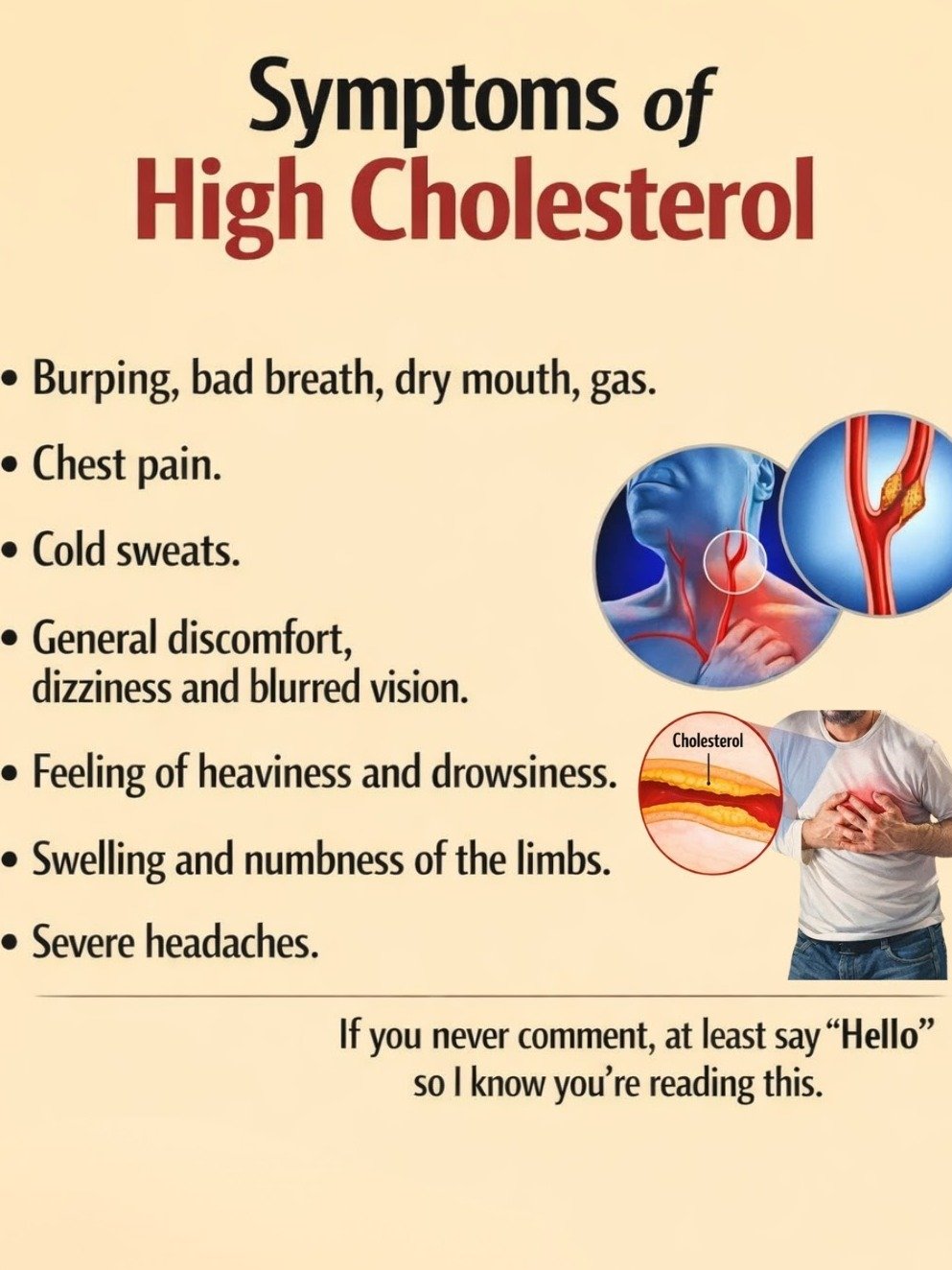
The insidious nature of high cholesterol lies in its silence; it typically progresses without any noticeable symptoms. Nevertheless, a confluence of factors can significantly heighten your susceptibility to this pervasive condition:
-
A diet laden with unhealthy saturated and trans fats
-
Insufficient physical activity or a sedentary lifestyle
-
Carrying excess body weight
-
The detrimental habit of smoking
-
Persistent, unmanaged chronic stress
-
A family history or genetic predisposition
Leading health authorities consistently identify detrimental lifestyle choices as primary drivers behind escalating cholesterol levels in the population.
The encouraging news is that embracing natural, targeted lifestyle modifications can yield exceptionally powerful and positive transformations.
1. Increase Fiber Intake
Unlocking one of nature’s most potent secrets for combating high cholesterol begins with a simple yet powerful dietary shift: significantly boosting your intake of soluble fiber.
These incredible fiber-rich foods act like a sponge in your digestive system, effectively binding to cholesterol and preventing its absorption into your bloodstream, thereby helping to clear it from your body.
To harness this cholesterol-lowering power, incorporate these exceptional sources into your diet:
-
Hearty oats
-
Crisp apples
-
Nutrient-dense lentils
-
Versatile beans
-
Wholesome barley
-
Potent flax seeds
-
Refreshing citrus fruits
For optimal cholesterol management and robust heart health, nutritional experts frequently advise aiming for a daily intake of 25–30 grams of fiber.
2. Eat More Heart-Healthy Fats
It’s a common misconception that all fats are detrimental to your health. On the contrary, making a conscious effort to swap out harmful fats for beneficial, heart-healthy varieties can profoundly rebalance your cholesterol profile.
Embrace these fantastic sources of healthy fats:
-
Extra virgin olive oil
-
Creamy avocados
-
A variety of nuts, including powerhouses like almonds and walnuts
-
Omega-rich fatty fish such as salmon and sardines
Packed with essential fatty acids, these dietary superstars not only bolster overall heart health but also actively contribute to lowering your undesirable LDL cholesterol levels.
3. Stay Physically Active
Integrating consistent physical activity into your routine is an absolutely pivotal step in effectively managing and optimizing your cholesterol levels.
Engaging in regular movement can profoundly benefit your body by helping to:
-
Elevate your beneficial HDL (good cholesterol) levels
-
Reduce your detrimental LDL (bad cholesterol) levels
-
Enhance vital blood circulation throughout your body
-
Support the maintenance of a healthy and stable weight
To reap these remarkable benefits, leading health professionals typically advise accumulating at least 150 minutes of moderate-intensity exercise each week, which can include activities like brisk walking, cycling, or swimming.
Remember, even seemingly minor adjustments to your daily routine, such as committing to regular daily walks, can deliver a profound and lasting positive impact on your overall heart health.
4. Reduce Processed Foods and Trans Fats
Among the most insidious dietary culprits for sabotaging healthy cholesterol levels are trans fats, widely recognized as profoundly detrimental.
You’ll frequently encounter these harmful fats lurking in:
-
Many commercially fried foods
-
A multitude of processed snack items
-
Some types of margarine
-
Various packaged baked goods
These artificial trans fats deliver a double blow to your cardiovascular system: they simultaneously elevate harmful LDL cholesterol and suppress beneficial HDL cholesterol, rendering them exceptionally hazardous to your heart.
Making the conscious decision to prioritize fresh, unprocessed whole foods over their highly processed counterparts is an incredibly straightforward yet immensely effective strategy for superior cholesterol management.
5. Manage Stress and Improve Sleep
The pervasive grip of chronic stress extends its negative influence far beyond mental well-being, significantly impacting numerous facets of your physical health, including your crucial cholesterol levels.
The persistent surge of stress hormones can disrupt delicate metabolic processes and often leads to detrimental lifestyle choices, such as emotional overeating or the development of erratic and insufficient sleep patterns.
To effectively counteract stress and its adverse effects, consider integrating these calming practices into your daily life:
-
Mindful meditation
-
Restorative yoga
-
Calming deep breathing exercises
-
Rejuvenating time spent in nature
Beyond stress management, ensuring you receive adequate, restorative sleep and prioritizing moments of relaxation are equally vital contributors to fostering robust overall cardiovascular health.
6. Quit Smoking and Limit Alcohol
The act of smoking inflicts severe damage upon your delicate blood vessels and dramatically accelerates the perilous accumulation of plaque within your arteries. Furthermore, it actively diminishes the levels of your vital, protective HDL cholesterol.
The decision to quit smoking is one of the single most impactful steps you can take; it rapidly initiates improvements in your cardiovascular health and significantly slashes your risk of developing heart disease.
In a similar vein, indulging in excessive alcohol consumption can lead to an undesirable surge in triglyceride levels and detrimentally upset your overall cholesterol balance. Therefore, practicing moderation is absolutely paramount for maintaining heart health.
Foods That Support Healthy Cholesterol
Incorporating specific foods into your diet can be exceptionally advantageous for actively maintaining and promoting healthy cholesterol levels.
Consider making these highly recommended foods staples in your diet:
-
Wholesome oatmeal
-
Nutrient-packed avocados
-
Heart-friendly almonds and walnuts
-
Fiber-rich beans and lentils
-
Crunchy apples and pears
-
Omega-3 rich fatty fish
-
Pure olive oil
These power-packed foods are brimming with essential fiber, potent antioxidants, and beneficial healthy fats, all working synergistically to champion your cardiovascular wellness.
When to See a Doctor
While embracing natural strategies can offer profound benefits and be remarkably effective, it’s crucial to acknowledge that certain individuals may still necessitate professional medical intervention and treatment.
Should your cholesterol levels persist at elevated ranges even after diligently implementing lifestyle enhancements, your healthcare provider might advise medications or tailor-made specialized treatment plans to safeguard your health.
Consistent blood tests, coupled with expert medical guidance, are absolutely indispensable for meticulously tracking your cholesterol levels and proactively averting potentially serious complications.
Final Thoughts
High cholesterol undoubtedly represents a significant health concern, yet it stands out as one of the most remarkably manageable conditions when addressed through informed and consistent lifestyle choices.
By strategically prioritizing and focusing on key areas such as:
-
Cultivating balanced and nourishing nutrition
-
Engaging in consistent, regular exercise
-
Mastering effective stress management techniques
-
Adopting a suite of healthy daily habits
countless individuals can powerfully bolster their cardiovascular health through natural means and substantially diminish the inherent risks associated with elevated cholesterol.
Remember, the cumulative effect of small, consistent changes can unlock truly powerful and transformative long-term results, benefiting not just your heart health but your entire overall well-being.