 By admin
 What if your body was trying to tell you something critical, but you were missing the signals? For many men, the prostate is a silent alarm, subtly signaling distress long before major problems arise. It’s a harsh truth that early prostate issues frequently go unnoticed because their symptoms creep up slowly, almost imperceptibly. However, slight shifts in your urinary patterns, restless nights, or even a vague sense of discomfort could be urgent pleas for attention from your prostate. As the years pass, especially once you hit the big 4-0, prioritizing prostate health isn’t just important—it’s absolutely essential for your long-term well-being.
What Is the Prostate and Why Does It Matter?
Nestled just beneath the bladder and encircling the urethra, the prostate gland is a small but mighty organ. Its primary function is to contribute to the production of seminal fluid, a vital component for male reproduction. Despite its modest size, this gland holds significant sway over both male reproductive capabilities and overall urinary health.
It’s a natural part of aging for the prostate to gradually increase in size, a common occurrence medically termed benign prostatic hyperplasia (BPH). This expansion can unfortunately exert pressure on the urinary tract, potentially hindering normal urine flow and significantly impacting a man’s comfort and daily quality of life.
Common Signs Your Prostate May Need Attention
Frequent Urination at Night
One of the most telling and often earliest indicators of a potential prostate issue is nocturia—the need to wake up multiple times throughout the night to urinate. This disruptive pattern can severely compromise your sleep quality, leaving you feeling fatigued, reducing your energy levels, and ultimately diminishing your daily productivity and overall vitality.
Weak or Interrupted Urine Flow
Have you noticed your urine stream has become noticeably weaker, or does it unexpectedly stop and start mid-flow? These changes could be critical clues, suggesting that an enlarged prostate is placing undue pressure on your urinary tract, impeding its normal function.
Feeling That the Bladder Never Fully Empties
A persistent and frustrating symptom reported by many men facing prostate challenges is the sensation that their bladder remains full, even immediately after they’ve tried to empty it completely. This feeling of incomplete voiding can be a constant source of discomfort.
Sudden Urgency to Urinate
Experiencing a frequent or intense, sudden urge to urinate, particularly throughout your waking hours, might be a strong signal that your prostate is impacting the normal, healthy function of your bladder. Don’t dismiss this as just “getting older.”
Discomfort or Pressure in the Pelvic Area
While less common than urinary symptoms, some men may experience a dull ache, a feeling of pressure, or general discomfort in the lower abdominal or pelvic region. Any persistent or unusual sensation in this area warrants attention and should not be overlooked.
Why Prostate Problems Increase After 40
The increased prevalence of prostate issues as men enter their middle-aged years and beyond is influenced by a complex interplay of factors. Hormonal shifts, the natural aging process itself, chronic inflammation, and various lifestyle choices all contribute to the gradual enlargement of the prostate over time. Leading health experts consistently highlight that prostate-related conditions become significantly more prevalent and require closer monitoring in men aged 40 and older.
Several key risk factors can further increase your susceptibility, including:
- The inevitable process of aging
- A sedentary lifestyle or lack of consistent physical activity
- Suboptimal dietary choices
- Being overweight or obese
- A genetic predisposition or family history of prostate conditions
- Unmanaged or chronic stress
Lifestyle Habits That Support Prostate Health
The good news is that by making conscious improvements to your daily routines and habits, you can proactively support healthy prostate function and potentially alleviate or reduce associated discomfort. Small changes can lead to significant benefits.
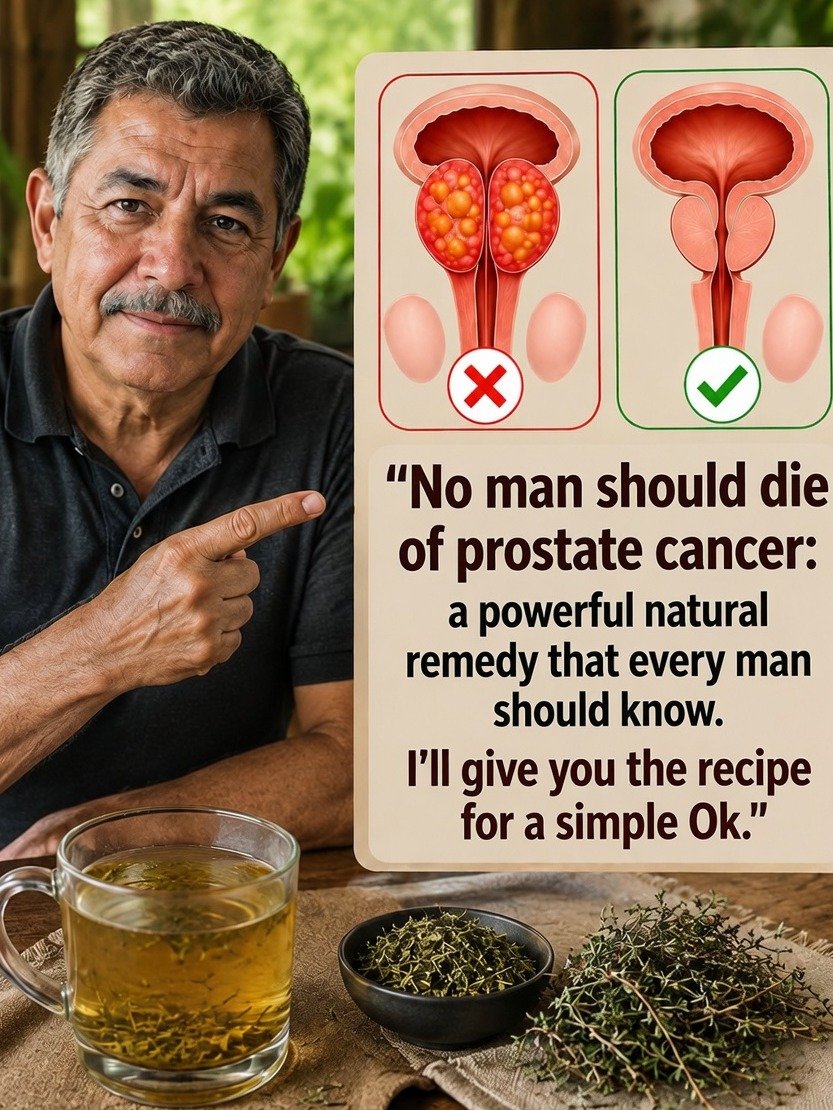
Eat a Balanced Diet
Incorporating a diet rich in potent antioxidants, an abundance of fresh vegetables, specific foods like tomatoes (known for lycopene), nutrient-dense pumpkin seeds, and sources of healthy fats can play a crucial role in promoting overall prostate wellness and resilience.
Stay Physically Active
Engaging in regular physical exercise isn’t just good for your heart; it significantly boosts circulation, helps maintain optimal hormone balance, and can directly improve urinary function, all of which are beneficial for prostate health.
Reduce Alcohol and Excess Caffeine
Be mindful of your intake of certain beverages. Both alcohol and excessive caffeine can act as bladder irritants, potentially exacerbating symptoms like increased urinary frequency and urgency, making prostate issues feel worse.
Stay Hydrated
While drinking sufficient water throughout the day is essential for overall health, a strategic approach to hydration involves being mindful of fluid intake, especially avoiding excessive amounts right before bedtime. This simple adjustment can often help in reducing those disruptive nighttime bathroom visits.
Schedule Regular Checkups
Once you cross the age of 40, consistent and routine medical screenings become increasingly vital. Early detection of any prostate-related concerns is paramount, as it can significantly aid in preventing potential complications and dramatically improve your long-term health outcomes.
Natural Ingredients Commonly Used for Prostate Support
For those seeking complementary approaches, several natural compounds have garnered recognition for their potential role in supporting prostate health. These often include:
- Saw palmetto
- Zinc
- Pumpkin seed extract
- Beta-sitosterol
- Pygeum africanum
It’s common to find these well-known botanical and mineral ingredients formulated into men’s wellness supplements specifically designed to offer comprehensive urinary and prostate support.
When Should You See a Doctor?
While many prostate symptoms can be managed with lifestyle changes, it’s absolutely crucial to consult a healthcare professional without delay if you begin to experience any of the following concerning symptoms:
- Any presence of blood in your urine
- Experiencing pain or burning during urination
- Significant or severe difficulty with urination
- Persistent or worsening pelvic pain
- A sudden and noticeable worsening of existing symptoms
Procrastinating or choosing to ignore these critical symptoms can unfortunately allow underlying prostate conditions to advance and potentially become more serious over time, making early intervention key.
Final Thoughts
Your body possesses an incredible ability to communicate, often sending subtle warning signals long before a minor health concern escalates into something more severe. By actively listening to these cues—paying close attention to changes in your urinary habits, the quality of your sleep, and any discomfort in your pelvic region—you empower yourself to take proactive steps early on, safeguarding your long-term health and well-being.
Committing to maintaining optimal prostate health through a combination of healthy lifestyle choices, consistent physical activity, and regular medical checkups can profoundly impact your quality of life as you age. Addressing potential issues today, rather than putting them off, is your best strategy for preventing more significant problems from emerging tomorrow.