 By admin
 Imagine waking up without that familiar ache in your knees, effortlessly climbing stairs, or enjoying your favorite activities without a second thought. For countless adults globally, knee pain is a daily reality, often traced back to the silent erosion of cartilage – a natural process that unfortunately accelerates with age, injuries, excess weight, and unhealthy lifestyle choices.
Sadly, a maze of misinformation surrounds knee cartilage regeneration and overall joint health. Cutting through these myths to grasp the genuine culprits behind cartilage damage and embracing habits that actively foster robust knees is paramount to preventing debilitating long-term joint issues.
What Is Knee Cartilage?
Deep within your knee joint lies cartilage, a remarkably smooth and pliable tissue that acts as a protective cushion, encasing the ends of your bones. Its vital role is to minimize friction and effectively absorb the shock and impact generated with every movement you make.
When this cartilage is in optimal condition, it enables your knees to glide effortlessly, supporting fluid motion whether you’re walking, running, bending down, or ascending a flight of stairs.
However, once cartilage begins to suffer damage or wears away, the protective barrier diminishes, potentially causing bones to grind together. This painful friction often results in persistent discomfort, stiffness, noticeable swelling, and a significant reduction in overall mobility.
Common Causes of Knee Cartilage Damage
Over an extended period, a combination of various factors can significantly contribute to the gradual deterioration of this crucial joint tissue.
Aging
With each passing year, our bodies experience natural changes, and cartilage is no exception. It progressively loses its inherent elasticity and vital hydration, rendering it increasingly susceptible to degenerative processes.
Excess Body Weight
Carrying additional body weight exerts immense, continuous pressure on your knee joints, dramatically speeding up the rate at which your precious cartilage wears down.
Sports Injuries
Engaging in high-impact sports, performing repetitive motions over time, or experiencing prior traumatic injuries can all substantially elevate your susceptibility to cartilage damage within the knee.
Sedentary Lifestyle
A lack of physical activity often leads to weakened muscles surrounding the knees, which in turn compromises joint stability and places undue, heightened stress directly onto the cartilage.
Poor Posture and Movement Habits
Habitual incorrect walking gaits or the consistent use of improper techniques during exercise routines can gradually impose excessive strain on your knees, leading to long-term issues.
Common Symptoms of Cartilage Problems
If you’re grappling with problems related to knee cartilage, you might commonly encounter symptoms such as:
- Persistent knee pain, especially during movement
- Noticeable stiffness, particularly after periods of rest
- Visible swelling or tenderness around the joint
- Audible cracking, popping, or grinding sensations
- Significant difficulty or discomfort when climbing stairs
- A noticeable reduction in overall flexibility and range of motion
Should these symptoms persist or worsen, it’s absolutely crucial to seek a thorough evaluation from a qualified healthcare professional.
Myths About Knee Cartilage You Should Stop Believing
Myth 1: Cartilage Damage Only Happens to Older Adults
While it’s true that aging plays a significant role in cartilage deterioration, it’s a dangerous misconception to believe that only older adults are affected. Younger individuals are equally susceptible to cartilage injuries, often stemming from intense sports activities, the pressures of obesity, or chronic repetitive stress.
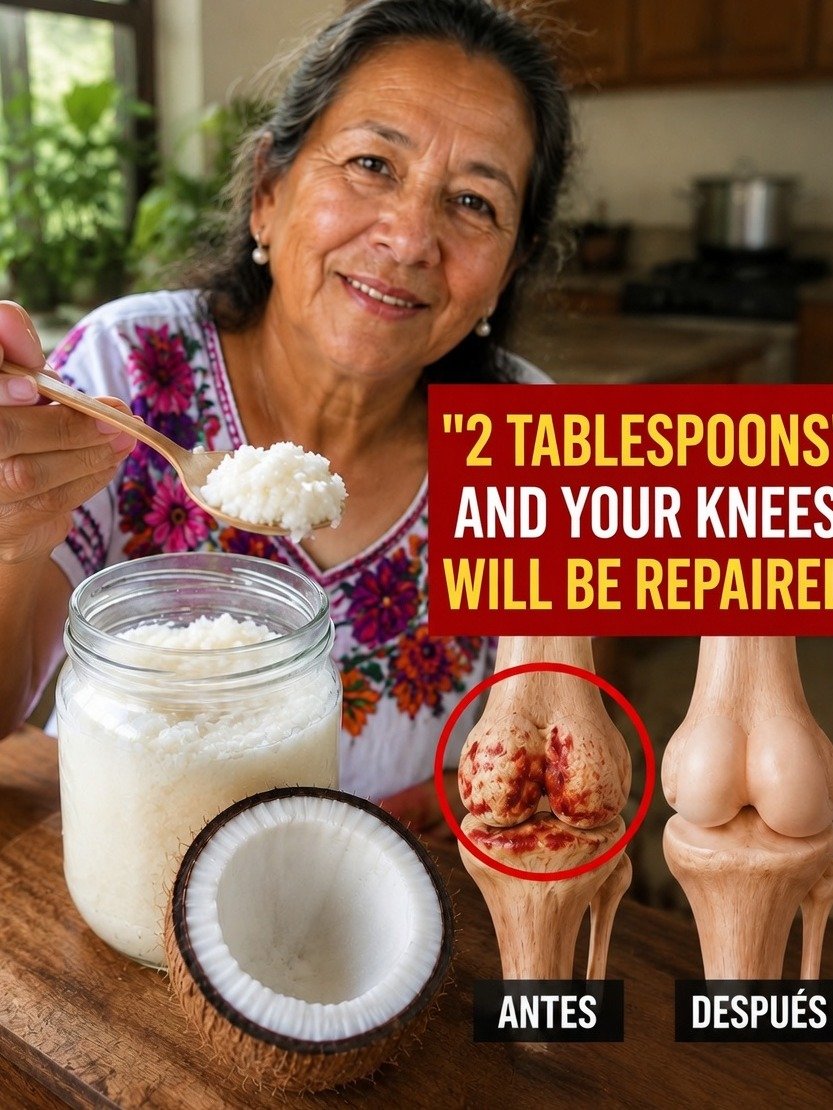
Myth 2: Rest Alone Can Fully Repair Cartilage
While a period of rest can certainly offer temporary relief by reducing acute inflammation, relying solely on it for complete cartilage repair is a myth. Achieving genuine, lasting joint health typically demands a comprehensive approach, including targeted physical therapy, appropriate exercise, and fundamental lifestyle enhancements.
Myth 3: Supplements Can Instantly Regenerate Cartilage
The market is flooded with products boldly claiming to ‘instantly regenerate’ or ‘quickly rebuild’ cartilage. However, a critical look at scientific evidence reveals a much more nuanced and often mixed picture. While certain supplements might contribute to joint comfort for some, it’s vital to understand they are far from miracle cures for actual cartilage regeneration.
Myth 4: Exercise Is Bad for Knee Pain
Contrary to popular belief, the notion that all exercise is detrimental for knee pain is a harmful myth. In reality, carefully selected low-impact exercises are among the most effective strategies to strengthen vital surrounding muscles, enhance flexibility, and crucially, bolster overall joint stability.
Best Habits to Protect Knee Cartilage Naturally
Maintain a Healthy Weight
Successfully shedding any excess body weight is one of the most impactful steps you can take. This significantly lessens the immense pressure exerted on your knees, which in turn can dramatically slow down the rate of cartilage degeneration.
Stay Physically Active
Regularly engaging in gentle, joint-friendly activities like walking, swimming, cycling, and stretching is fundamental. These practices are instrumental in preserving optimal joint mobility and building essential muscle strength around your knees.
Strengthen Leg Muscles
Developing robust quadriceps and hamstring muscles is key. These powerful leg muscles act as natural stabilizers for the knee joint, effectively reducing the overall stress placed on your cartilage.
Follow an Anti-Inflammatory Diet
Adopting a diet rich in anti-inflammatory foods can work wonders for your joints. Prioritize items packed with omega-3 fatty acids, a vibrant array of vegetables and fruits, wholesome nuts, and powerful antioxidants to foster superior overall joint health.
Avoid Excessive High-Impact Movements
While activity is good, it’s crucial to be mindful of excessive high-impact movements. Overtraining, particularly through repetitive jumping or jarring activities without adequate recovery, can significantly accelerate cartilage wear and tear.
Nutrients Commonly Associated With Joint Support
Several key nutrients and beneficial compounds are frequently cited for their potential role in supporting robust joint health, including:
- Collagen
- Glucosamine
- Chondroitin
- Omega-3 fatty acids
- Vitamin D
- Turmeric extract
It’s important to remember that while these compounds may offer support for joint wellness in certain individuals, always consult with a healthcare professional or doctor before incorporating any new supplements into your regimen.
When Should You See a Doctor?
It’s imperative to seek prompt medical evaluation from a professional if you begin to experience any of the following concerning symptoms:
- Persistent knee pain
- Swelling that does not improve
- Joint instability
- Difficulty walking
- Limited movement
- Sudden locking of the knee
Timely diagnosis is critical, as it can significantly aid in slowing the progression of cartilage issues and markedly improve the effectiveness of subsequent treatment outcomes.
Final Thoughts
The cartilage in your knees is undeniably a cornerstone of your mobility, flexibility, and overall daily comfort. While it’s true that cartilage undergoes natural transformations as we age, adopting and consistently practicing healthy habits can serve as a powerful shield, protecting your precious joints and drastically reducing the likelihood of developing serious long-term issues.
Ultimately, the path to healthier knees and an enhanced quality of life hinges on several crucial steps: debunking widespread myths, committing to an active lifestyle, diligently maintaining a healthy body weight, and proactively seeking expert professional care whenever concerning symptoms arise.