 By admin
You’ve seen the viral hacks, the glowing testimonials, and the promise of flawless skin using just a simple pantry staple: baking soda (also known as sodium bicarbonate). This common kitchen ingredient has gained immense popularity in DIY facial skincare routines, with enthusiasts claiming it can exfoliate, unclog pores, and even tackle acne or brighten your complexion. But before you rush to mix up that homemade face mask, it’s absolutely crucial to understand how this substance truly interacts with your skin and the safest ways to approach its use.
🌿 Understanding Baking Soda: What Exactly Is It?
At its core, baking soda is a familiar white crystalline powder, scientifically known as sodium bicarbonate. This versatile compound possesses a slightly alkaline nature, indicating a pH level higher than that of healthy skin. Its presence extends far beyond the kitchen, being a key ingredient in numerous household items, from culinary creations to effective cleaning solutions.
Crucially, your facial skin maintains a naturally slightly acidic pH, typically ranging from 4.5 to 5.5. This delicate acidity is vital for establishing a robust protective barrier, defending against harmful bacteria and environmental aggressors. Introducing an alkaline substance like baking soda to your skin can temporarily elevate its pH level, potentially compromising this essential protective layer and leaving your skin vulnerable.
✨ The Alluring (But Potentially Misleading) Benefits of Baking Soda for Skin
Despite expert warnings, many individuals continue to incorporate baking soda into their DIY skincare regimens, often citing these perceived advantages:
1. Exfoliation:
Its finely granulated consistency offers a physical exfoliation, believed to slough away dead skin cells and surface impurities. This action can temporarily leave the skin feeling smoother and looking refreshed.
2. Oil Removal:
Baking soda is thought to possess oil-absorbing properties, which leads some to believe it can effectively manage excess sebum on the face, particularly for those with oily or blemish-prone skin types.
3. Budget-Friendly:
Undeniably, one of its biggest draws is its accessibility and low cost, making it an attractive alternative to often expensive, commercially produced skincare solutions.
⚠️ The Hidden Dangers: Risks & Downsides of Using Baking Soda on Your Face
Despite the perceived benefits, the overwhelming consensus among skincare experts and dermatologists is to strongly advise against regular use of baking soda on your delicate facial skin. Here’s why:
💧 Severe pH Imbalance:
Due to its highly alkaline nature, baking soda can aggressively strip away your skin’s vital natural oils and severely disrupt its protective acid mantle. This disturbance often results in significant irritation, excessive dryness, and compromised skin health.
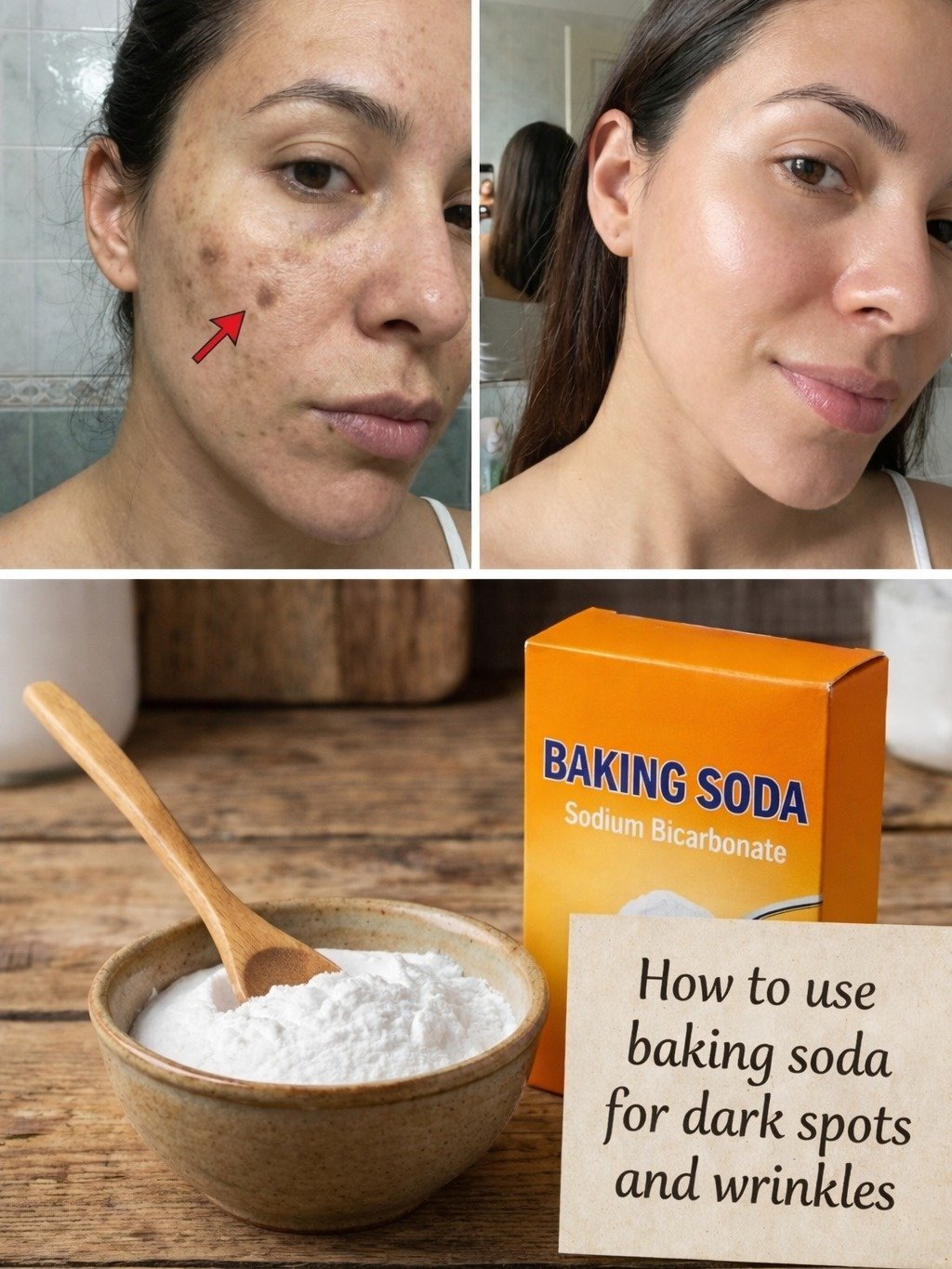
🔥 High Risk of Irritation & Damage:
Many individuals, particularly those with sensitive, dry, or compromised skin, may experience adverse reactions such as persistent redness, a burning sensation, increased inflammation, and even a worsening of existing breakouts. It’s a harsh abrasive that can cause micro-tears.
📉 Lack of Scientific Efficacy for Acne or Brightening:
Crucially, there is a distinct lack of robust scientific evidence to support claims that baking soda effectively treats acne or significantly brightens dark spots. Any temporary cosmetic improvement observed is unlikely to be a therapeutic benefit and may even mask underlying issues.
🧴 Proceed With Extreme Caution: How to Use Baking Soda Safely (If You Absolutely Must Try It)
Despite the significant risks and expert advice, if you are still determined to experiment with baking soda in your skincare routine, it is imperative to follow these highly cautious steps to minimize potential harm:
✔ Always Perform a Patch Test First:
Before applying it to your entire face, create a diluted mixture of baking soda and water (approximately a 1:3 ratio). Apply this small amount to an inconspicuous area, such as behind your ear or along your jawline. Observe the area for a full 24 hours to detect any signs of irritation, redness, or adverse reactions.
✔ Use Very Infrequently:
Under no circumstances should baking soda be applied daily. Limit its usage to a maximum of once every 1–2 weeks to significantly reduce the potential for damage to your skin’s delicate barrier and to avoid chronic irritation.
✔ Combine With Gentle, Soothing Ingredients:
Never use plain baking soda directly on your skin. Instead, always combine it with mild, soothing liquids like pure aloe vera gel or calming rose water. This dilution helps to temper its harshness, though it doesn’t eliminate all risks.
✔ Immediately Follow With a Rich Moisturizer:
After a brief application, rinse your face thoroughly and completely to remove all traces of baking soda. Immediately follow up with a high-quality, hydrating moisturizer to help replenish lost moisture and support your skin’s barrier function.
🧠 The Definitive Verdict: Is Baking Soda Worth the Risk?
While baking soda may offer superficial benefits like mild exfoliation and temporary oil reduction, these come with significant and often irreversible risks, especially when applied incorrectly or too frequently to the delicate facial skin. It is unequivocally not suitable for daily cleansing, and the vast majority of dermatologists strongly advocate for gentler, scientifically validated skincare ingredients over unproven, DIY baking soda concoctions.
Should you still choose to proceed with caution and experiment, remember to use it extremely sparingly and with the utmost care. However, for genuinely healthy and happy skin, prioritizing safer, evidence-based alternatives should always be your first and best option.